How Much Do Dental Implants Cost, and What Types Are Available?

Dr. Deepika Verma
Dr. Deepika Verma is a dentist serving the DFW, TX community. A graduate of New York University with a residency at New York Hospital Queens, she is a member of the American Dental Association and is passionate about patient-first, lifelong dental health.
Connect with Dr. Deepika Verma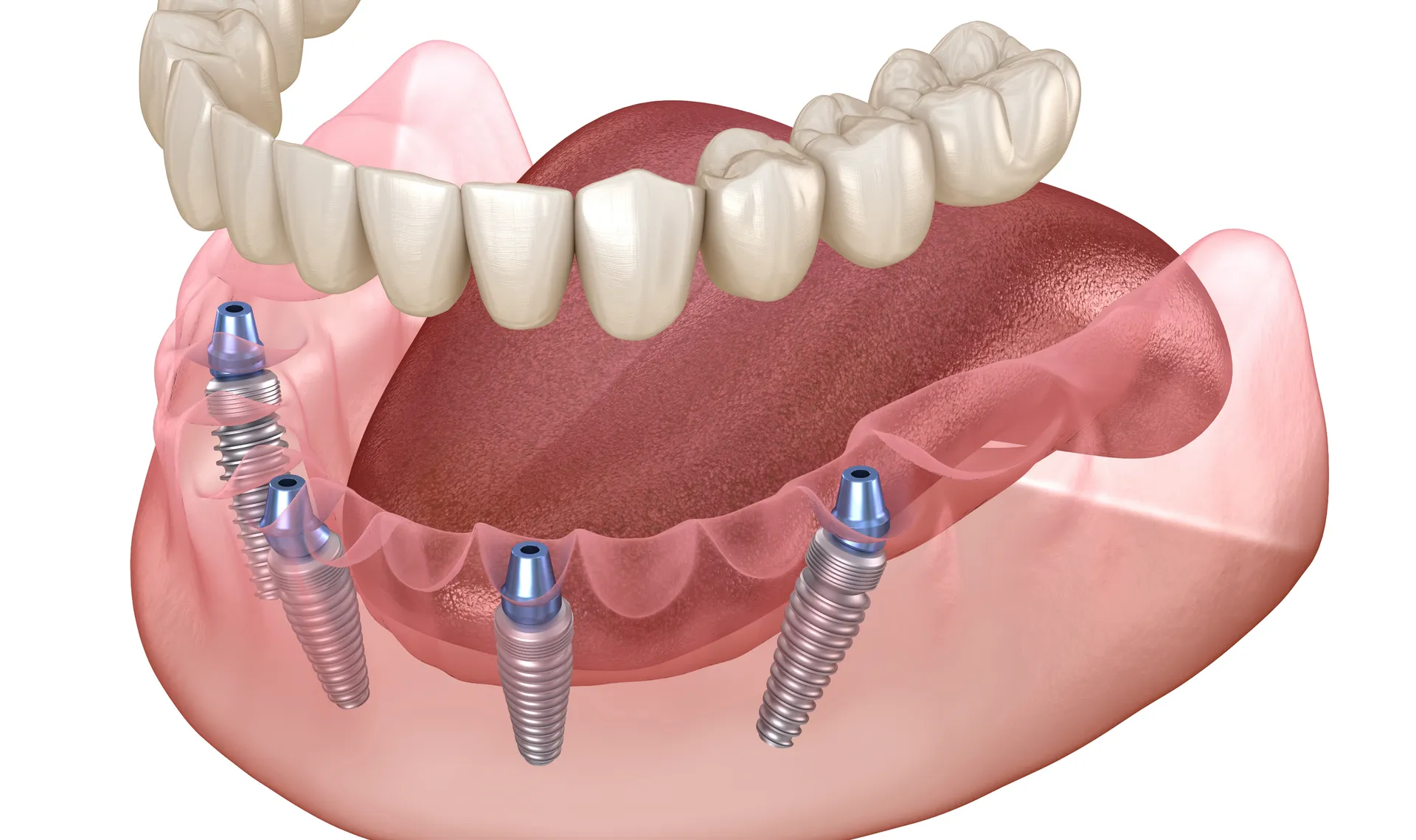
Dental implants cost $3,000 to $6,000 for a single tooth and $18,000 to $35,000 for a full arch, based on 2026 fee data compiled from ADA and FAIR Health figures. Three implant types cover nearly every case: endosteal posts set in the jawbone, subperiosteal frames that rest on it, and zygomatic implants anchored in the cheekbone.
The number on a treatment plan is really a stack of smaller fees, and the type of implant you need decides which fees apply. Both halves of that equation are broken down below.
At Spark Dental in North Richland Hills, Dr. Deepika Verma gives every patient a written implant estimate before treatment begins: call (817) 962-7072 or request an appointment online.
How Much Do Dental Implants Cost in 2026?
A complete single-tooth implant, covering the post, abutment and crown, runs
$2,800 to $5,600 with an average around $3,700 on Delta Dental's figures, while CareCredit's April 2026 data puts an implant-supported bridge near $5,200 and an All-on-4 arch at an average of $15,176. Zirconia restorations, premium labs and big-city fee schedules push each figure toward the top of its range.
Those fees buy an unusually predictable result. A
retrospective analysis of more than 50,000 implants placed between 2011 and 2022 recorded survival rates above 98% whether the post went in immediately after extraction or into a healed site.
Insurance rarely carries the whole load. Plans that cover implants typically pay around 50% up to an annual maximum of $1,000 to $2,500, and some exclude the post entirely while still covering the crown, so the policy fine print matters as much as the fee schedule.
Where and by whom the post is placed moves the number too. Chacon Orthodontics' 2026 budgeting data shows implant-post fees averaging $2,730 in California against $1,790 in Alabama, and a case handled by an oral surgeon or periodontist is usually quoted above the same case placed by a general dentist. Local, itemized quotes beat national averages every time.
If you are still weighing an implant against other treatments, our guide to how implants compare with bridges and dentures on cost and lifespan walks through the long-term math.
What Your Implant Fee Actually Pays For
An implant quote is a stack of five or six line items, and knowing each one lets you compare estimates fairly instead of chasing a headline number. The table below shows the typical 2026 fee behind each stage.
| Cost item | Typical 2026 fee (USD) | When it applies |
|---|---|---|
| Complete single-tooth package | $2,800 – $5,600 | The benchmark: post, abutment and crown combined |
| Implant post and surgical placement | $1,000 – $3,000 | Every case; the titanium or zirconia root itself |
| Abutment (connector) | $400 – $1,000 | Every case; joins the post to the crown |
| Crown | $800 – $3,000 | Every case; material choice drives the spread |
| Tooth extraction | $250 – $300 | Only when a failing tooth must come out first |
| Bone grafting | $700 – $900 | Only when the jaw has shrunk after long-term tooth loss |
Fee ranges are compiled from 2026 cost guides by Minot Dental Partners andChacon Orthodontics; complex grafts and sedation can sit above these bands.
Two lessons fall straight out of the table. Ask every provider for an itemized quote, because a low headline price sometimes leaves the abutment or crown off the page. And replace a missing tooth sooner rather than later, since the bone-graft line only appears when the jaw has been left without a tooth root for years.
The lines also age differently. The post is built to stay in your jaw for the long haul, while the crown on top typically serves 10 to 15 years before it needs replacing, so budget for the crown as a renewable part rather than a one-time purchase.
The Types of Dental Implants, Explained
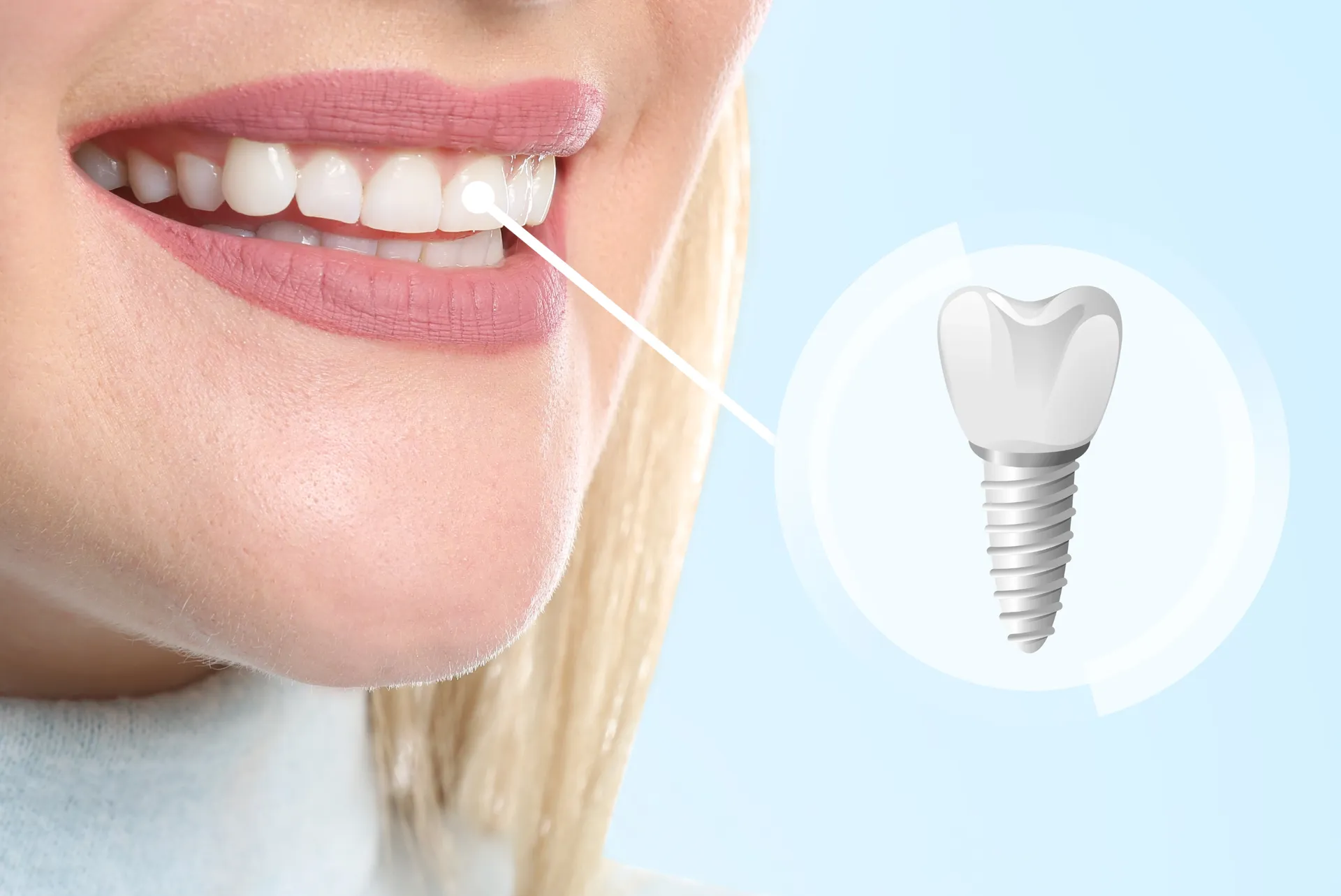
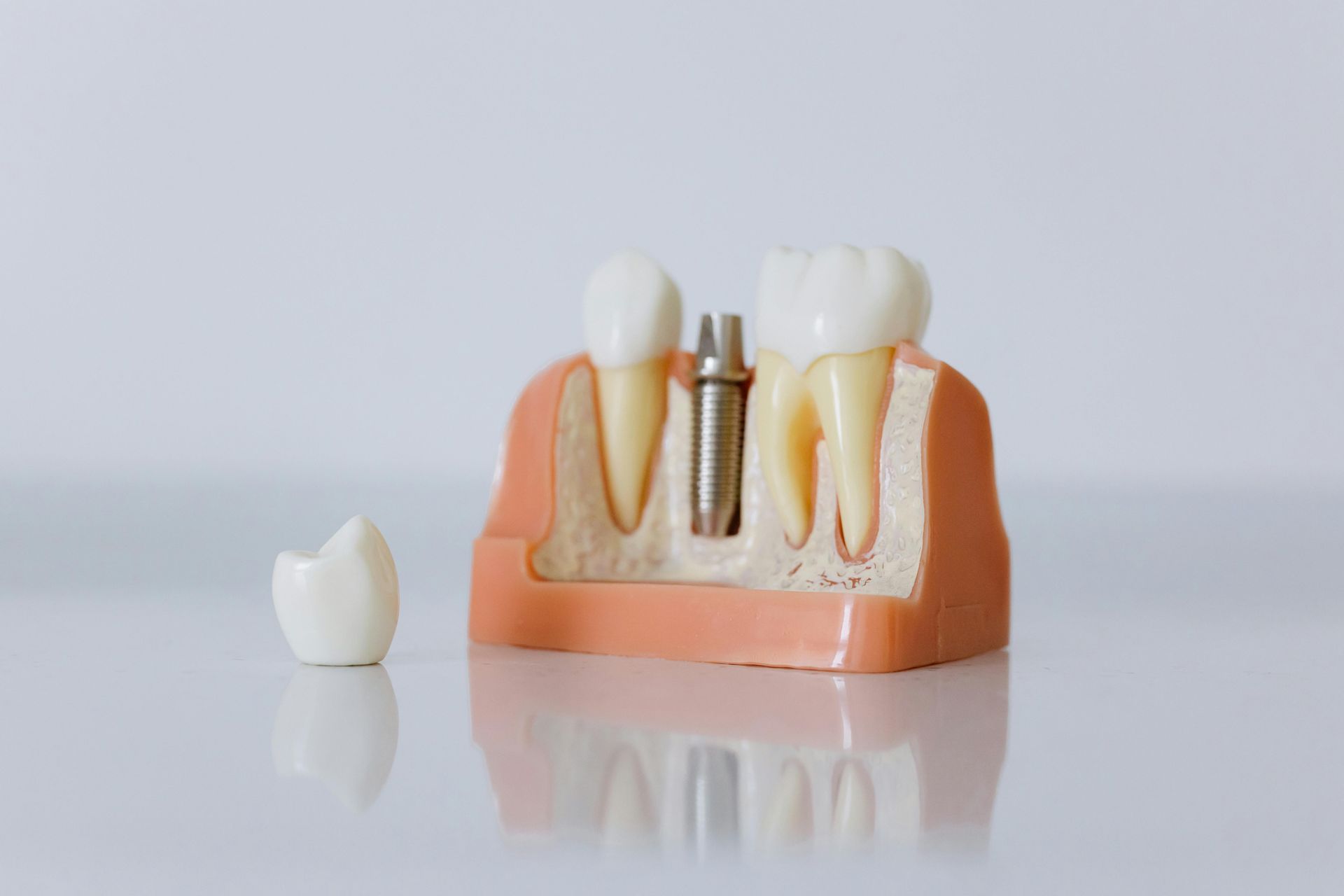
Nearly every implant placed today is endosteal: a screw-shaped post set directly in the jawbone, cleared by the FDA as a medical device and restored with a crown once it fuses to the bone. Two alternatives exist for the small minority of patients whose jaws cannot hold one.
Subperiosteal implants rest on the bone under the gum, and zygomatic implants anchor into the cheekbone when the upper jaw has lost too much height; both are specialist procedures priced well above standard posts.
What changes cost far more than placement category is configuration, meaning how many posts carry how many teeth.
A single implant replaces one tooth with one post. An implant-supported bridge lets two posts carry three or four connected teeth, which is why it costs less per tooth than placing an implant in every gap. An implant-retained denture snaps onto two to four posts and stops the slipping that plagues traditional plates. And a full-arch system such asAll-on-4 implants fixes a complete row of teeth on four angled posts, replacing the most teeth per implant of any option.
Material is the final fork. Titanium remains the standard for strength and decades of clinical history, while metal-free zirconia suits patients with sensitivities and carries a higher lab fee. Mini implants, narrower versions of the standard post, cost less and mainly serve to stabilize dentures rather than hold single crowns.
Timelines vary by type as well. A standard endosteal post needs three to six months to fuse with the bone before the final crown goes on, while qualifying full-arch cases can leave the same day with a fixed provisional set of teeth when the posts achieve enough stability at placement. Not every jaw qualifies for same-day teeth, which is one more reason the plan starts with imaging.
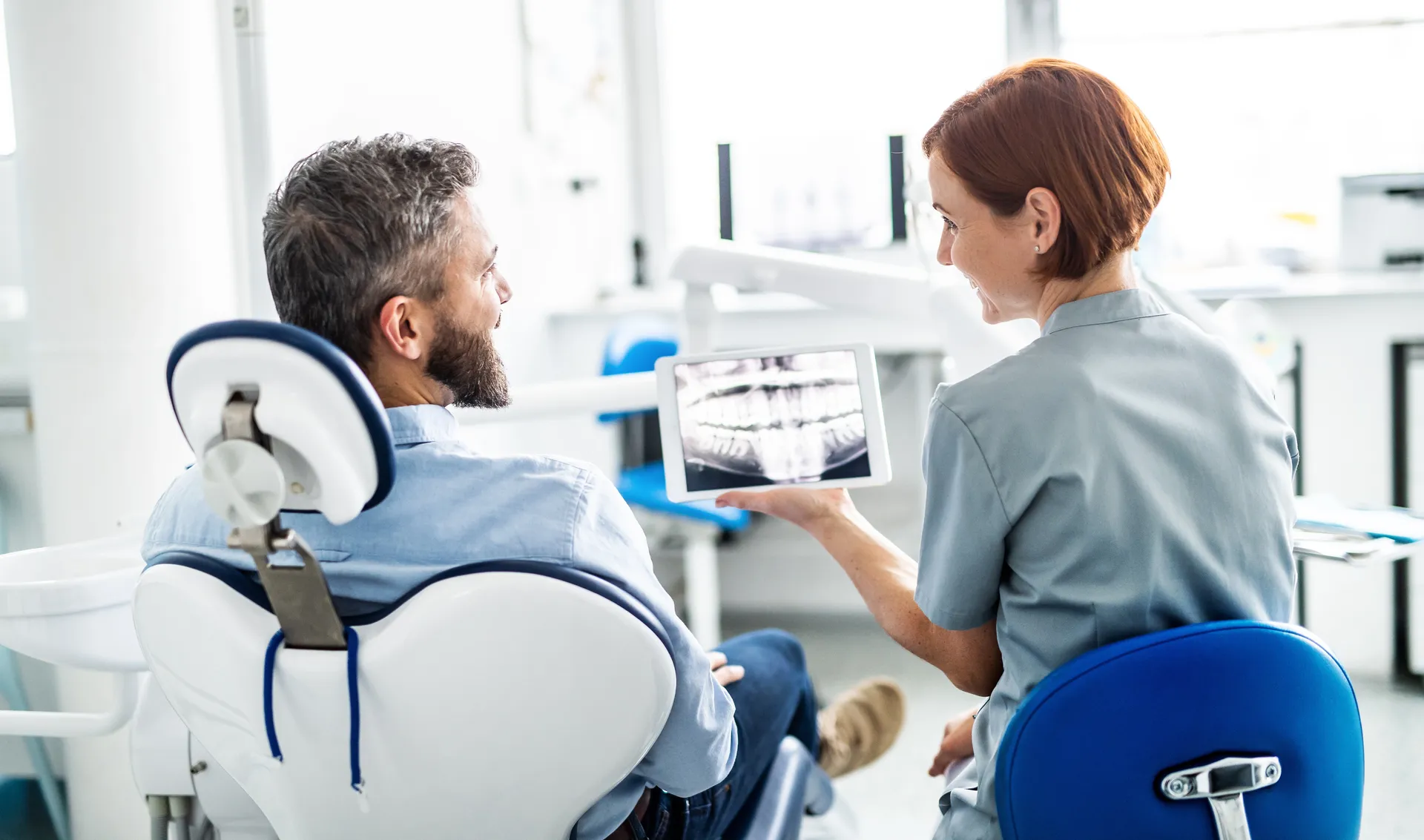
Only an exam with 3D imaging confirms which type and configuration fits your jaw, which is where dental implant treatment planning starts.
How to Make Dental Implants More Affordable
Affordable dental implants come from smart sequencing, not from shopping for the lowest sticker price. Five levers reliably bring the out-of-pocket figure down.
Pick the configuration that matches the gap, since two posts carrying a bridge cost thousands less than three separate implants. Split treatment across two insurance plan years so the surgical phase and the crown each draw on a fresh annual maximum. Pay through an HSA or FSA, because implants that restore function generally qualify as medical expenses under IRS rules once your plan administrator confirms it.
Ask about phased treatment, where the post integrates now and the final crown follows when the budget allows. And use financing rather than delay, since waiting years often adds a bone graft to the bill; our financial options page explains what we accept.
One caution keeps the savings honest. An affordable quote should still itemize the implant brand, include 3D imaging, and name who places the post, because a fee that omits those details usually grows after you commit.
Implant Costs and Care at Spark Dental
Spark Dental provides single implants, All-on-4, bridges and dentures under one roof, so your quote and your treatment come from the same team instead of being split across offices. Dr. Deepika Verma plans every case with digital X-rays and intraoral scanning, which makes the estimate you sign the estimate you pay.
Our front office verifies your insurance benefits before treatment and pairs whatever your policy covers with payment plans that spread the remaining cost. Nervous about the surgery itself? Our team explains every step before it happens and treats you like family rather than a case number, which is exactly how we approach implant visits for anxious patients.
Families reach us from North Richland Hills, Richland Hills, Hurst, Bedford, Haltom City, Watauga, Colleyville and Fort Worth, and at Spark Dental the first step is always a conversation about your goals, not a sales pitch.
Common Questions About Dental Implant Costs and Types
These five questions come up in almost every implant consultation, each answered in plain numbers.
Why do dental implants cost more than other tooth replacements?
An implant fee covers minor surgery, a precision titanium or zirconia post, the abutment, a custom crown, 3D imaging and several visits across three to six months. You are paying for the only replacement that rebuilds the tooth root, and that engineering costs more upfront than a bridge or denture.
Are mini dental implants a cheaper option?
Yes. Mini implants use a narrower post placed in a simpler procedure, so the fee sits well below a standard implant. The trade-off is a narrower job description: they excel at stabilizing loose dentures but lack the strength for many single-crown sites, so candidacy depends on your exam.
Can I use an HSA or FSA to pay for dental implants?
Generally, yes. Implants that replace missing teeth and restore chewing function count as qualified medical expenses under IRS guidance, which makes them payable with pre-tax HSA or FSA dollars. Confirm with your plan administrator first, and remember FSA funds usually expire at year end, so time the treatment phases.
How many implants do I need for several missing teeth?
Fewer than you might think. One post replaces one tooth, but two posts can carry a bridge of three or four teeth, four angled posts can hold a full fixed arch, and two to four posts can retain a snap-in denture. Fewer posts per tooth is the main reason multi-tooth cases cost less per tooth.
Does getting a dental implant hurt?
The placement itself is done under local anesthesia, so you should feel pressure rather than pain. Most patients describe a few days of soreness and swelling managed with over-the-counter pain relievers and soft foods. Your dentist reviews your health history first and plans sedation if anxiety or case complexity calls for it.
Are Dental Implants Worth the Cost?
Dental implants are worth the cost for most patients who want a replacement that preserves jawbone, stays fixed in place and does not touch the healthy teeth beside it, provided an exam confirms you are a candidate. The per-tooth price falls sharply as configurations scale, and survival data above 98% means the fee is rarely paid twice.
The honest answer for your mouth, though, comes from imaging and a conversation, not a blog post. Call Spark Dental at (817) 962-7072 orbook a consultation online at 7259 Boulevard 26, North Richland Hills, and Dr. Verma will map your implant type, timeline and exact written price before you commit to anything.
Disclaimer
Please note that the dollar amounts and price ranges listed in this article are national averages and estimates for educational purposes only. They do not represent exact or guaranteed costs for actual treatment. Final individual treatment costs can vary depending on clinical evaluation, personal oral health needs, insurance benefits, and chosen materials.