Which Tooth Replacement Option Is Right for You, and What Does It Cost?

Dr. Deepika Verma
Dr. Deepika Verma is a dentist serving the DFW, TX community. A graduate of New York University with a residency at New York Hospital Queens, she is a member of the American Dental Association and is passionate about patient-first, lifelong dental health.
Connect with Dr. Deepika Verma
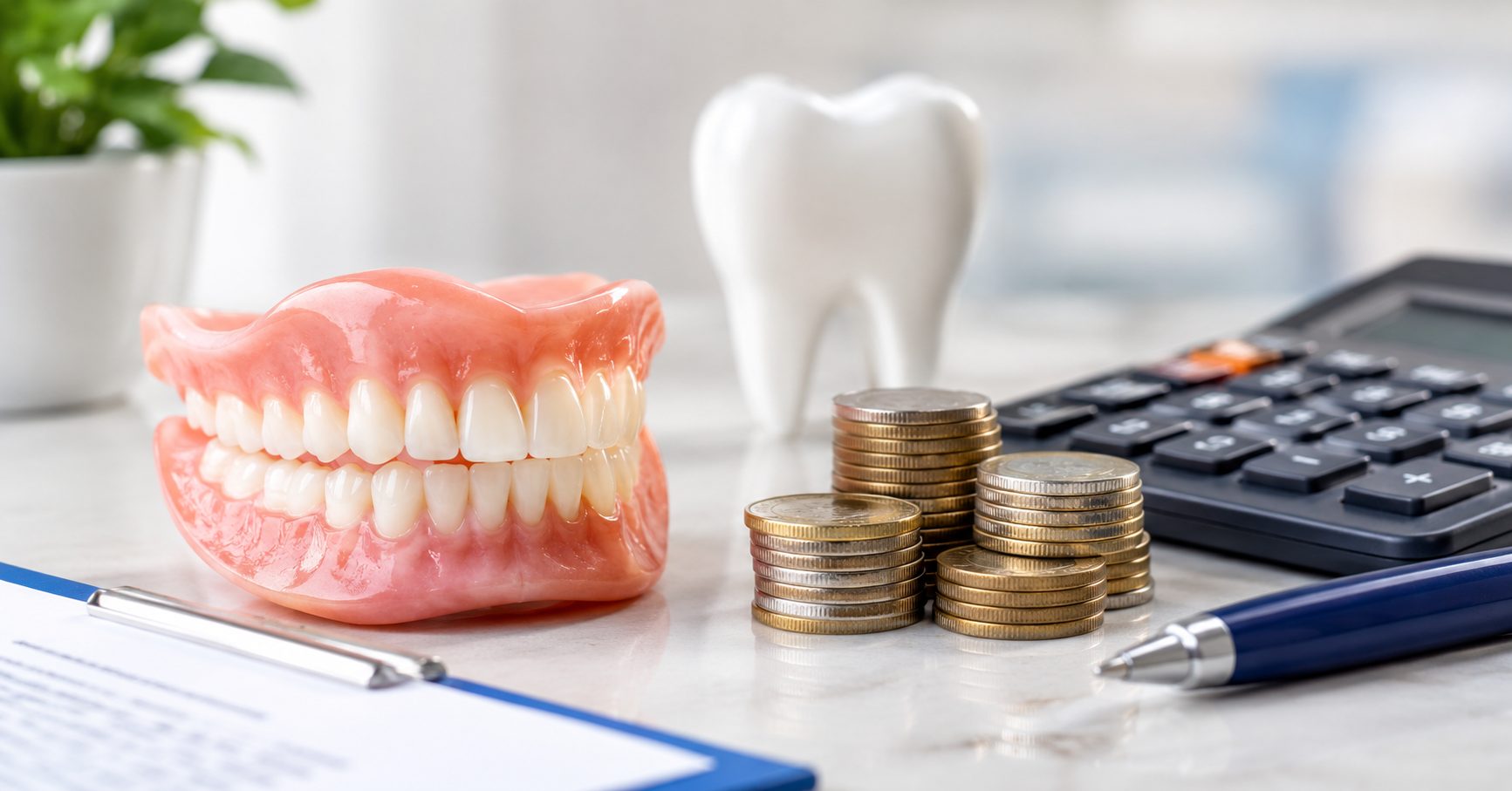
If you are missing one or more teeth, you have four main tooth replacement options: dental implants, full-arch implant systems such as All-on-4, fixed dental bridges, and full or partial dentures. Depending on the option you choose, tooth replacement cost typically runs anywhere from about $1,500 for a partial denture to $30,000 or more for a full arch of implant-supported teeth. This guide compares all four options side by side, breaks down realistic price ranges, and explains how our team at Spark Dental in North Richland Hills, TX helps patients choose the treatment that fits their mouth, their timeline, and their budget.
Why Replacing a Missing Tooth Matters
Tooth loss is far more common than most people realize. According to the CDC's 2024 Oral Health Surveillance Report, 11.4% of American adults aged 65 to 74 have lost all of their natural teeth, and that figure climbs to 19.7% among adults 75 and older. SeparateCDC research found that nearly one in three adults over 50 lacks a functional set of at least 20 teeth.
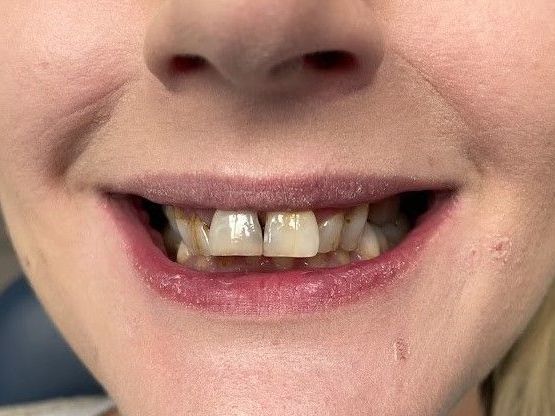
Beyond appearance, an untreated gap causes real problems. Neighboring teeth drift into the empty space, the opposing tooth can over-erupt, and your bite gradually shifts. The jawbone beneath a missing tooth also begins to shrink because it no longer receives stimulation from chewing. In our experience treating families across North Richland Hills, Hurst, Bedford, and Fort Worth, patients who replace a tooth within the first year almost always have simpler, less expensive treatment than those who wait five years and then need bone grafting first.
Your Four Main Tooth Replacement Options
Dental Implants
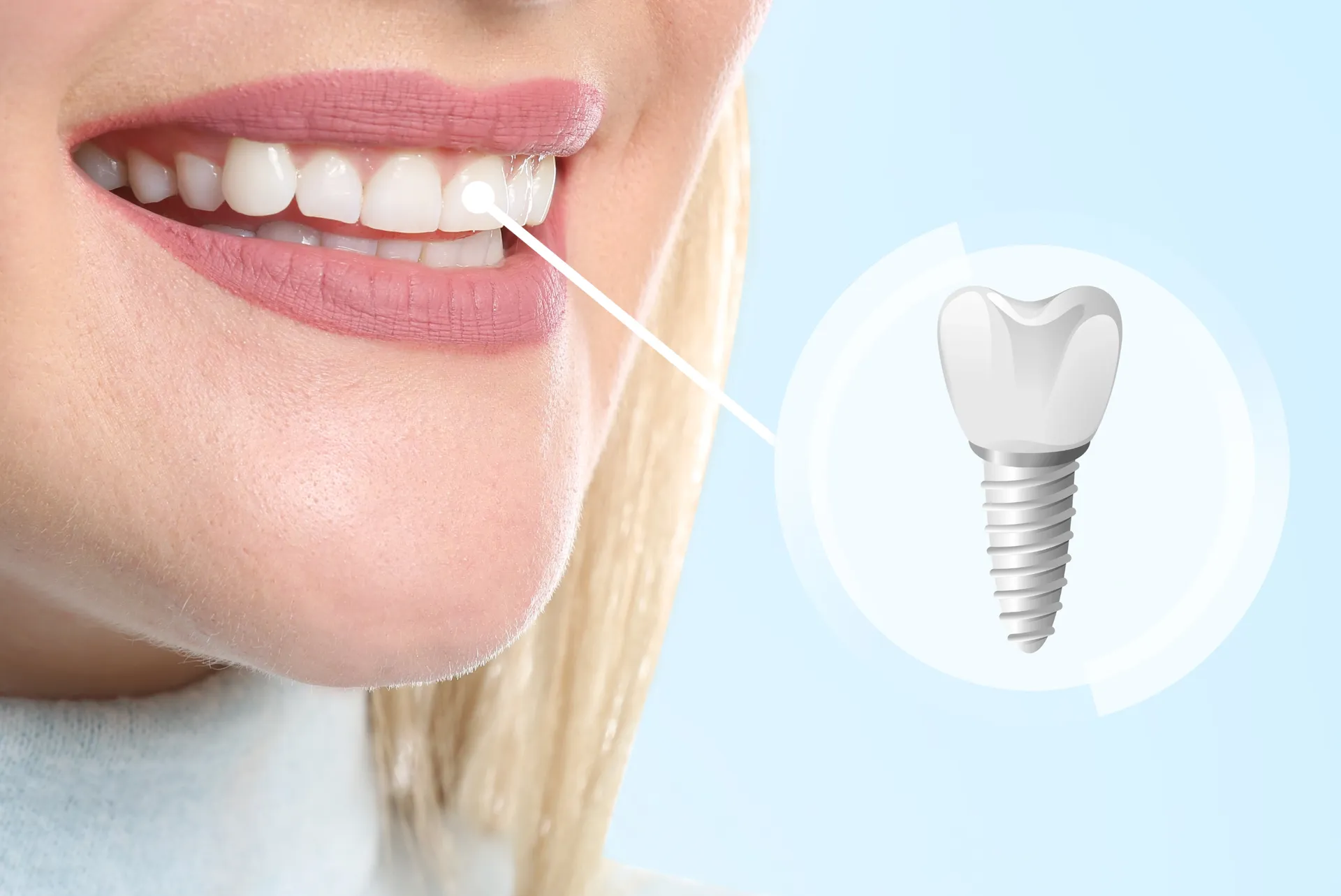
A dental implant is a small titanium post placed in the jawbone, topped with an abutment and a custom crown. It is the only option that replaces the tooth root, which is why it preserves bone and functions most like a natural tooth. Implants do not decay, do not require grinding down healthy neighboring teeth, and can be brushed and flossed normally.
The evidence behind implants is strong. A systematic review published in the Journal of Dentistry pooled 18 long-term studies and found a 10-year implant survival rate of 96.4%. The main trade-offs are a higher upfront cost and a longer timeline, since the implant needs three to six months to fuse with the bone before the final crown is placed.
All-on-4 Full-Arch Implants
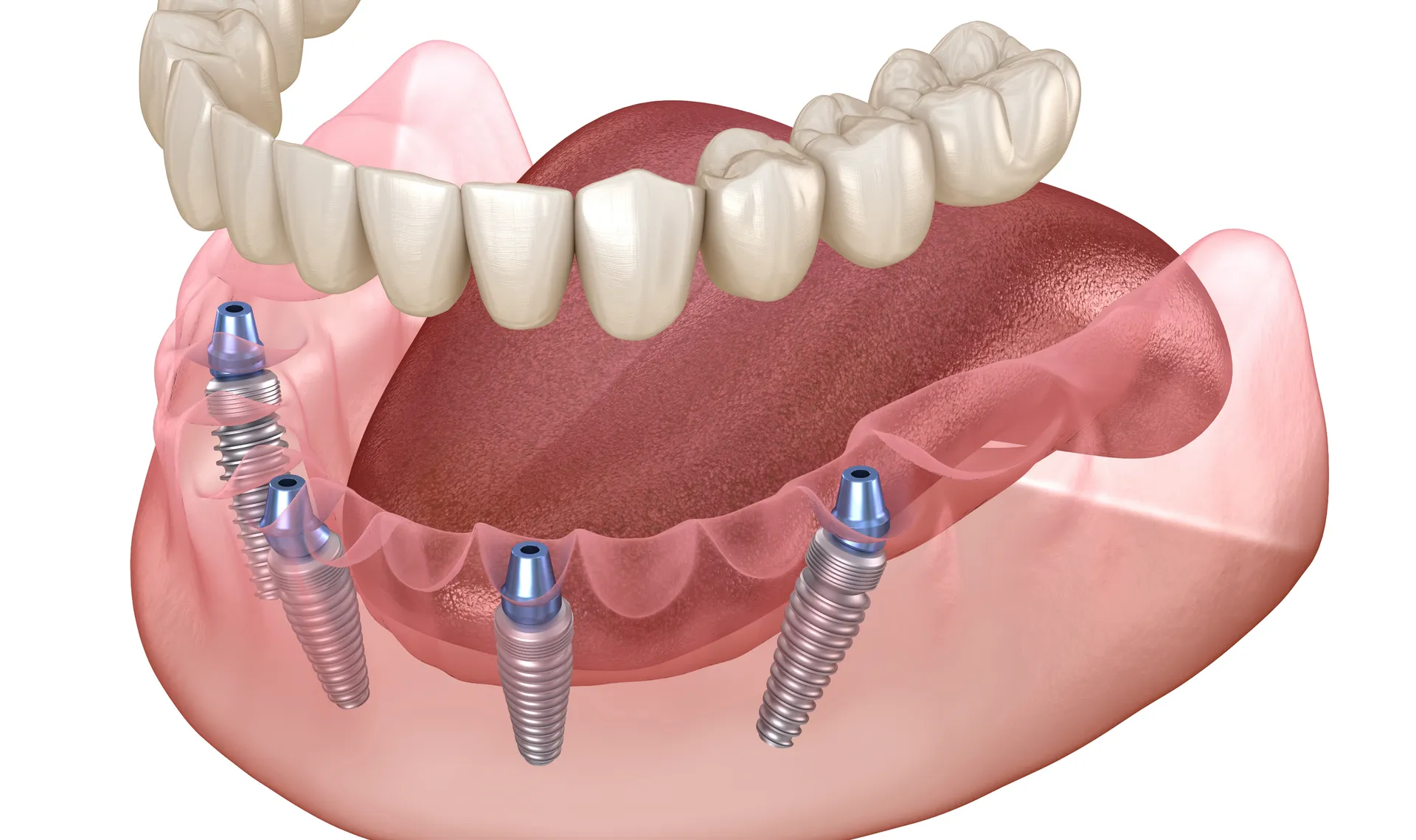
If you are missing most or all of the teeth in one arch, All-on-4 implants support a complete row of fixed replacement teeth on just four strategically angled posts. Unlike a removable denture, an All-on-4 prosthesis stays in your mouth permanently, restores strong chewing force, and often avoids the need for bone grafting because the posts are placed where bone is naturally denser. It is the most expensive option per arch, but for patients tired of loose dentures, it is frequently the most life-changing.
Fixed Dental Bridges
A porcelain bridge fills a gap by anchoring an artificial tooth to crowns placed on the teeth on either side. Bridges are fixed in place, look natural, and can usually be completed in two to three visits, making them faster than implants. The main drawback is that the two anchor teeth must be reshaped to hold their crowns, and the bone under the missing tooth still shrinks over time. A well-maintained bridge typically lasts 10 to 15 years before it needs replacement.
Full or Partial Dentures
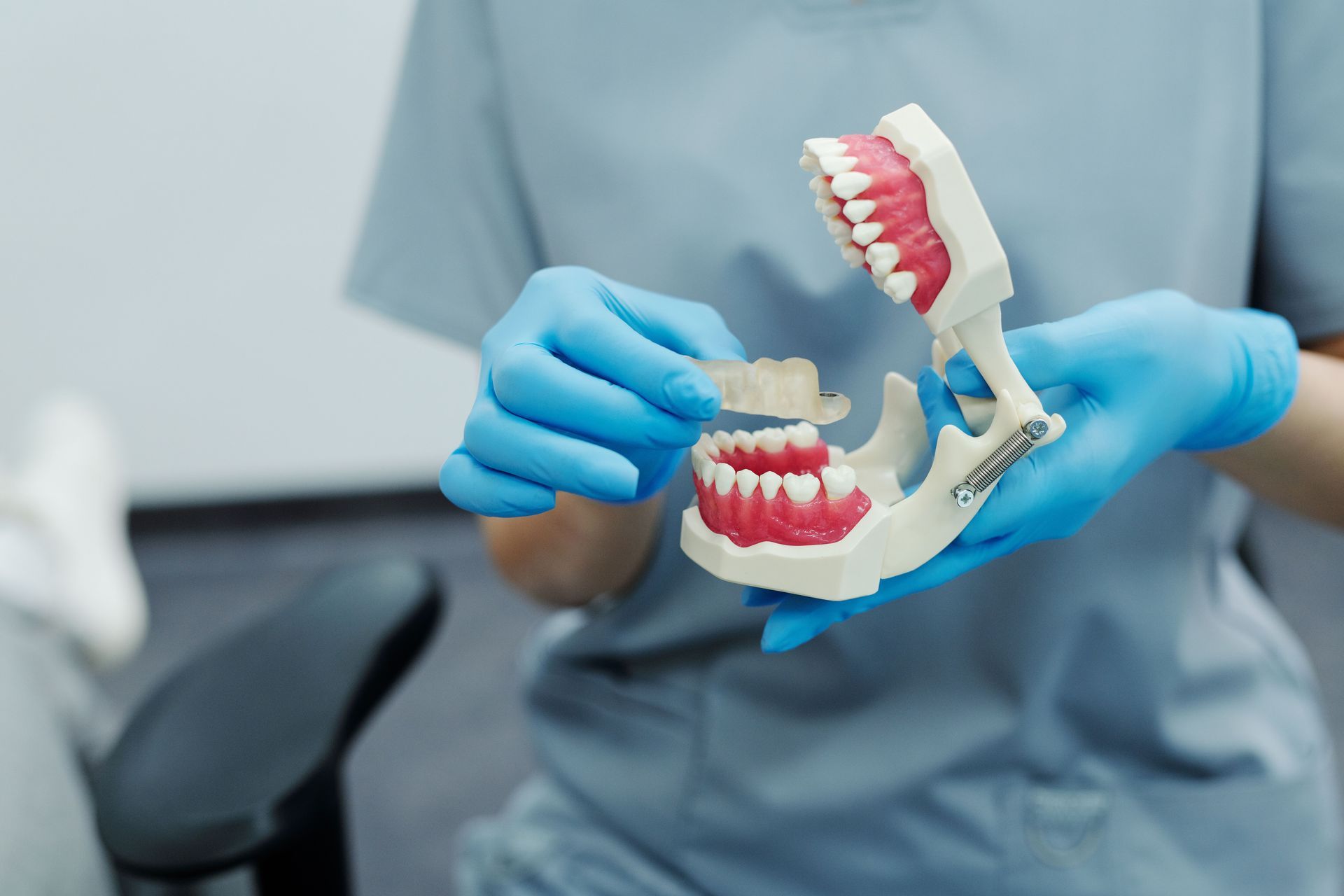
Full and partial dentures remain the most affordable way to replace multiple missing teeth. A partial denture clasps onto your remaining natural teeth, while a full denture replaces an entire arch. Modern dentures fit and look far better than the ones your grandparents wore, and they require no surgery. The trade-offs are lower chewing efficiency, the need for periodic relines as your jawbone changes shape, and full replacement roughly every five to eight years.
Tooth Replacement Cost Comparison
The table below shows typical U.S. price ranges. Your exact tooth replacement cost depends on your bone health, the materials used, how many teeth are involved, and whether preparatory work is needed. At Spark Dental, we give every patient a written estimate before treatment begins, so there are no surprises.
Single dental implant $3,000 to $5,000 20+ years; often lifetime Yes
(post, abutment, and crown)
Fixed bridge (three units) $2,000 to $5,000 10 to 15 years No
Partial denture $1,500 to $3,000 5 to 8 years No
Full denture (per arch) $1,800 to $3,500 5 to 8 years No
All-on-4 implants (per arch) $15,000 to $30,000 20+ years Yes
One number worth pausing on: while a denture or bridge costs less on day one, implants often cost less over a lifetime. A bridge replaced twice over 30 years can exceed the one-time cost of an implant, which is why we always walk patients through the long-term math, not just the initial invoice.
What Affects the Cost of Tooth Replacement?
Several factors move your final price up or down:
- Bone volume: If a tooth has been missing for years, you may need bone grafting before an implant can be placed, which adds several hundred to a few thousand dollars.
- Number and location of teeth: Front teeth demand more cosmetic precision, and replacing several adjacent teeth changes which options make sense.
- Materials: Zirconia and layered porcelain cost more than acrylic but resist staining and wear far better.
- Extractions and diagnostics: Failing teeth that must be removed, plus 3D imaging, add to the total. Our office uses digital X-rays and intraoral scanning, which reduces retakes and makes treatment planning more accurate.
- Insurance and financing: Many dental plans cover 50% of bridges and dentures but treat implants as elective. Spark Dental offers
flexible payment plans and will help you maximize whatever benefits your policy provides.
How to Choose the Right Option for You
After years of guiding patients through this decision, Dr. Deepika Verma and our team see the choice come down to four practical questions:
How many teeth are missing?
One tooth points toward an implant or bridge. Several scattered teeth may favor a partial denture or multiple implants. A full arch points toward All-on-4 or a complete denture.
What is your timeline?
A bridge or denture can be finished in weeks. An implant takes three to six months but rewards your patience with decades of service.
How healthy are the neighboring teeth?
If the teeth beside your gap already have large fillings or crowns, a bridge puts them to good use. If they are healthy and untouched, an implant avoids cutting into them at all.
What does your budget realistically allow?
A well-made denture you can afford today beats an implant you keep postponing. Replacing the tooth sooner, with any option, protects the bone and bite you still have.
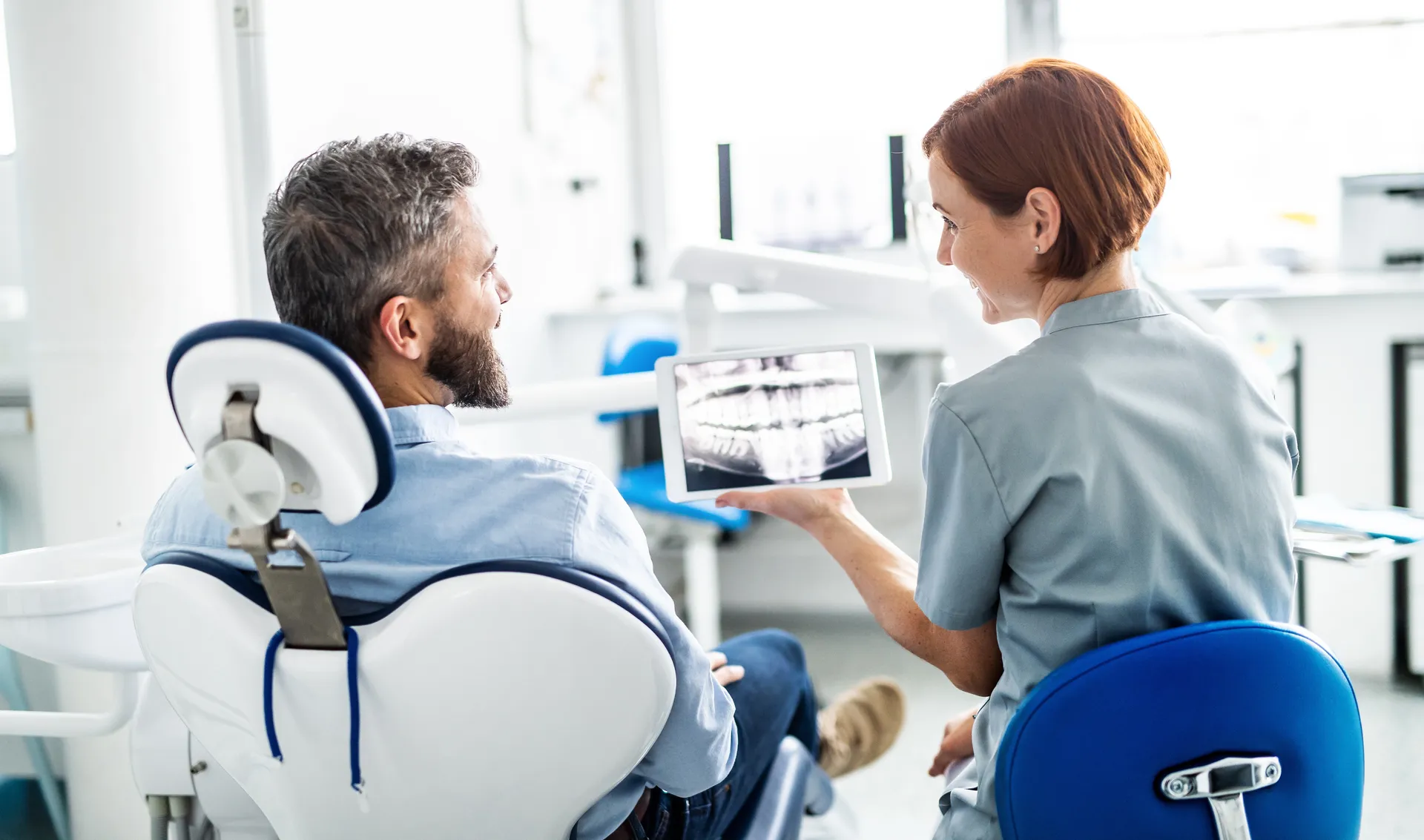
There is no universally correct answer, only the right answer for your mouth. That is why we start every tooth replacement case with a thorough exam, digital imaging, and an honest conversation about what each path costs now and later.
Frequently Asked Questions
How much does it cost to replace one tooth?
Replacing a single tooth typically costs $2,000 to $5,000 with a fixed bridge or $3,000 to $5,000 with a dental implant, including the post, abutment, and crown. A one-tooth partial denture (a "flipper") can cost as little as $500 to $1,500, though it is usually a temporary solution.
What is the cheapest way to replace missing teeth?
Partial and full dentures are the least expensive option upfront, generally $1,500 to $3,500. Keep in mind that dentures need relines and periodic replacement, so their lifetime cost is closer to the alternatives than the sticker price suggests.
Does dental insurance cover tooth replacement?
Most plans cover a portion of bridges and dentures, often around 50% after your deductible, up to your annual maximum. Implant coverage varies widely by policy. Our front office verifies your benefits before treatment and can pair insurance with a payment plan to spread out the remainder.
How long do dental implants last?
With good home care and regular checkups, implants routinely last 20 years or more, and the titanium post itself often lasts a lifetime. Published research shows 96.4% of implants are still functioning after 10 years.
Talk Through Your Options With Spark Dental
The best tooth replacement option is the one matched to your anatomy, your goals, and your budget, and that decision deserves a real examination rather than a guess. Dr. Deepika Verma and the Spark Dental team provide implants, All-on-4, bridges, and dentures under one roof at 7259 Boulevard 26 in North Richland Hills, serving families from Richland Hills, Hurst, Bedford, Haltom City, Watauga, Colleyville, and Fort Worth. Call (817) 962-7072 or request an appointment online to schedule a consultation, and we will map out every option, with exact pricing, before you commit to anything.