Could Dental Bridge Cost Make Affordable Dental Implants More Appealing?

Dr. Deepika Verma
Dr. Deepika Verma is a dentist serving the DFW, TX community. A graduate of New York University with a residency at New York Hospital Queens, she is a member of the American Dental Association and is passionate about patient-first, lifelong dental health.
Connect with Dr. Deepika Verma
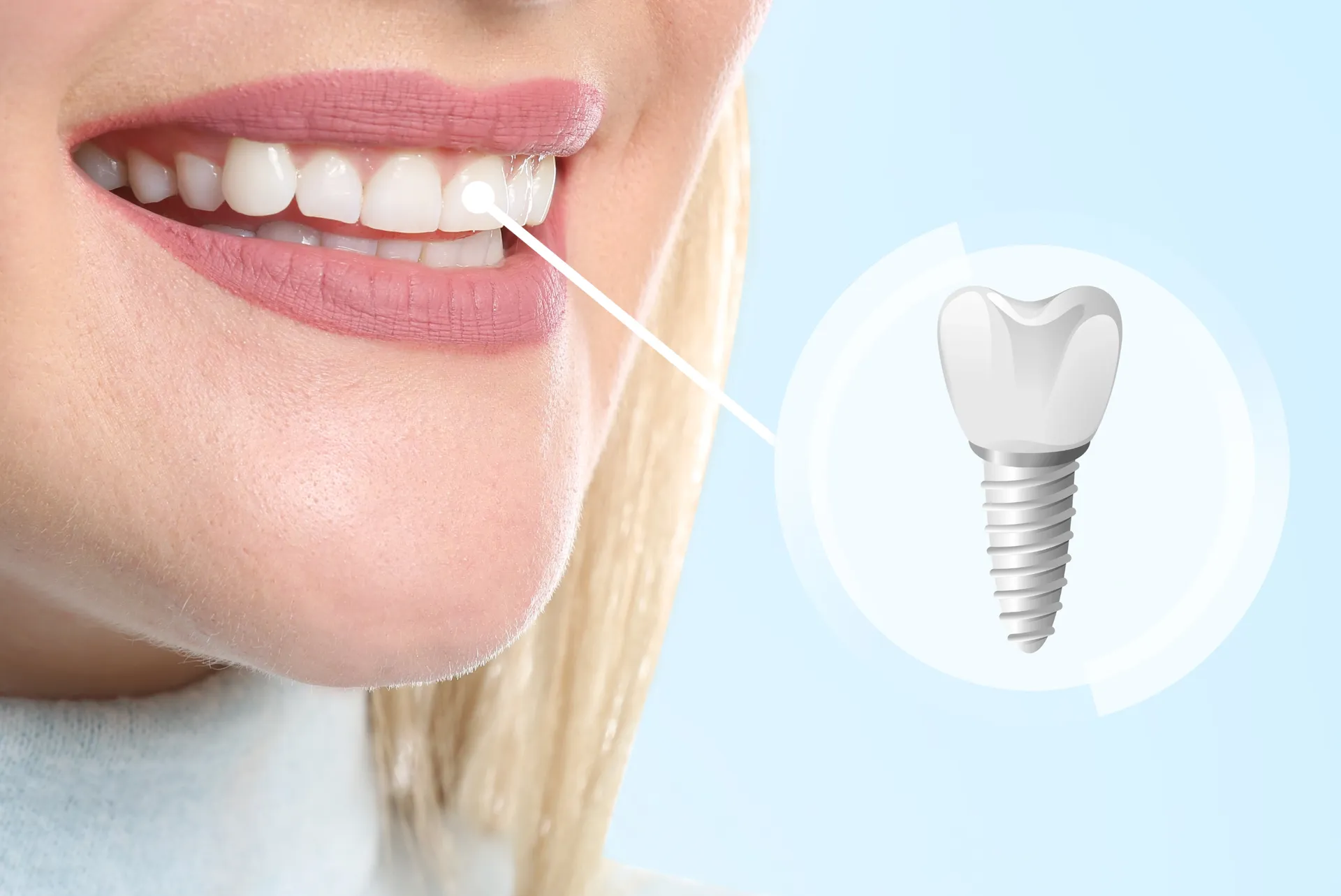
Yes. The gap between dental bridge cost and single implant cost has narrowed to roughly $490: Aspen Dental's published 2026 pricing puts the average bridge at $3,769 and the average single-tooth implant at $4,259. Weigh that small difference against the two healthy teeth a bridge must reshape, and affordable dental implants stop looking like the expensive option.
That $490 is the number most cost comparisons skip. They line up a low bridge sticker against a high implant sticker and stop, then you learn the bridge quote grows every time an anchor tooth needs work. This guide runs the comparison the way a treatment planner does: the price today, the price your neighboring teeth pay, and the scenarios where a bridge still wins.
Call Spark Dental at (817) 962-7072 for a written estimate that prices both options side by side.
Is a dental bridge cheaper than an implant in 2026?
A dental bridge is still cheaper than a single implant on the day you pay, but only by about 13% on current national pricing, and that margin shrinks or disappears once preparatory work enters the quote.
The two published ranges tell the real story. A bridge runs $2,673 to $5,857 and a complete single implant runs $3,158 to $6,533, so the ranges overlap by nearly $2,700: a premium bridge routinely costs more than a standard implant.
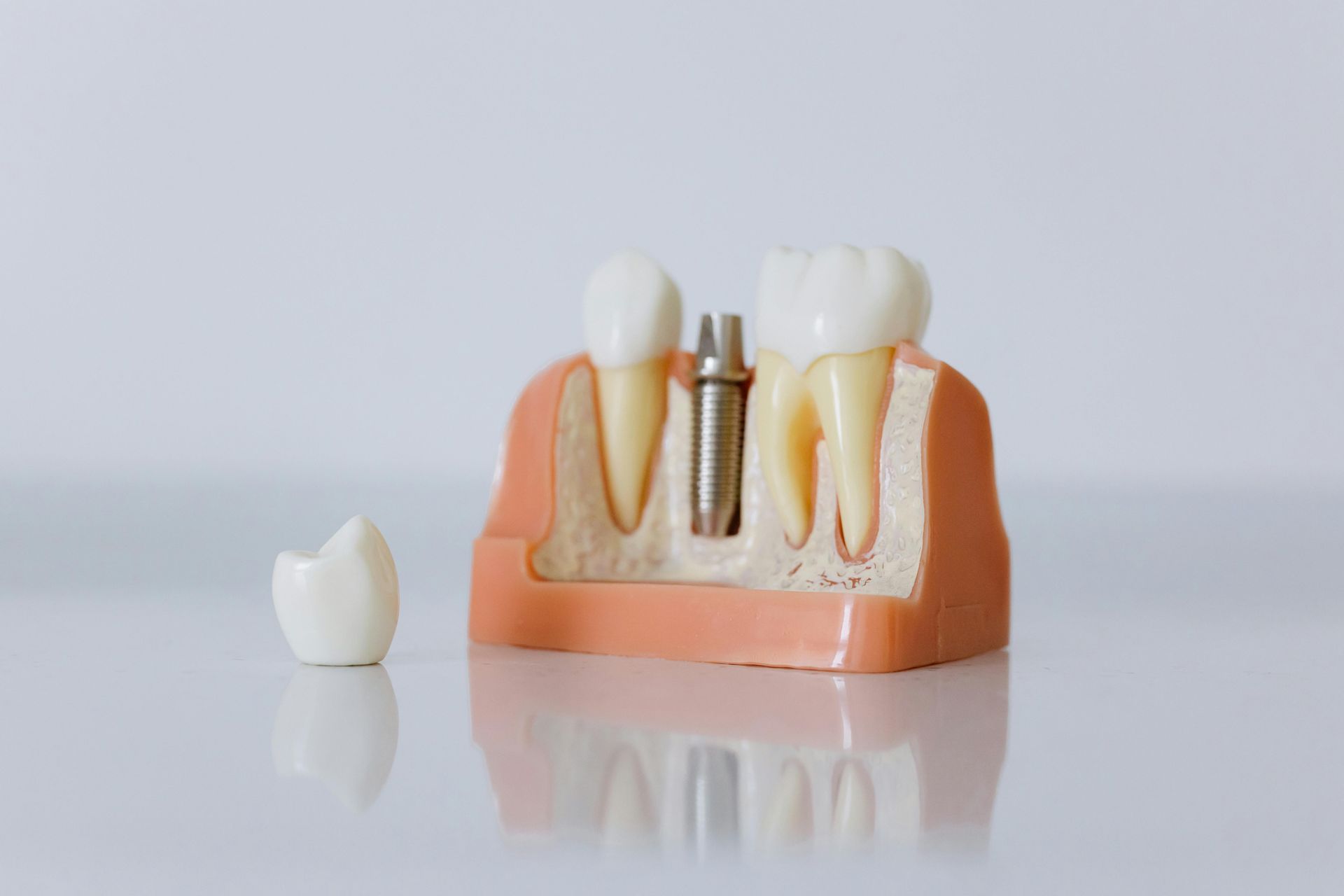
The gap closed because a traditional bridge bills three lab units (two anchor crowns plus the replacement tooth), so every material upgrade multiplies by three, while a single implant bills one post, one connector, and one crown.
Why does a dental bridge cost more than its price tag?
A dental bridge costs more than its price tag because it borrows two healthy teeth as anchors, and those teeth carry a measurable risk of decay, nerve damage, and loss that an implant never places on them.
A multicenter study published in August 2026 in Clinical Oral Implants Research followed 113 tooth-supported bridges and 125 implant restorations in back teeth for a mean of ten years. Over that period, 7.1% of the bridges failed, half because an anchor tooth was lost to decay, and the study recorded decay in 6.2% of all anchor teeth. Biological complications were significantly more common on the bridge side.
Every one of those events has a fee attached. Decay under an anchor crown means a filling at best and a root canal plus a remade bridge at worst. Lose the anchor entirely, and the bridge that depended on it comes out with it.
Implants carry their own risk. In the same study, seven of eight implant failures came from peri-implantitis, the gum and bone infection around a neglected post. A bridge spreads its risk across three teeth, while an implant keeps it to one site.
How long does each part actually last?
The industry's own warranties answer this plainly. Aspen Dental backs its titanium implant post for 25 years but covers crowns, bridges, and full-arch prosthetics for only 5 to 10 years. The post is built to outlast you; the ceramic on top is a renewable part on both plans. The difference is what gets replaced: one crown on an implant, or three units and two re-prepared anchor teeth on a bridge.
When does the bridge-versus-implant math flip?
The math flips toward an implant the moment a bridge quote needs a root canal, a rebuilt anchor tooth, or two untouched teeth, and it flips back toward a bridge when the neighbors already need crowns or the bone under the gap has shrunk.
Six situations move the numbers most.
| Situation at your exam | What it does to the dental bridge cost | What it does to the implant cost | Where the math lands |
|---|---|---|---|
| Both neighboring teeth are healthy and unfilled | No price change, but two intact teeth lose enamel for good | No change | Implant |
| One neighbor already has a large filling or old crown | That tooth needed a crown anyway; the bridge does double duty | No change | Bridge |
| An anchor tooth needs a root canal and buildup first | Quote rises by an endodontic fee plus a core buildup | No change | Implant |
| The tooth has been missing for years and bone has shrunk | No change | May add a bone graft and months of healing | Bridge on price; implant if the scan shows enough bone |
| Insurance pays half of a bridge but excludes implants | Out-of-pocket drops, capped by the annual maximum | Full fee | Bridge in year one |
| You need the gap closed within a month | Two to three visits over a few weeks | Three to six months of healing | Bridge on timeline |
Read the table as a set of switches, not a verdict. Most patients trip two or three at once, which is why an exam and a scan settle the question faster than a price list. Our full tooth replacement cost breakdown shows how dentures and full-arch systems fit alongside these two.
When does a dental bridge still beat an implant?
A dental bridge still beats an implant when the neighboring teeth already need crowns, when your jaw cannot support a post without extensive grafting, when a medical condition rules out surgery, or when you need the gap closed in weeks rather than months.
If both neighbors carry large fillings, cracks, or failing old crowns, the bridge crowns them as part of the job, and the anchor risk is priced into teeth that need work regardless.
The bone case cuts both ways. A jaw that has thinned after years without a root may need grafting before a post can hold, and some patients would rather accept a bridge than add a surgical stage.
Health rounds out the list. Uncontrolled diabetes, heavy smoking, and certain medications raise the odds of a post failing to integrate, and a dentist reviewing your medical history may recommend a porcelain bridge instead.
What should you ask before choosing a bridge over an implant?
Affordable dental implants start with four questions, not the lowest quote, because the answers reveal costs that neither sticker shows.
Are both anchor teeth vital and free of large fillings?
Ask to see X-rays of both neighbors. A tooth with a deep filling or a questionable nerve is a weaker anchor.
How much bone sits under the gap today, and what will it look like in five years?
A bridge pontic rests on the gum and does nothing to slow bone loss beneath it, so a bridge placed now can make a later implant harder and costlier.
What does the quote include if an anchor tooth needs a buildup or a root canal?
Get that line in writing, because it is the most common reason a bridge ends up costing more than the implant it replaced on the plan.
Which parts carry a warranty, and for how long?
Ask separately about the post, the crown, and the bridge units. Implants are FDA-regulated medical devices, and reputable manufacturers publish product guarantees on top of the practice's warranty.
How does Spark Dental price a dental bridge against an implant?
Spark Dental quotes a bridge and an implant on the same written treatment plan, so you see both totals, including any anchor-tooth work or grafting, before you choose.
Dr. Deepika Verma builds every restorative plan from digital X-rays, 3D mapping, and intraoral scans, and works with highly regarded specialists when a case calls for one while directing the overall plan herself. Both the dental implant
and the bridge come from that same exam, so we quote neither before we measure the neighboring teeth and the bone.
If the scan shows the jaw has thinned, we price bone grafting as its own line rather than adding it after you commit. We confirm your benefits before scheduling, and payment plans spread the remainder so the choice rests on your mouth, not on a single paycheck.
Families from North Richland Hills, Richland Hills, Hurst, Bedford, Haltom City, Watauga, Fort Worth, and Colleyville all see us at one office on Boulevard 26.
Disclaimer:
Figures in this article are published averages and study findings for education only, not quotes or guarantees. Your cost and candidacy depend on a clinical exam, imaging, medical history, and insurance benefits.
What do patients ask most when comparing bridge and implant costs?
Can I replace a failed dental bridge with an implant?
Usually, yes. When a bridge fails, the dentist checks whether the anchor teeth can survive as crowned single teeth and measures the bone under the old pontic. Bone often thins beneath a bridge, so a graft may come first, but many patients move from a failed bridge to an implant.
Does a dental bridge damage the teeth next to it?
A bridge permanently removes enamel from both anchor teeth so crowns can fit, and that reshaping cannot be undone. A 2026 study recorded decay in about 6% of anchor teeth over ten years, with anchor loss driving half of bridge failures. Healthy anchors lower that risk but never remove it.
Which costs less after ten years, a bridge or an implant?
By year ten, a bridge sits inside its typical replacement window, while a titanium post is ten years into a warranty that can run 25 years. Replacing a bridge means three new units and two re-prepared teeth; replacing an implant crown means one crown. Over that horizon, the implant usually costs less.
Can I get an implant if my tooth has been missing for years?
Yes, in most cases. The jaw shrinks where a root is absent, so a long-standing gap often needs a bone graft before a post can go in, which adds a stage and a fee. A 3D scan shows how much bone remains and whether a graft is required before anyone quotes a price.
Why would a dentist recommend a bridge over an implant?
A dentist recommends a bridge when the neighboring teeth already need crowns, when grafting would be extensive, when a medical condition makes surgery risky, or when you need a fixed tooth within weeks. In those cases the bridge uses work the mouth needs anyway or avoids a surgery that may not heal well.
So, should the cost of a dental bridge push you toward an implant?
For most patients with two healthy neighboring teeth and adequate bone, yes: a sticker gap of roughly $490 buys an option that leaves both neighbors untouched, holds its bone, and replaces one crown rather than three units when it wears. A bridge keeps its place when the anchors already need crowns, when bone is scarce, or when speed matters most.
The right answer for your mouth comes from an exam and a scan, not from a national average. Book a consultation with Dr. Deepika Verma at Spark Dental, 7259 Boulevard 26, North Richland Hills, TX 76180: call (817) 962-7072 or request an appointment online, and we will price both paths on one sheet before you commit to either.