A Practical Guide to Dental Implant Prices and Available Options

Dr. Deepika Verma
Dr. Deepika Verma is a dentist serving the DFW, TX community. A graduate of New York University with a residency at New York Hospital Queens, she is a member of the American Dental Association and is passionate about patient-first, lifelong dental health.
Connect with Dr. Deepika Verma
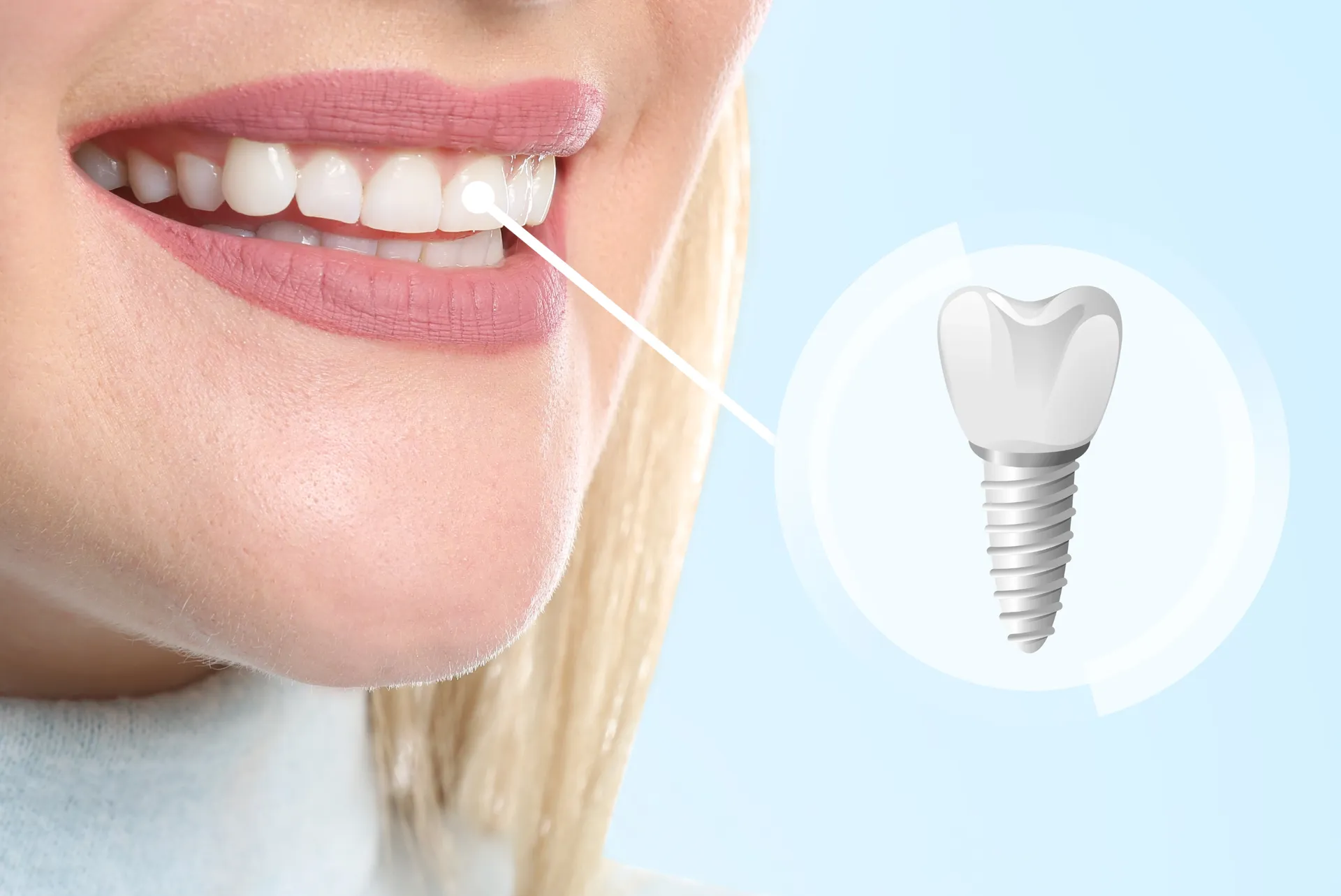
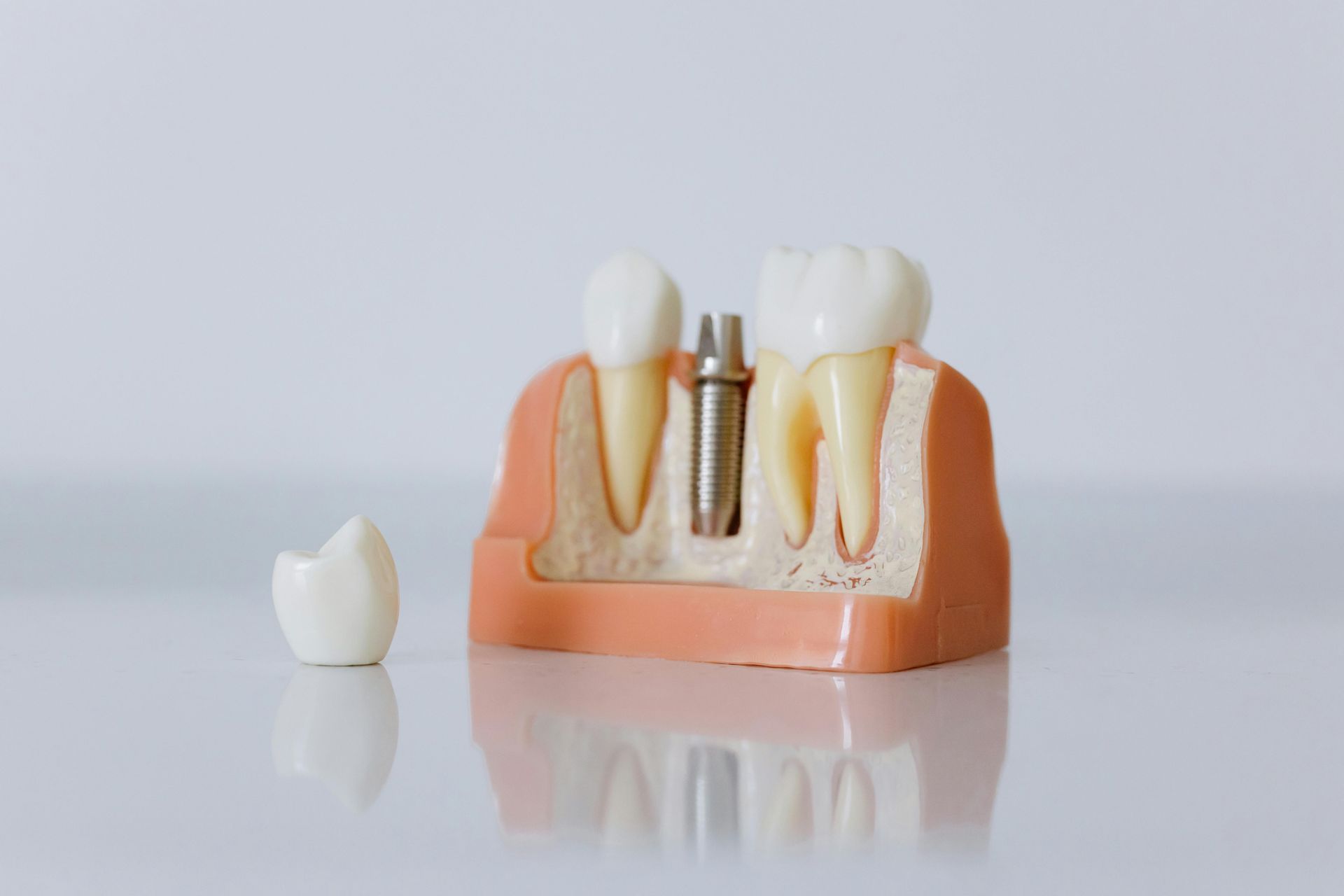
Replacing a missing tooth can involve more than simply filling a space in your smile. Dental implants are designed to replace the tooth root and support a replacement tooth, but the total cost depends on the type of restoration, the number of implants needed, your bone health, and other treatment requirements.
In
2026, published dental cost data put the price of a single full-size implant at about $2,143 on average, with reported costs ranging from approximately $1,646 to $4,157. Other industry data places the broader cost of replacing one tooth with an implant at roughly $2,800 to $5,600, depending on what is included in the treatment.
Full-arch treatment can cost considerably more. CareCredit currently lists an average of about $15,176 for All-on-4® treatment and approximately $29,980 for All-on-6® implants. These figures are useful reference points, but they should not be treated as a
personalized quote.
What Determines the Cost of Dental Implants?
There is no single price for dental implants because treatment is customized to the patient.
Your final fee may be affected by:
- The number of missing teeth
- The type and size of implant
- The material used for the restoration
- The number of implants supporting the restoration
- Whether a tooth needs to be removed first
- The amount of available jawbone
- Whether bone grafting is necessary
- The type of crown, bridge, or denture being attached
- Sedation or other additional services
- The dentist's location and experience
- Dental insurance benefits
A quote that looks inexpensive at first may not include every part of treatment. Ask whether the estimate includes the implant, abutment, crown or prosthesis, imaging, extractions, grafting, and follow-up appointments.
How Much Does a Single Dental Implant Cost in 2026?
A single full-size implant currently has a reported national average of $2,143, with a range of approximately $1,646 to $4,157 in CareCredit's published data.
Delta Dental reports a broader $2,800 to $5,600 range for replacing a single tooth with an implant when dental benefits are not included. The difference between these figures highlights an important point: sources may calculate "implant cost" differently depending on which parts of treatment are included.
For example, one estimate may refer primarily to the implant itself, while another may include the surgical placement, supporting components, and final crown.
What Other Expenses Can Be Added?
Additional treatment can change the final price substantially.
Current CareCredit cost data lists several examples:
- Standard endosteal implant about $4,344
- Endosteal implant with synthetic bone graft about $4,213
- Endosteal implant with allograft about $4,593
- Endosteal implant with autograft about $5,580
- Simple tooth extraction about $177
- Surgical tooth extraction about $363
- Full-size immediate-load implant about $3,255
These figures should be viewed as published cost references rather than a guaranteed price for an individual patient.
Bone grafting, for example, may be recommended when there is not enough bone to support an implant. Some patients may also need periodontal treatment or other preparation before implant placement.
How Many Implants Are Needed?
The number of implants does not necessarily equal the number of teeth being replaced.
For example, several missing teeth may be restored with an implant-supported bridge rather than placing one implant for every tooth.
Common configurations include:
- One missing tooth: One implant can support a single replacement crown.
- Several missing teeth: Two implants may sometimes support a bridge replacing multiple teeth, depending on the treatment plan.
- Implant-retained dentures: A removable denture may be stabilized with multiple implants.
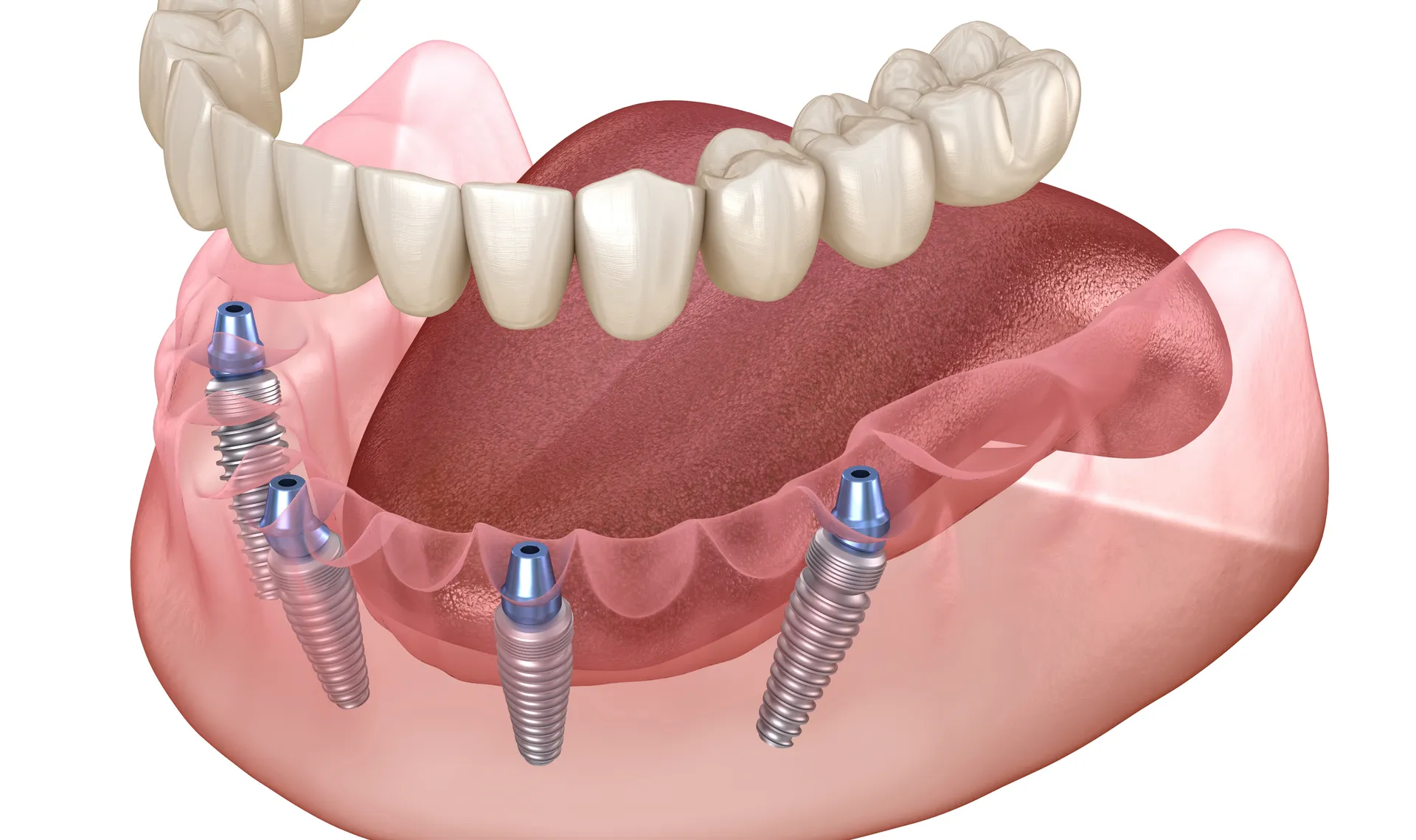
- Full-arch restoration:
All-on-4® uses four implants to support a complete arch in appropriate cases. CareCredit currently lists an average cost of approximately $15,176 for All-on-4® treatment.
All-on-6® treatment uses six implants and has a higher published average of about $29,980 in the same CareCredit data.
Does Implant Material Affect the Price?
Yes. Both the implant and the visible restoration can be made from different materials.
Titanium remains a commonly used material for dental implants. Zirconia is another option and may appeal to patients seeking a metal-free implant system.
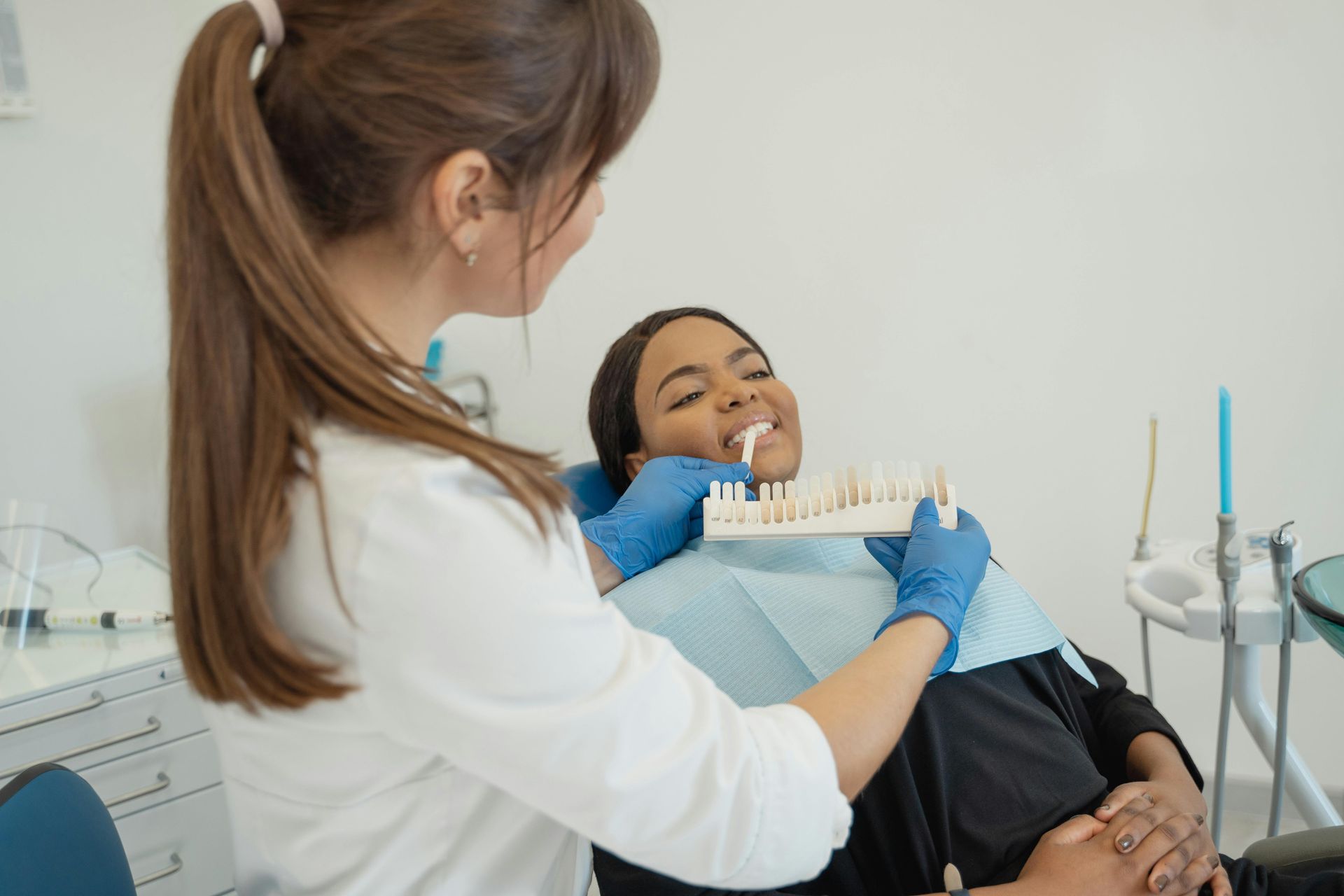
The restoration also affects the price. A basic crown and a premium laboratory-made restoration will not necessarily have the same fee.
Your dentist can explain which materials are appropriate for your specific situation and how they affect the
overall treatment cost.
How Long Does Dental Implant Treatment Take?
Treatment time varies from patient to patient.
After an implant is placed, the jawbone needs time to integrate with it before the final restoration is attached. For a conventional implant case, this process may take several months.
Some carefully selected patients may qualify for immediate provisional teeth when adequate primary stability is achieved. This does not mean every patient can receive a final permanent restoration immediately.
The treatment schedule may also become longer if tooth extraction, bone grafting, gum treatment, or other procedures are needed.
How Successful Are Dental Implants?
Long-term results can be favorable, but outcomes vary by patient and clinical circumstances.
A retrospective analysis involving 50,333 dental implant records reported an overall implant survival rate of 98.6% during the study follow-up period. The researchers found survival rates of 98.4% for immediate placement and 98.6% for delayed placement in the analyzed groups.
This does not mean every implant will have the same outcome. Factors such as oral hygiene, smoking, gum health, bone quality, implant location, medical history, and ongoing dental care can influence results.
Will Dental Insurance Pay for Dental Implants?
Coverage varies considerably between dental plans.
Some plans provide benefits for implants, while others exclude them or place limits on the amount they will pay. Delta Dental notes that coverage can depend on the specific plan, deductibles, waiting periods, network status, and other benefit conditions.
For example, the 2026 Delta Dental Federal Employees Dental Program High Option lists a $2,500 annual implant-only maximum per person, while its Standard Option has different benefit limits. This illustrates why insurance coverage cannot be estimated from the procedure price alone.
Before beginning treatment, ask your dental office for a pre-treatment estimate. This can help show:
- The dentist's expected fee
- What your plan may cover
- Your estimated insurance payment
- Your expected out-of-pocket amount
- Any annual or procedure-specific limits
Can an HSA or FSA Help With Implant Costs?
Depending on eligibility and plan rules, an HSA or FSA may be used toward qualified dental expenses.
The amount available and the specific rules depend on the account and your circumstances. Delta Dental also notes that HSA, HRA, and FSA rules can differ, so patients should verify eligibility before assuming an expense qualifies.
Some patients also discuss phased treatment or financing options with their dental office when the full treatment cannot reasonably be completed at once.
How Can You Compare Dental Implant Quotes?
Price alone does not tell you whether two implant estimates are actually comparable.
Before choosing a treatment plan, ask:
- Is the implant itself included?
- Is the abutment included?
- Is the final crown or prosthesis included?
- Are extractions included?
- Is bone grafting included if it becomes necessary?
- Are diagnostic scans included?
- What type of implant and restoration will be used?
- Are temporary teeth included?
- What follow-up care is included?
- How will insurance benefits affect the final amount?
A detailed treatment estimate makes it easier to compare costs without assuming that two different quotes cover the same services.
Are Dental Implants Worth Considering?
Dental implants can provide a way to replace missing teeth while supporting a crown, bridge, denture, or full-arch restoration. They can also help maintain stimulation of the jawbone where a tooth root has been lost.
However, implants are not the only option. Depending on the situation, a dentist may also discuss bridges or removable dentures.
The appropriate choice depends on factors such as oral health, bone availability, treatment goals, budget, and the condition of the surrounding teeth.
Dental Implants in North Richland Hills
At Spark Dental, patients in North Richland Hills can discuss tooth replacement options based on their individual dental needs.
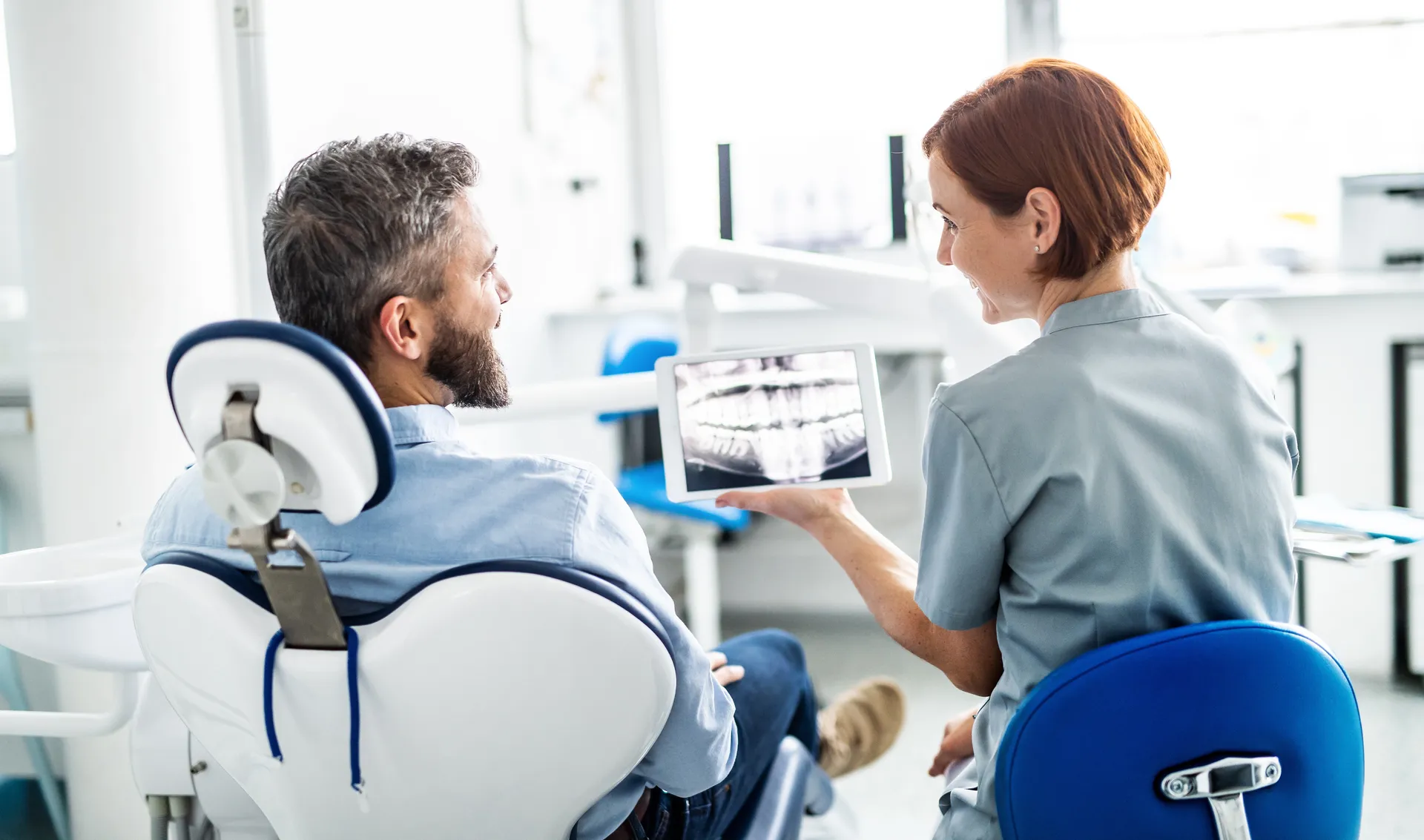
The practice provides implant-related treatment options including single dental implants, implant-supported bridges, dentures, and full-arch solutions. Digital X-rays and intraoral scanning can help with treatment planning.
The team can also review insurance benefits and discuss available payment options.
Spark Dental serves patients from North Richland Hills and nearby communities, including Richland Hills, Hurst, Bedford, Haltom City, Watauga, Colleyville, and Fort Worth.
To discuss dental implants and your treatment options,
contact Spark Dental at (817) 962-7072 or visit the office at 7259 Boulevard 26, North Richland Hills, TX.
Frequently Asked Questions
How much does one dental implant cost in 2026?
Published 2026 cost data varies depending on what is included. CareCredit reports a national average of $2,143 for a full-size single implant, while Delta Dental reports a broader $2,800–$5,600 range for single-tooth implant treatment without dental benefits.
How much does All-on-4 cost?
CareCredit currently lists an average cost of approximately $15,176 for All-on-4® dental implants. The actual treatment fee can vary based on the provider, location, restoration, materials, and additional procedures required.
Are mini dental implants cheaper?
They can be. CareCredit currently lists an average of approximately $860 for a single mini dental implant, compared with $2,143 for a full-size single implant. However, mini implants are not interchangeable with standard implants in every treatment situation.
How many implants are needed for a full mouth?
The number depends on the restoration and the patient's anatomy. A complete arch may be supported by four implants in an All-on-4® approach, while other treatment plans may use six or more implants.
Are dental implants painful?
Implant placement is performed with anesthesia, so patients generally should not feel the surgical procedure itself. Some soreness, swelling, or discomfort can occur afterward. Your dentist can explain what to expect based on the planned procedure.
How long can dental implants last?
Implant longevity varies with oral hygiene, bone and gum health, implant location, lifestyle factors, and professional maintenance. The implant and the visible restoration may also have different lifespans, so regular dental evaluations remain important.