What Should You Look for in a Dentist in North Richland Hills, TX?
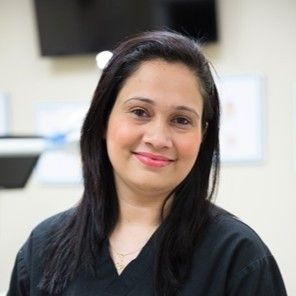
Dr. Deepika Verma
Dr. Deepika Verma is a dentist serving the DFW, TX community. A graduate of New York University with a residency at New York Hospital Queens, she is a member of the American Dental Association and is passionate about patient-first, lifelong dental health.
Connect with Dr. Deepika Verma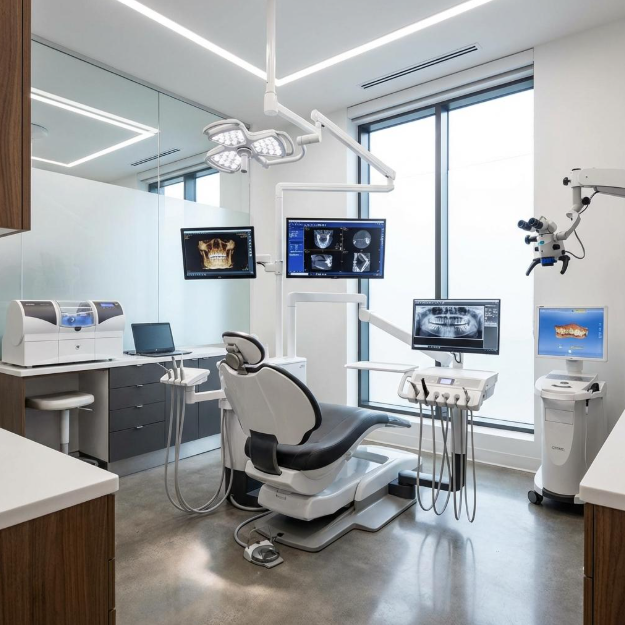
Look for a dentist who holds an active state license, offers the services your household needs, accepts your insurance or a clear payment plan, uses current digital imaging, and explains treatment before starting it. Only 66.7% of U.S. adults
had a dental exam or cleaning in the past year, according to the CDC, so pick one you will keep visiting.
This guide shows you how to check each of those five points in under an hour, which signals matter most for families in the Mid-Cities, and which red flags should send you to the next office on your list.
Ready to book? Call Spark Dental at (817) 962-7072 or request an appointment online.
How Do You Choose a Dentist?
You choose a dentist by confirming four things, in this order: an active license, the services your household needs, a payment path you can afford, and an office you can reach during hours you keep. Decor, star ratings, and website polish come after those four.
Confirm the License and Training First
Every dentist practicing in Texas must hold an active license from the Texas State Board of Dental Examiners, and you can check any license by name on the board’s public lookup. The record shows status, issue date, and any disciplinary history.
Then read the training. A DDS or DMD degree from an accredited dental school is the baseline. A completed general practice residency adds a year of hospital-based experience treating medically complex patients, which matters if anyone in your family manages diabetes or heart disease, or takes blood thinners.
Membership signals: American Dental Association membership means the dentist has agreed to the ADA Code of Ethics and keeps up continuing education. Membership is voluntary, so its presence tells you something useful and its absence tells you very little.
Match the Services to Your Household
List what your family will need over the next five years, then confirm the office provides it under one roof. A typical list covers cleanings and exams, fillings, crowns, root canals, extractions, and some form of teeth straightening.
Households with children should add infant exams, sealants, fluoride, and sports mouthguards. Adults over 50 should add implant and denture options plus periodontal therapy.
An office that refers to everything beyond a cleaning is not doing anything wrong, but each referral costs you time, new-patient paperwork, and often a second set of X-rays.
Check Insurance, Then Check the Payment Plan
Ask two separate questions: “Are you in-network with my plan?” and “What happens if I need work my plan does not cover?” The first answer sets your copay. The second tells you whether the office offers third-party financing or an in-house plan.
Nationally, 28% of adults, around 76 million people, have no dental coverage at all, according to the CareQuest Institute’s August 2026 State of Oral Health in America report. A practice that only talks about insurance leaves more than a quarter of patients without a clear answer.
Weigh Location against the Hours You Can Keep
Pick an office within a 15-minute drive of home, work, or your child’s school, then check that its open hours match the time you can actually arrive. An 8:30 a.m. opening suits parents who drop kids at school first. An appointment-only Saturday suits shift workers and anyone who cannot leave work midweek.
Read the office’s own account of a first appointment before you book. Our first visit expectations page lays out what happens from check-in to treatment plan.
Why Texas Dental Visit Rates Make This Decision Matter
Texas ranks 49th of 50 states for adults who saw a dentist in the past year, at 58.1%, based on 2024 CDC Behavioral Risk Factor Surveillance System data compiled by America’s Health Rankings. Connecticut, the top state, sits at 75.2%.
That gap is not a knowledge problem. The same CareQuest 2026 survey found that 4% of U.S. adults, about 11 million people, went to a hospital emergency department for dental pain in the past year. An emergency room can prescribe antibiotics and pain relief, but it cannot fill a cavity or drain an abscess at the source.
The practical lesson: The right dentist is the one whose location, hours, and pricing make a six-month recall appointment easy to keep. A brilliant office you visit once every four years does less for your health than a solid local office you visit twice a year.
Dentist Credentials: What They Claim and How You Verify It
Most dental websites make the same four claims: experienced, gentle, state-of-the-art, and affordable. The table below turns each claim into a check you can run in minutes and names the warning sign that should keep you looking.
| Claim on the Website | Where You Verify It | Green Flag | Red Flag |
|---|---|---|---|
| “Licensed dentist” | Texas State Board of Dental Examiners license lookup | Active status, no disciplinary actions | Expired, on probation, or no record under that name |
| “Experienced, highly trained” | School and residency named on the About page | Accredited degree plus a residency or named continuing education | No school named, or “years of experience” with no detail |
| “We accept all insurance” | Your insurer’s provider directory, not the office’s list | Your plan shows the dentist as in-network | Office “accepts” your plan but sits out-of-network, raising your share |
| “State-of-the-art technology” | Technology page listing specific equipment | Named digital X-ray, intraoral camera, and digital scanner | Stock photos and the word “modern” with no equipment named |
| “Emergency dentist” | Call during business hours and ask the same-day policy | Clear answer on how urgent cases get fitted in | “Just call us” with no timeframe |
| “Affordable” | Financial options page and a written treatment estimate | Estimate before treatment, financing partner named | Price disclosed only after work begins |
| “Great reviews” | Google Business Profile, filtered to 3-star reviews | Specific comments on communication and pain control | Only 5-star reviews, all posted the same week |
Spend 20 minutes on this table before your first call and you will know more about a practice than most patients learn in a year. The insurer directory check alone prevents the most common billing surprise: an office that “accepts” your plan while sitting outside its network.
What Should a Dentist in North Richland Hills, TX, Offer Your Family?
A dentist in North Richland Hills, TX, should offer preventive, children’s, restorative, cosmetic, and emergency care for every age in your household, from an office you can reach in minutes from anywhere in the Mid-Cities.
North Richland Hills sits between Fort Worth and the Hurst-Euless-Bedford corridor, with Loop 820 and Boulevard 26 carrying most of the local traffic. An office on Boulevard 26 is a short drive from Richland Hills, Haltom City, and Watauga.
- Preventive care: Twice-yearly cleanings, an oral cancer screening at each exam, and digital X-rays at intervals your dentist sets from your personal risk.
- Children’s dentistry: A first exam by age one, sealants on permanent molars, fluoride through the school years, and mouthguards for every contact sport.
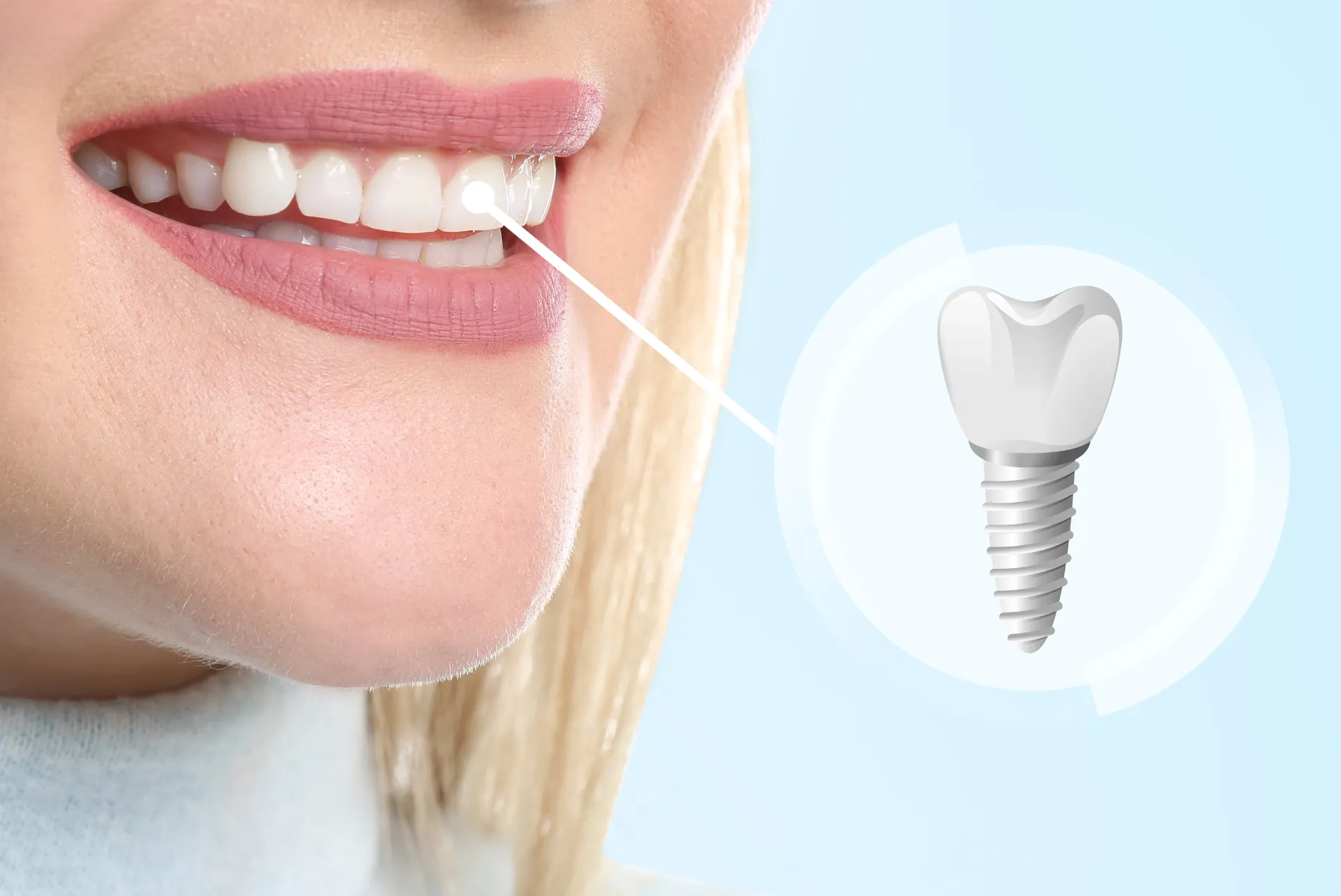
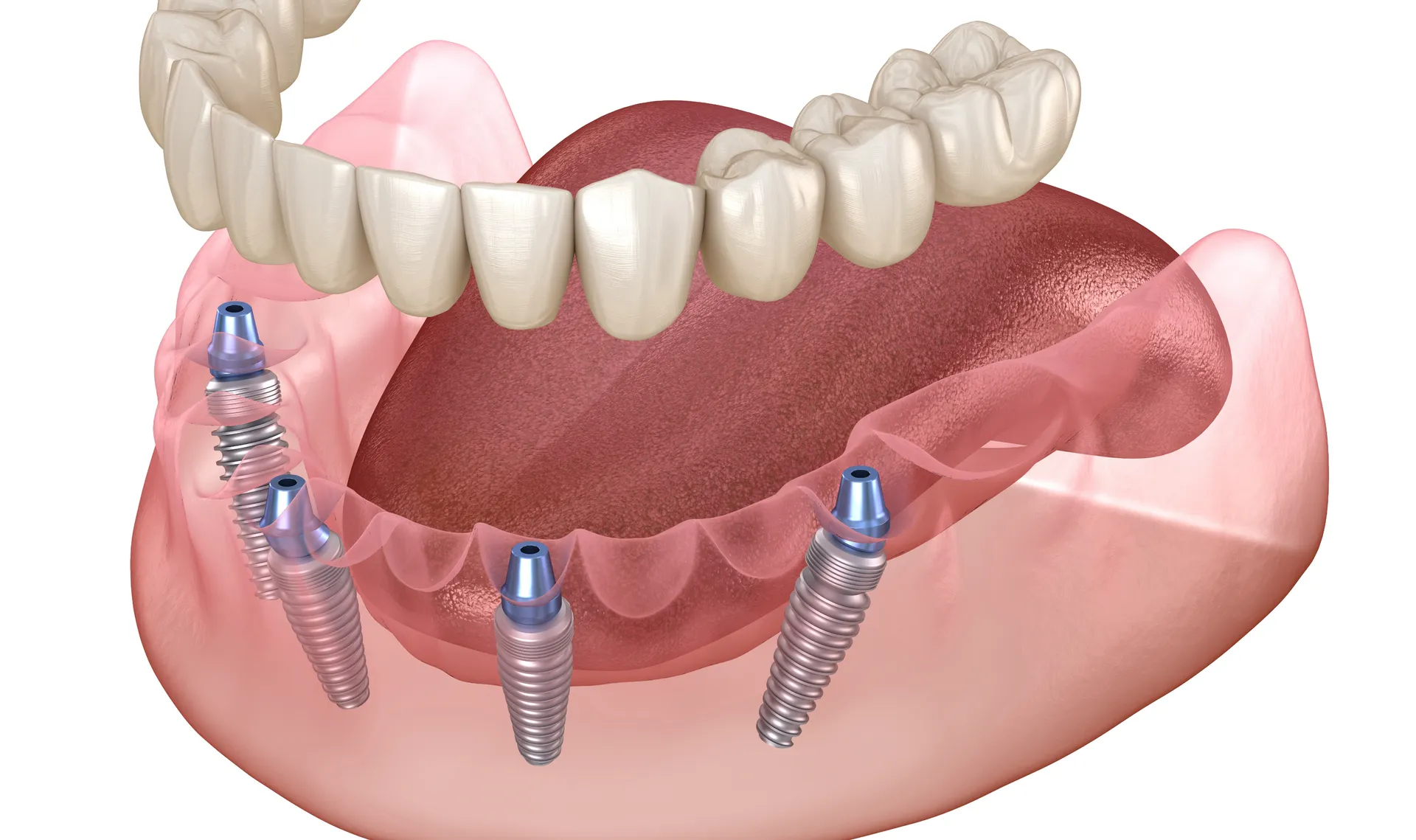
- Restorative and replacement options: Tooth-colored fillings, porcelain crowns, root canals, implants, bridges, and dentures, so a lost tooth never means a referral across town.
- Emergency access: A stated policy for same-day care when you have pain, swelling, or a knocked-out tooth.
Dental services in North Richland Hills vary most on that last point. Ask how the office handles a cracked molar at 3 p.m. on a Thursday, and judge the practice by how specific the answer is.
Dental Care at Spark Dental in North Richland Hills
At Spark Dental, Dr. Deepika Verma leads a family practice at 7259 Boulevard 26 that was built to pass the checklist above. Dr. Verma earned her dental degree at New York University, completed a general practice residency at New York Hospital Queens, and is a member of the American Dental Association.
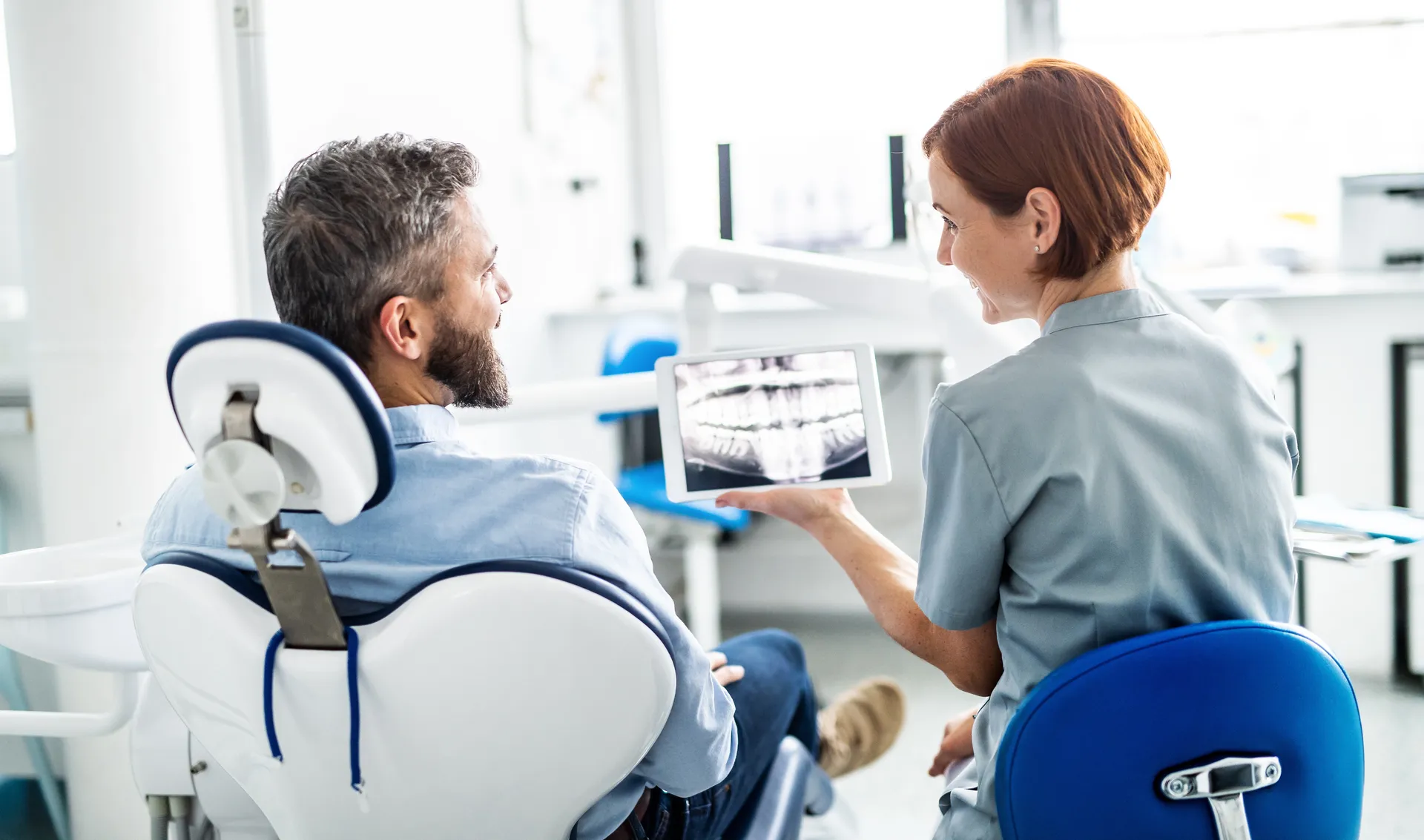
Our office handles preventive, children’s, cosmetic, restorative, and emergency care under one roof, including implants, dentures, root canals, and Invisalign. We use digital X-rays, an intraoral camera, and Medit and iTero Element digital scanners, so you see what we see before we recommend anything. See the full list on our
all services page.
We are a preferred provider (PPO) for many dental insurance plans, we accept cash, checks, and most major credit cards, and we work with CareCredit for treatment your plan does not cover. You get a cost breakdown before treatment starts, never after. Our financial options page explains how we handle claims.
We care for families from North Richland Hills, Richland Hills, Hurst, Bedford, Haltom City, Watauga, Fort Worth, and Colleyville, and we treat dental care in Richland Hills and the surrounding Mid-Cities as neighborhood care, not a referral chain. Hours run 8:30 a.m. to 4:00 p.m. on Monday, Tuesday, Thursday, and Friday, with Wednesday and Saturday by appointment. If dental visits make you anxious, tell us when you book; explaining every step before we take it is standard here.
Frequently Asked Questions about Choosing a Dentist
What Questions Should You Ask at a First Dental Visit?
Ask five: how the dentist decides when X-rays are needed, what the written estimate will include, who covers emergencies after hours, how often the office recommends cleanings for someone with your history, and what happens if you need a specialist. Clear, specific answers to all five mean the office has thought about patients like you.
Should You Pick a Dentist Based on Online Reviews Alone?
No. Reviews measure how patients felt, not whether the clinical work was sound. Use them to screen for patterns in communication, wait times, and billing surprises, then verify the dentist’s license and training separately. A practice with 40 detailed reviews and an active license beats one with 400 one-line five-star ratings and nothing else.
Is It Worth Driving Farther for the Right Dentist?
Yes, up to a point. A 25-minute drive to a dentist who offers the services you need and explains costs clearly beats a 5-minute drive to one who refers to every procedure. Set a 30-minute ceiling: beyond it, a routine cleaning starts to feel like an errand to skip, and skipped visits cost more than the extra miles.
What Does In-Network Mean When Choosing a Dentist?
In-network means the dentist has signed a contract with your insurer to accept negotiated fees, which lowers your out-of-pocket share. Out-of-network dentists can still file your claim, but you pay the difference between their fee and what the plan allows. Confirm network status in your insurer’s own directory, since office lists can lag.
Can a New Dentist See You for an Emergency before a Regular Checkup?
Yes, most general dentists accept new patients for urgent care without a prior exam. Call, describe the symptom (pain, swelling, a broken or knocked-out tooth), and ask for the first available slot. Bring a list of medications and any insurance card. The dentist treats the emergency first, then schedules a full exam for later.
Choosing Your Dentist in North Richland Hills: The Final Checklist
Confirm the license, match the services to your household, get the payment answer in writing, and pick an office you can reach during its open hours. Those four steps, in that order, find you the right dentist in North Richland Hills, TX. Run the verification table, read the 3-star reviews, and make one phone call to test how the front desk handles a real question.
At Spark Dental, we built our practice to pass that checklist, and we welcome you to put it to the test. Call Spark Dental at (817) 962-7072, email care@thesparkdental.com, or request an appointment online. You will find us at 7259 Boulevard 26, North Richland Hills, TX 76180.