How All-on-4 Dental Implants Work, Who They Suit, and What the Evidence Shows

Dr. Deepika Verma
Dr. Deepika Verma is a dentist serving the DFW, TX community. A graduate of New York University with a residency at New York Hospital Queens, she is a member of the American Dental Association and is passionate about patient-first, lifelong dental health.
Connect with Dr. Deepika Verma
Losing most or all of the teeth in one dental arch can make eating, speaking, and everyday life difficult. Full-arch dental implants offer one way to replace those teeth with a fixed restoration supported by implants.
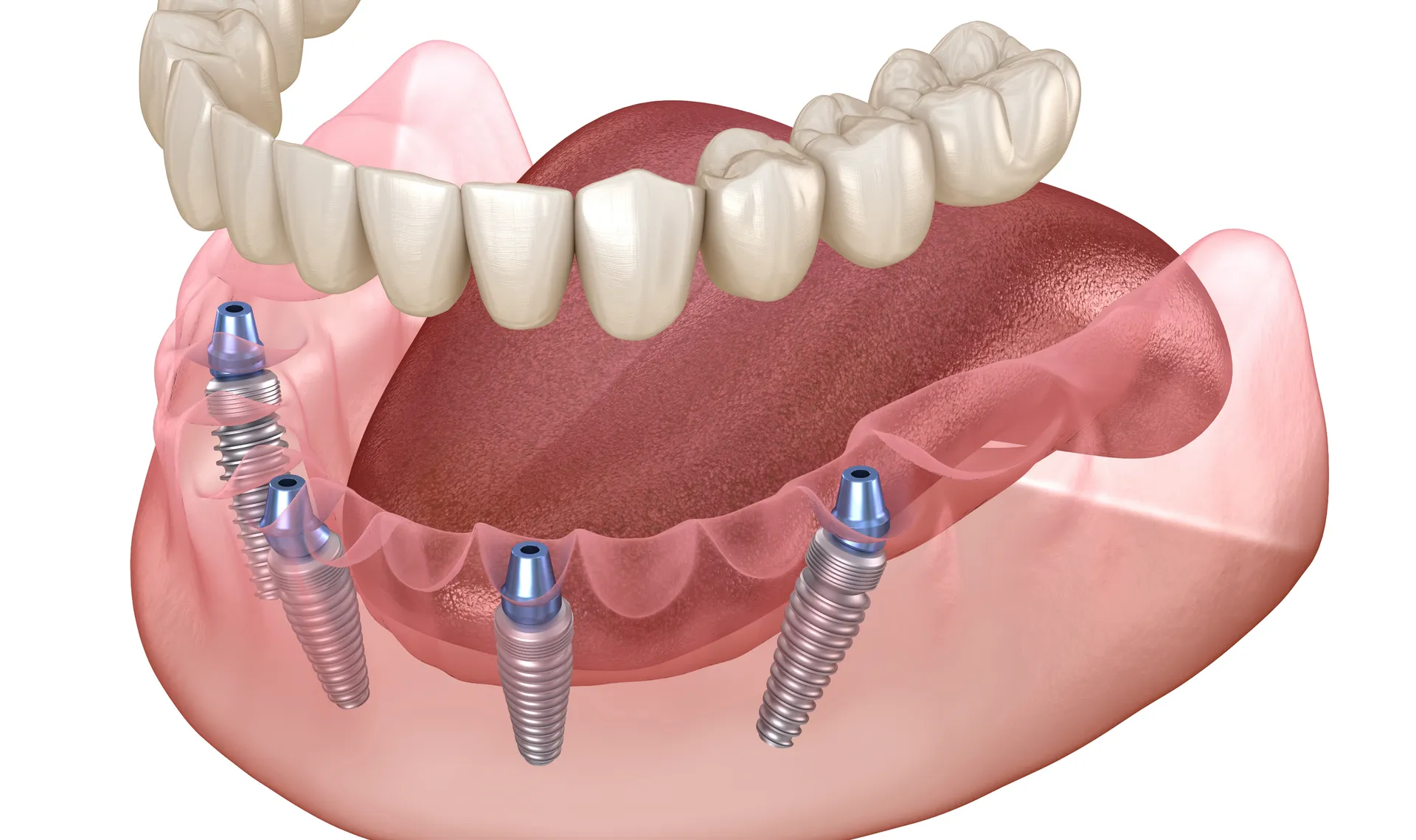
All-on-4® is one of the established approaches. It uses four implants to support a full-arch prosthesis, with the rear implants typically angled to make use of available bone.
But is four implants automatically the right choice?
Not necessarily. The right full-arch solution depends on bone volume, gum health, medical history, oral habits, treatment goals, and the type of restoration being considered.
A 2026 systematic review and meta-analysis covering 55 studies found strong implant survival for both All-on-4 and All-on-6, with no simple evidence that one approach is universally preferable.
At Spark Dental, patients in North Richland Hills can discuss these options with Dr. Deepika Verma and determine which approach fits their needs.
What Is All-on-4 Dental Implant Treatment?
All-on-4 is a full-arch restoration technique in which four dental implants support a complete row of replacement teeth.
The implants are positioned strategically rather than placing one implant under every replacement tooth. The two rear implants are commonly tilted to take advantage of available bone.
This approach can be useful when a patient has significant tooth loss and wants a fixed restoration.
The replacement teeth are attached to the implants rather than resting directly on the gums like a conventional removable denture.
That difference can affect daily life.
A fixed implant-supported arch does not need to be removed for overnight soaking or held in place with denture adhesive. It also leaves the roof of the mouth uncovered in many upper-arch designs, which some patients may find more comfortable.
However, the exact design of the prosthesis depends on the individual treatment plan.
Why Are the Back Implants Angled?
The angled posterior implants are one of the defining features of the All-on-4 concept.
Instead of requiring four vertical implant sites spread evenly across the jaw, the rear implants can be placed at an angle to use available bone more effectively.
This may reduce the need for extensive bone augmentation in appropriately selected cases.
That does not mean grafting is never required.
Severe bone loss, particularly in the upper jaw, can change the treatment plan. Imaging is needed to determine whether the available bone can support the proposed implant positions.
What Does the Latest Research Say About All-on-4?
The most useful current evidence comes from a 2026 systematic review and meta-analysis comparing All-on-4 and All-on-6 full-arch implant rehabilitation.
The review included 55 studies.
For All-on-4, the pooled implant survival rates were:
- 99.20% at 1 year
- 99.66% between 1 and 5 years
- 98.14% at 5 years or longer
For All-on-6, the corresponding figures were:
- 100% at 1 year
- 98.55% between 1 and 5 years
- 97.50% at 5 years or longer
The researchers also reported long-term marginal bone loss of approximately 1.28 mm for All-on-4 and 0.94 mm for All-on-6 at five years. Mechanical complications were reported in 5.91% of All-on-4 cases and 6.64% of All-on-6 cases, while biological complications occurred in 6.54% and 7.41%, respectively.
These numbers are encouraging, but they should not be interpreted as a guarantee for an individual patient.
The same review noted substantial heterogeneity among the included studies. Other recent evidence has also highlighted methodological limitations in the available systematic reviews.
All-on-4 vs. All-on-6: What Is the Difference?
Both techniques can support a fixed full-arch restoration, but they use different numbers of implants.
| Factor | All-on-4 | All-on-6 |
|---|---|---|
| Number of implants | 4 | 6 |
| Full-arch restoration | Yes | Yes |
| Rear implant positioning | Often angled | May vary by case |
| Bone requirements | Uses available bone strategically | Provides additional implant sites |
| Fixed restoration | Yes | Yes |
| Same-day provisional | Possible in suitable cases | Possible in suitable cases |
| Treatment choice | Depends on anatomy and goals | Depends on anatomy and goals |
The newer evidence does not support treating the extra two implants as an automatic safety advantage. The 2026 meta-analysis found broadly similar outcomes between the two approaches.
The better question is therefore not simply, “Should I get four or six implants?”
It is:
Which configuration provides an appropriate foundation for this patient's anatomy and restoration?
How Does All-on-4 Compare With Dentures?
All-on-4 and conventional dentures work differently.
A traditional full denture rests on the gums and can be removed by the patient.
An All-on-4 restoration is anchored to implants and remains fixed in place.
| Feature | All-on-4 | Traditional denture |
|---|---|---|
| Implant support | Yes | No |
| Removable by patient | Generally no | Yes |
| Adhesive normally required | No | May be used |
| Surgery required | Yes | No implant surgery |
| Bone stimulation from implants | Yes | No |
| Initial treatment complexity | Higher | Lower |
| Maintenance | Professional and home care | Regular denture care |
Neither option is appropriate for every patient.
Someone who cannot undergo implant surgery, prefers a removable restoration, or has other treatment limitations may have different options.
A consultation should consider the full range rather than assuming a fixed restoration is automatically preferable.
Who May Be a Candidate for All-on-4?
All-on-4 may be considered for adults who have:
- Lost most or all teeth in one arch
- Multiple teeth that cannot be restored
- Difficulty wearing a conventional denture
- Adequate bone for the proposed implant positions
- Oral health that can support implant treatment
- Treatment goals that align with a fixed restoration
Long-term denture use does not automatically exclude someone from treatment.
However, bone loss can affect implant placement. Imaging is therefore an important part of treatment planning.
When Might Treatment Need to Be Delayed?
Certain oral or medical issues may need to be addressed before implant placement.
Examples include:
Active Gum Disease
Active periodontal infection should generally be evaluated and managed before implant surgery.
Healthy gum tissue and appropriate oral hygiene are important for maintaining implant-supported restorations.
Smoking
Smoking can affect healing and is associated with increased risks around dental implants.
Patients who smoke should discuss their habits honestly with their dentist so the treatment team can assess the potential risks.
Uncontrolled Diabetes
Blood-glucose control can influence healing and infection risk.
A patient's medical history should be reviewed before implant treatment is planned.
Significant Bone Loss
Some patients may require bone grafting or another approach if there is not enough bone for the planned implants.
This is especially relevant in severely resorbed upper jaws.
What Happens During All-on-4 Treatment?
Treatment usually involves several stages rather than one isolated appointment.
1. Examination and Digital Planning
The process begins with an assessment of the teeth, gums, bite and jawbone.
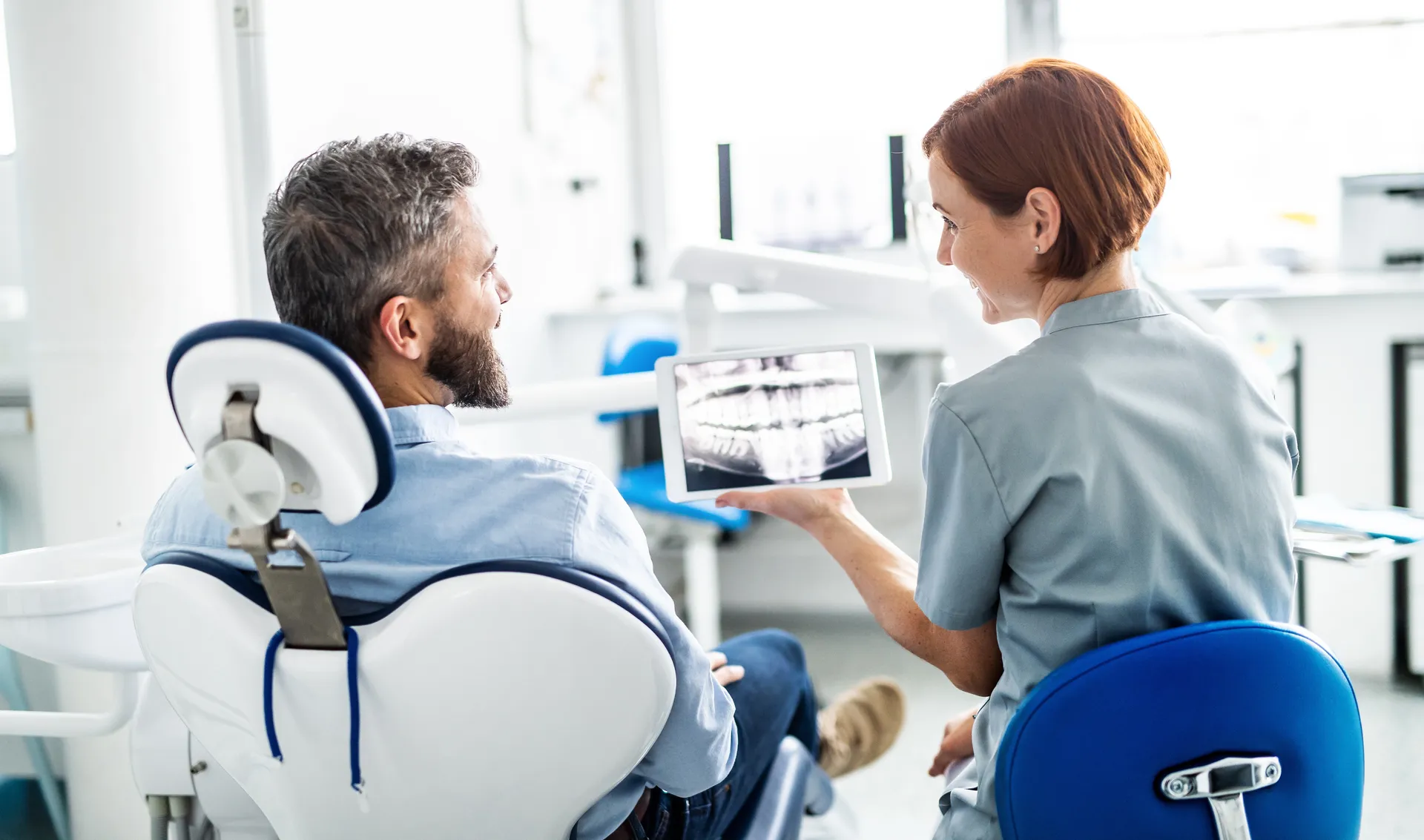
Digital X-rays and 3D imaging can help the dentist understand the available bone and identify the proposed implant positions.
2. Implant Placement
The four implants are placed according to the treatment plan.
In appropriate cases, the implants can be loaded with a temporary fixed restoration shortly afterward.
Whether immediate loading is suitable depends on factors such as implant stability and the patient's clinical situation.
3. Healing and Integration
The jawbone needs time to integrate with the implants.
During this period, the temporary restoration may remain in place while the implants heal.
Your dentist will provide instructions about diet, cleaning and activity during this stage.
4. Final Restoration
After healing and evaluation, the temporary teeth can be replaced with the planned final full-arch restoration.
The final prosthesis is designed around the patient's bite, appearance, function and implant position.
Can You Get Teeth on the Same Day?
Some patients can receive a temporary fixed bridge on the day of implant surgery.
This is often called immediate loading.
However, same-day teeth do not mean that the implants have completely healed on that day.
The implants still require biological healing and integration with the surrounding bone.
Patients may also be advised to follow a softer diet during the healing period to reduce stress on the implants.
Whether immediate loading is appropriate must be determined by the treating dental team.
What Does All-on-4 Cost in 2026?
The cost varies considerably by provider, location, materials, diagnostic requirements and additional treatment.
CareCredit's April 2026 data lists a national average of $15,176 for All-on-4 dental implants, with a reported range of $11,640 to $27,500.
The published figure should be treated as a reference rather than a personalized treatment quote.
Your final cost may be affected by:
- Extractions
- Bone grafting
- Imaging
- Sedation
- Implant components
- Temporary teeth
- Final prosthesis materials
- Additional implants
- Follow-up treatment
CareCredit's current dental pricing data lists $29,980 as the average cost for All-on-6 and $12,474 for 3-on-6 treatment, providing useful comparison points when reviewing different full-arch approaches.
Ask for a written treatment estimate that identifies exactly what is included before comparing prices between offices.
Does All-on-4 Help Preserve Jawbone?
Tooth loss causes changes in the jawbone because the natural tooth roots are no longer stimulating the surrounding bone in the same way.
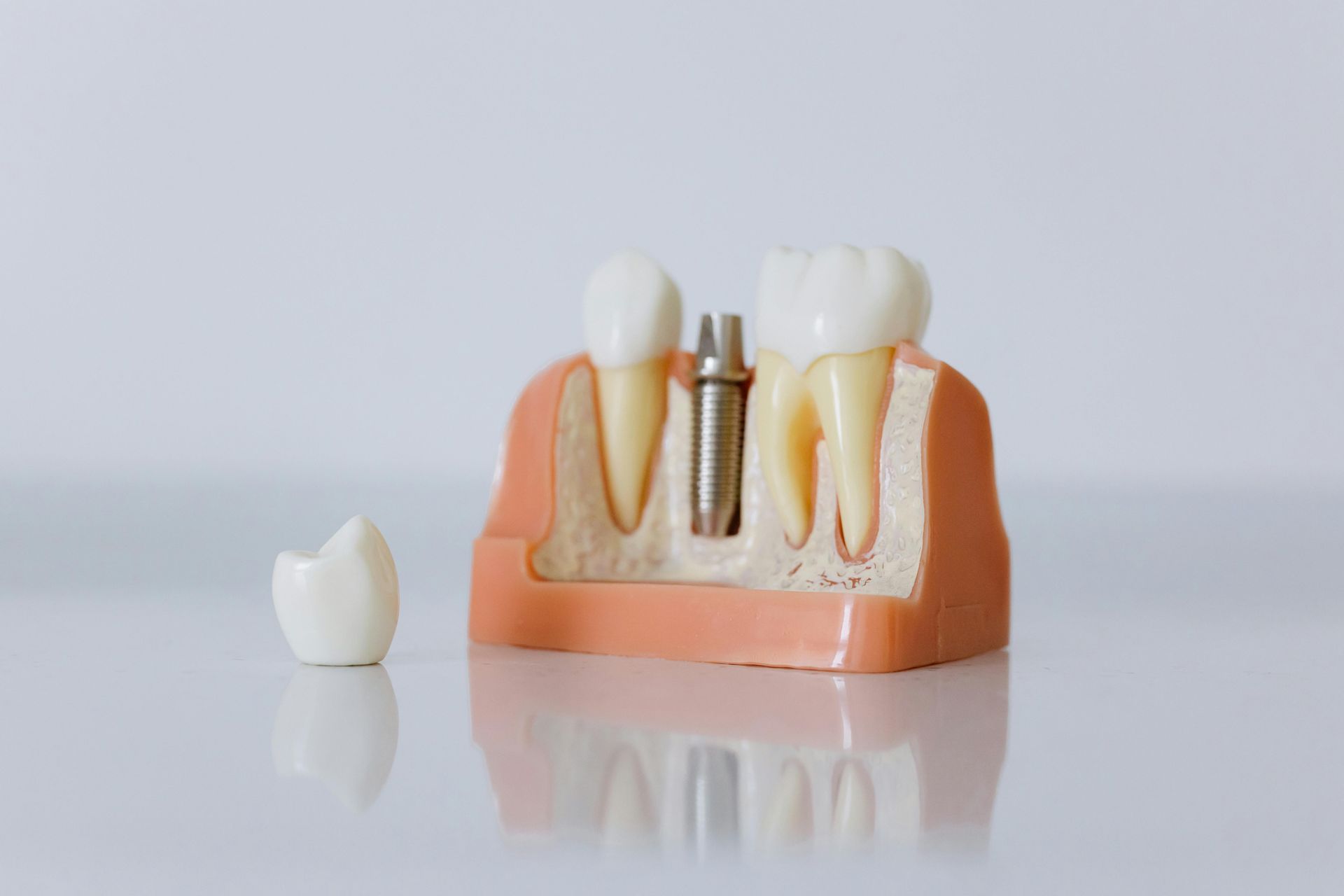
Dental implants provide a root-like anchor within the jaw.
This can help maintain bone around the implant, although it does not prevent every form of bone change throughout the jaw.
The long-term health of the tissues surrounding implants also depends on oral hygiene, professional maintenance and management of risk factors.
How Do You Clean All-on-4 Teeth?
Fixed does not mean maintenance-free.
A daily cleaning routine is still important.
Depending on the restoration, your dentist may recommend:
- Brushing twice a day
- Cleaning underneath the bridge
- Water flossing
- Specialized floss or threaders
- Interdental cleaning tools
- Professional maintenance appointments
The exact cleaning method should be demonstrated by your dental team because the space beneath a full-arch bridge can vary from one restoration to another.
Can All-on-4 Implants Fail?
Yes.
Although current evidence shows high implant survival rates, no implant treatment has a zero-risk outcome.
Potential complications can include:
- Infection around an implant
- Implant failure
- Peri-implant disease
- Mechanical problems
- Prosthetic fracture or wear
- Bone loss
Smoking, poor oral hygiene, uncontrolled diabetes and heavy grinding can increase certain risks.
Regular maintenance allows the dental team to monitor the implants, surrounding tissues and restoration over time.
How Does Spark Dental Plan All-on-4 Treatment?
At Spark Dental, treatment planning begins with an assessment rather than assuming that every full-arch patient needs the same configuration.
Digital imaging and intraoral scanning can help evaluate the available bone and plan implant positions.
The treatment process may involve:
- Initial examination
- Digital imaging
- Treatment planning
- Implant placement
- Temporary restoration where appropriate
- Healing and follow-up
- Final full-arch restoration
- Ongoing maintenance
The goal is to build the treatment around the patient's anatomy and dental needs.
Frequently Asked Questions
Is All-on-4 better than All-on-6?
Current evidence does not support a universal winner. A 2026 systematic review of 55 studies found broadly similar implant survival between All-on-4 and All-on-6, although the results varied by follow-up period and the review noted heterogeneity among studies.
How long do All-on-4 implants last?
Implant survival can remain high over many years, but longevity varies between patients. The 2026 meta-analysis reported 98.14% pooled implant survival at five years or longer for All-on-4.
Can I get All-on-4 after wearing dentures for years?
Possibly. Long-term denture use does not automatically rule out implant treatment. The amount and location of remaining bone need to be assessed with dental imaging.
Do All-on-4 implants require bone grafting?
Not always. The angled posterior implant design can allow treatment to use available bone in selected cases. However, some patients may still require grafting or another treatment approach.
How much does All-on-4 cost in 2026?
CareCredit reports an average U.S. cost of $15,176, with a published range of 11,640–27,500. Actual treatment costs vary by patient and provider.
Can I eat normally with All-on-4 teeth?
The goal of a fixed full-arch restoration is to provide functional replacement teeth, but eating recommendations can change during healing. Your dentist will tell you when and how to progress your diet after implant placement.
Are All-on-4 implants painful?
The surgical procedure is performed with anesthesia, so patients should not experience normal surgical pain during placement. Soreness, swelling or discomfort can occur afterward, and your dental team can provide individualized post-operative instructions.
Find Out Whether All-on-4 Fits Your Treatment Plan
All-on-4 can be an effective full-arch implant approach for appropriately selected patients, but the latest evidence does not support describing it as the universal “best” solution.
The decision should account for bone availability, gum health, medical history, oral habits, restoration preferences and long-term maintenance.
Spark Dental provides full-arch implant consultations for patients in North Richland Hills, Richland Hills, Hurst, Bedford, Haltom City, Watauga, Colleyville and Fort Worth.
Dr. Deepika Verma and the Spark Dental team can evaluate your teeth, gums and available bone and discuss fixed and removable alternatives.
Call (817) 962-7072 or schedule your consultation online at Spark Dental, 7259 Boulevard 26, North Richland Hills, TX.