The Denture Price Ladder: From a $500 Plate to a $15,000 Implant Arch

Dr. Deepika Verma
Dr. Deepika Verma is a dentist serving the DFW, TX community. A graduate of New York University with a residency at New York Hospital Queens, she is a member of the American Dental Association and is passionate about patient-first, lifelong dental health.
Connect with Dr. Deepika Verma
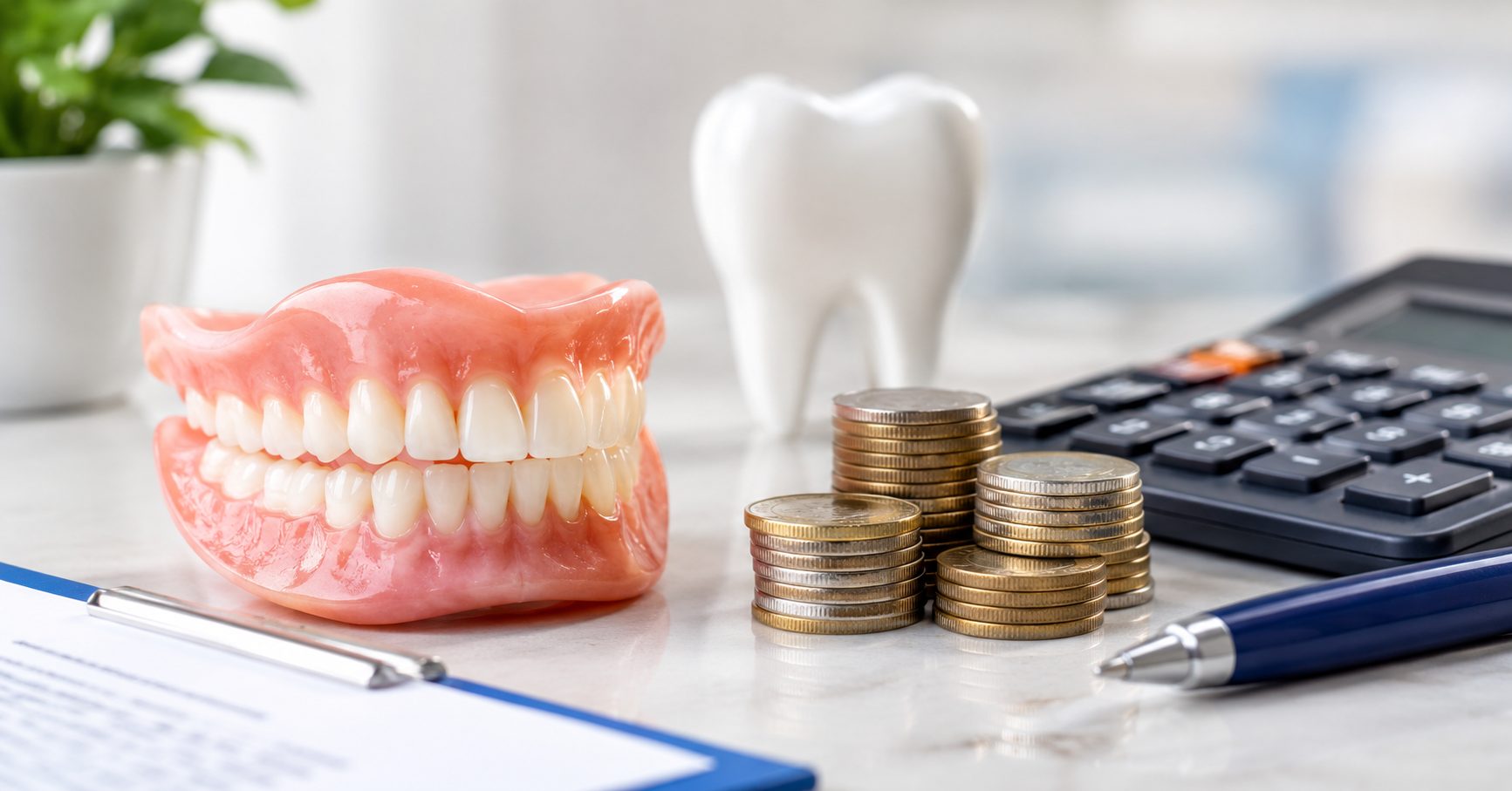
A full denture runs $500 to $3,600 per arch depending on material tier, a partial runs $1,300 to $4,200, and an implant-supported arch runs $6,200 to $15,000 or more with the posts included. The Senior List's July 2026 cost guide prices the implant appliance alone at $3,000 to $7,300 before any posts enter the bill.
Those numbers only become useful once you know what sits inside them and what gets billed around them. So instead of listing sticker prices, this guide walks the whole ledger: the appliance, the prep work, and the upkeep that decides what you truly spend.
Spark Dental turns these national ranges into one itemized number for your mouth: call (817) 962-7072 or book a consultation online to get yours.
Every Denture Quote Is Three Numbers, Not One
A complete denture budget has three parts: the appliance price, the preparation work before it, and the upkeep after it, and most advertised prices show only the first.
The appliance price is also quoted per arch, not per mouth. A "$499 denture" promotion covers one plate, so restoring both jaws roughly doubles that figure before anything else is added.
Preparation is its own line. Failing teeth must come out first, and the ASQ360° cost study published by CareCredit in 2023 and 2024 puts a simple extraction at about $177 per tooth and an exam with X-rays at about $203. An immediate denture, placed the same day teeth are removed, runs $1,800 to $3,000 per arch and still needs a reline or remake once the gums finish healing, which makes it a bridge cost, not a final one.
So How Much Are Dentures, Type by Type?
Dentures climb a clear price ladder, from a $500 economy plate to a fixed implant arch above $15,000, and each rung buys something specific.
| Denture Type | Per-Arch Price | What the Money Buys | Fits Best When |
|---|---|---|---|
| Economy full denture | $500 to $1,200 | Basic acrylic and stock teeth in standard shades | Budget is the deciding factor, and adjustments are expected. |
| Conventional full denture | $1,500 to $2,500 | Custom impressions, better acrylic, more natural shading | An arch is already fully edentulous, and gums have healed. |
| Premium full denture | $2,000 to $3,600 | High-grade teeth, stain resistance, precision fit | You want the closest match to natural enamel without surgery. |
| Resin-base partial | $1,333 to $3,283, averaging $1,738 | Acrylic base with metal clasps on remaining teeth | Several healthy teeth remain, and cost matters most. |
| Flexible nylon partial | Between the resin and metal tiers | Gum-colored clasp arms, lighter feel, discreet look | Comfort and appearance outrank maximum lifespan |
| Cast metal partial | Averaging $2,229, up to $4,203 | A precision-fitted framework that lasts and adjusts for years | You want the most durable removable partial available. |
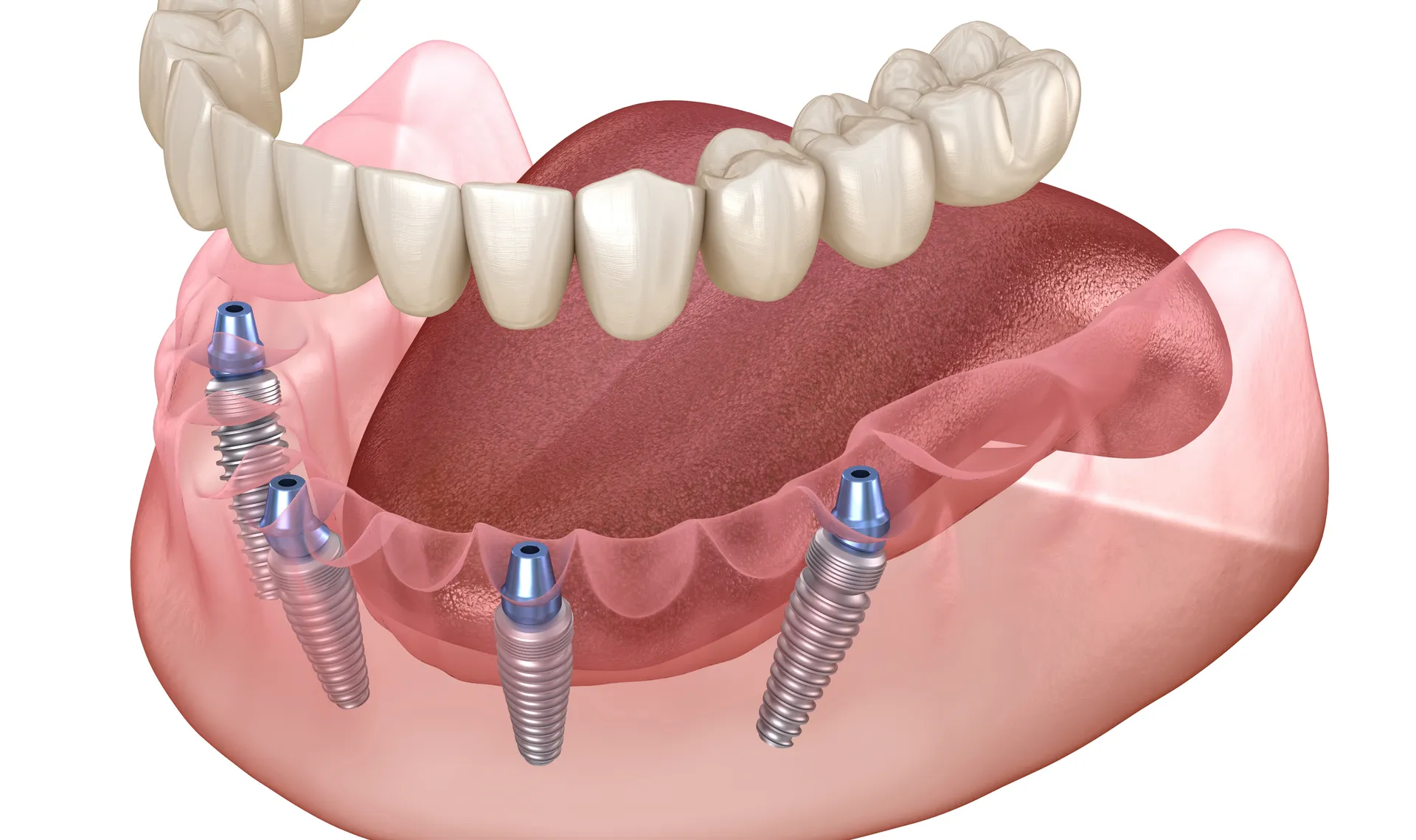
| Snap-in implant denture | $6,200 to $11,700 on two implants | Posts, attachments, and a removable arch that stops slipping | Bone can hold two implants, and you want stability with easy cleaning |
| Fixed implant-supported arch | $8,000 to $15,000 or more | Four or more implants carrying a non-removable arch | You want the closest thing to fixed natural teeth. |
The full-denture tiers reflect 2026 per-arch benchmarks published in May 2026, the partial averages come from the same CareCredit study, and the implant figures follow The Senior List's July 2026 guide. Fit descriptions are general patterns, not diagnoses: which rung suits your mouth is an exam question, and you can see how we build each appliance on our full and partial denture services
page.
The Decade Math: Why the Cheapest Plate Rarely Stays Cheapest
Over ten years, a bargain denture and a mid-priced implant denture often end up costing similar money, because upkeep runs on different clocks for each type.
A removable full denture needs a reline of $200 to $600 every one to two years, per MedicalCostInfo's March 2026 pricing data, and a full replacement around years five to seven. A snap-in implant denture swaps its small attachment inserts every year or two and typically gets a new arch near year ten, while a fixed arch mostly needs professional cleanings and occasional prosthetic maintenance.
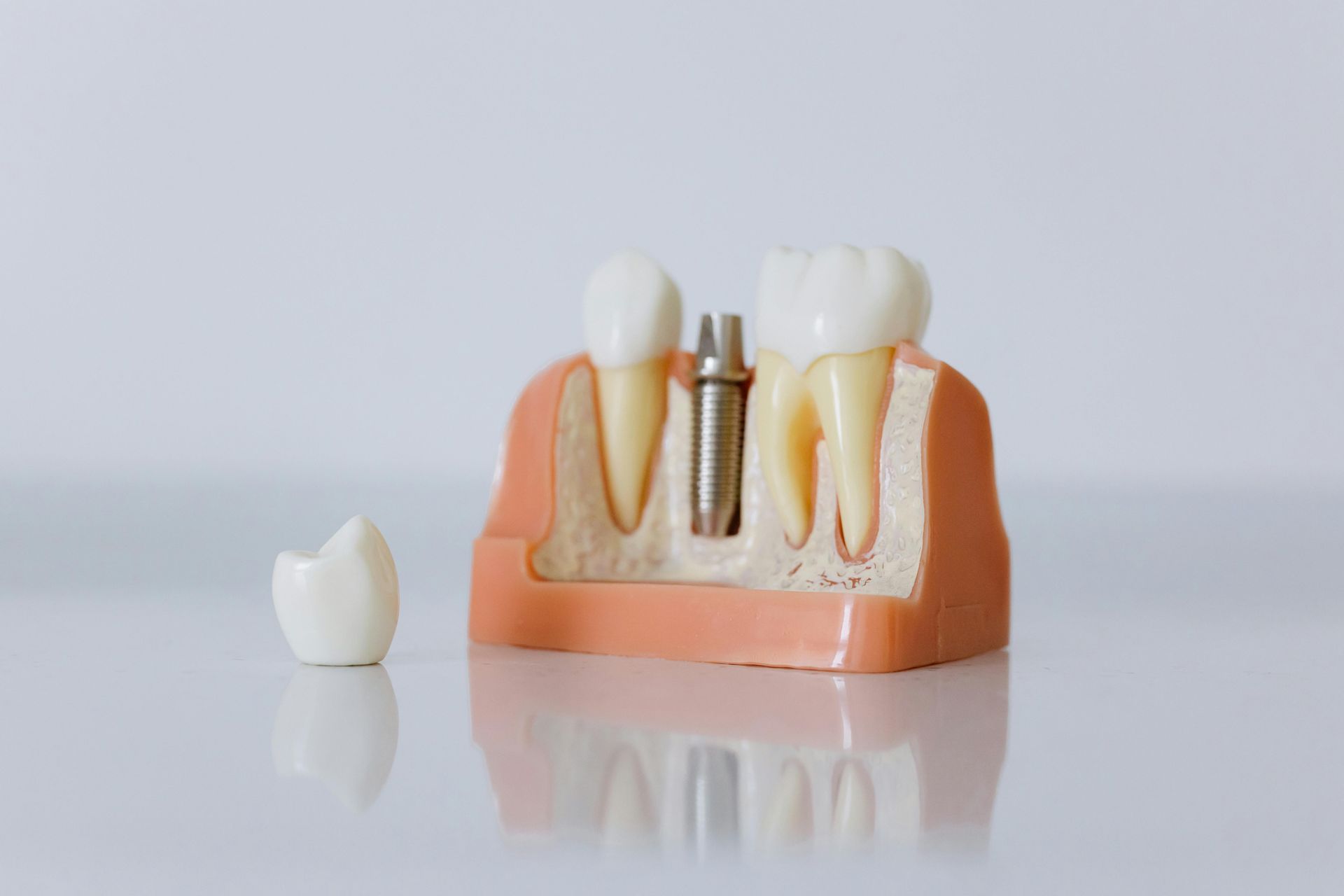
The reason the clocks differ is biological. Dental implants load the jawbone the way natural roots do, which slows the bone shrinkage that keeps forcing a traditional plate out of fit. That is also why a credible implant-denture quote comes after digital X-rays and 3D mapping, not before: enough bone has to be present, or grafted, for the posts to hold.
Add the columns and the ranking shifts. A $1,900 conventional denture carrying a reline habit and a year-six remake can approach the lifetime spend of a snap-in arch that started at three times its price.
Will Insurance, an HSA, or Medicare Help Pay?
Dental insurance usually treats dentures as major restorative work and pays 40 to 50 percent after the deductible, but an annual maximum of $1,000 to $2,500 caps what any plan contributes in a single year. Waiting periods and a five- to eight-year frequency limit between replacements are common, so the real move is a pre-treatment estimate: your dentist submits the plan to your insurer, and the insurer states its share in writing before you commit.
Original Medicare pays nothing toward dentures, while some Medicare Advantage plans include a dental allowance that offsets part of the bill, and state Medicaid coverage for adult dentures varies widely. Dentures also count as an IRS-eligible medical expense, so HSA or FSA dollars cut the true cost by your tax rate, and our financial options page covers spreading the remaining balance across monthly payments. Confirm every figure in writing with both your insurer and your dental office, because plan rules change by employer and state.
Getting an Exact Number at Spark Dental
We price the mouth in front of us, not a menu. Every denture case at our North Richland Hills office starts with an exam, digital X-rays, and 3D mapping and ends with a written, itemized estimate that Dr. Deepika Verma reviews with you before any treatment is scheduled.
Because full and partial dentures, dental implants, and full-arch implant treatment all happen under one roof at Spark Dental, the quote covers every stage without a second office or a second bill. Patients reach us from across the Mid-Cities, including Richland Hills, Hurst, Bedford, Watauga, Haltom City, Fort Worth, and Colleyville, and if you are still weighing a bridge or a single implant against a denture, our guide to how dentures stack up against every other tooth replacement option runs the same plain-number comparison across all of them.
Denture Cost Questions Patients Ask Next
Is it cheaper to get upper and lower dentures at the same time?
Not on the appliance line, because dentures are priced per arch, so two arches roughly double that fee. One combined treatment plan does share the exam, imaging, and fitting visits, which trims the surrounding costs. Ask for the one-arch and two-arch versions quoted side by side before deciding.
How much do extractions add before a full denture?
The CareCredit cost study puts a simple extraction near $177 per tooth, so clearing eight failing teeth adds roughly $1,400 before the denture itself is priced. Surgical extractions, impacted teeth, and sedation raise that figure, which is why extractions belong in your written estimate from the start.
Do flexible partial dentures cost more than metal ones?
Usually not. Flexible nylon partials sit between resin partials, which average $1,738, and cast metal frameworks, which average $2,229, so the flexible tier buys comfort and a discreet look rather than maximum durability. A metal framework still lasts longest and accepts years of clasp adjustments and repairs.
Can you pay for dentures with an HSA or FSA?
Yes. Dentures qualify as an IRS-eligible medical expense, so pre-tax HSA or FSA dollars pay for the appliance, the extractions, and the exams around it, which lowers your true cost by your tax rate. Check your balance and your plan administrator's claim rules before treatment begins.
How often do snap-in denture attachments need replacing?
The small insert that clips the denture onto each implant wears out every one to two years, and swapping it is a quick, low-cost appointment rather than a remake. Budget for those inserts the way conventional denture wearers budget for relines, and the arch itself lasts far longer.
Ready to Swap National Ranges for Your Own Numbers?
The only denture price that matters is the one written for your mouth after an exam, and getting it costs you a phone call. Call Spark Dental at (817) 962-7072, visit us at 7259 Boulevard 26, North Richland Hills, TX 76180, or book your consultation online, and Dr. Verma will map every denture path, from a first plate to a fixed arch, with its complete cost on a single page.