Dentures by the Numbers: Upfront Prices, Hidden Extras, and Lifetime Spend

Dr. Deepika Verma
Dr. Deepika Verma is a dentist serving the DFW, TX community. A graduate of New York University with a residency at New York Hospital Queens, she is a member of the American Dental Association and is passionate about patient-first, lifelong dental health.
Connect with Dr. Deepika Verma
Dentures come in three price tiers. A traditional full denture runs $1,500 to $3,600 per arch, a partial falls between $1,300 and $4,200, and an implant-supported arch starts around $6,200 and climbs past $15,000. Nationally, cost data published by CareCredit stretches the removable range even further, from a $452 economy plate to a $6,514 premium set.
Why can two patients walk out of the same office with quotes thousands of dollars apart? Because the number on the estimate reflects the material chosen, whether one or both arches are involved, and how much work the mouth needs before a denture can even be made. Each of those variables is unpacked below, type by type, so that no line on a quote is a mystery.
How Much Do Full Dentures Cost per Arch?
Start with the word “arch.” Dental offices price dentures per plate, upper or lower, almost without exception. That means a “$499 denture” billboard is advertising half a mouth, and a complete set comes close to twice the figure. Keep that in mind while reading any range, including the ones here.
For a single arch, 2026 per-arch pricing benchmarks published in May 2026 put a conventional full denture at $1,500 to $2,500, an economy plate at $500 to $1,200, and a premium custom denture at $2,000 to $3,600. CareCredit’s national spread of $452 to $6,514 comes from a study ASQ360° ran for Synchrony during 2023 and 2024.
An immediate denture is a special case. It goes on the day the teeth are extracted, costs $1,800 to $3,000 per arch, and carries a known follow-up: as the gums heal and shrink, the plate loosens and must be relined or rebuilt.
Where does the money go between a $500 plate and a $3,600 one? Into the acrylic base, the quality of the prosthetic teeth, and the hours spent on custom shading. Premium work holds color longer, fits tighter, and reads as natural enamel rather than plastic.
Finally, separate the denture from everything that precedes it. Extractions are billed on their own line, as are the exam and X-rays that any properly fitted appliance requires. If several teeth need to come out first, your real total is the denture plus all of that.
How Much Do Partial Dentures Cost?
With partials, the surprise is what does not drive the price. Replacing three teeth versus seven usually shifts the quote by only a few hundred dollars, because the framework and the lab fabrication account for the bulk of the fee, not the tooth count.
The framework material is the real variable. The ASQ360° cost study published by CareCredit averages resin-based partials at $1,738, within a $1,333 to $3,283 range, and cast metal partials at $2,229, reaching as high as $4,203. Flexible nylon typically sits between them.
Each material carries a trade-off. Acrylic is the cheapest and the bulkiest. Cast metal costs more but wears longer and locks onto neighboring teeth with precision clasps. Flexible nylon drops the metal clasps in favor of gum-colored arms, which many patients find more comfortable and harder to spot.
Longevity enters the equation too. A metal frame can be adjusted repeatedly over its lifetime, whereas a fractured acrylic base is often cheaper to remake than to repair. Our full and partial denture services page explains how each type is designed and fitted.
What Do Implant-Supported Dentures Cost?
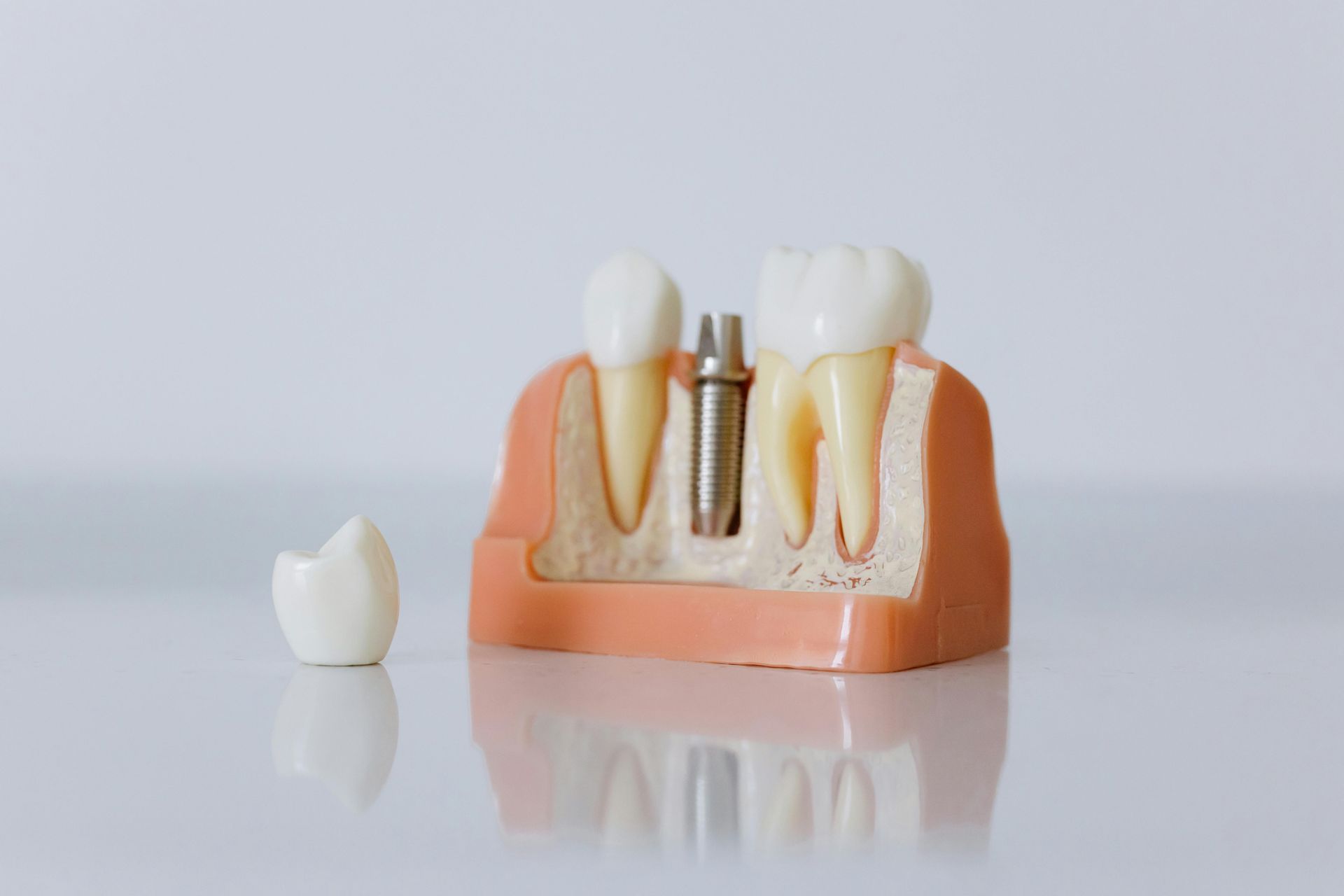
An implant-supported denture is really two purchases: the appliance and the titanium posts that hold it. The Senior List’s July 2026 denture cost guide prices the denture component at $3,000 to $7,300, with each standard implant adding $1,600 to $2,200. Combine them and a finished arch runs roughly $6,200 to $15,000 or more.
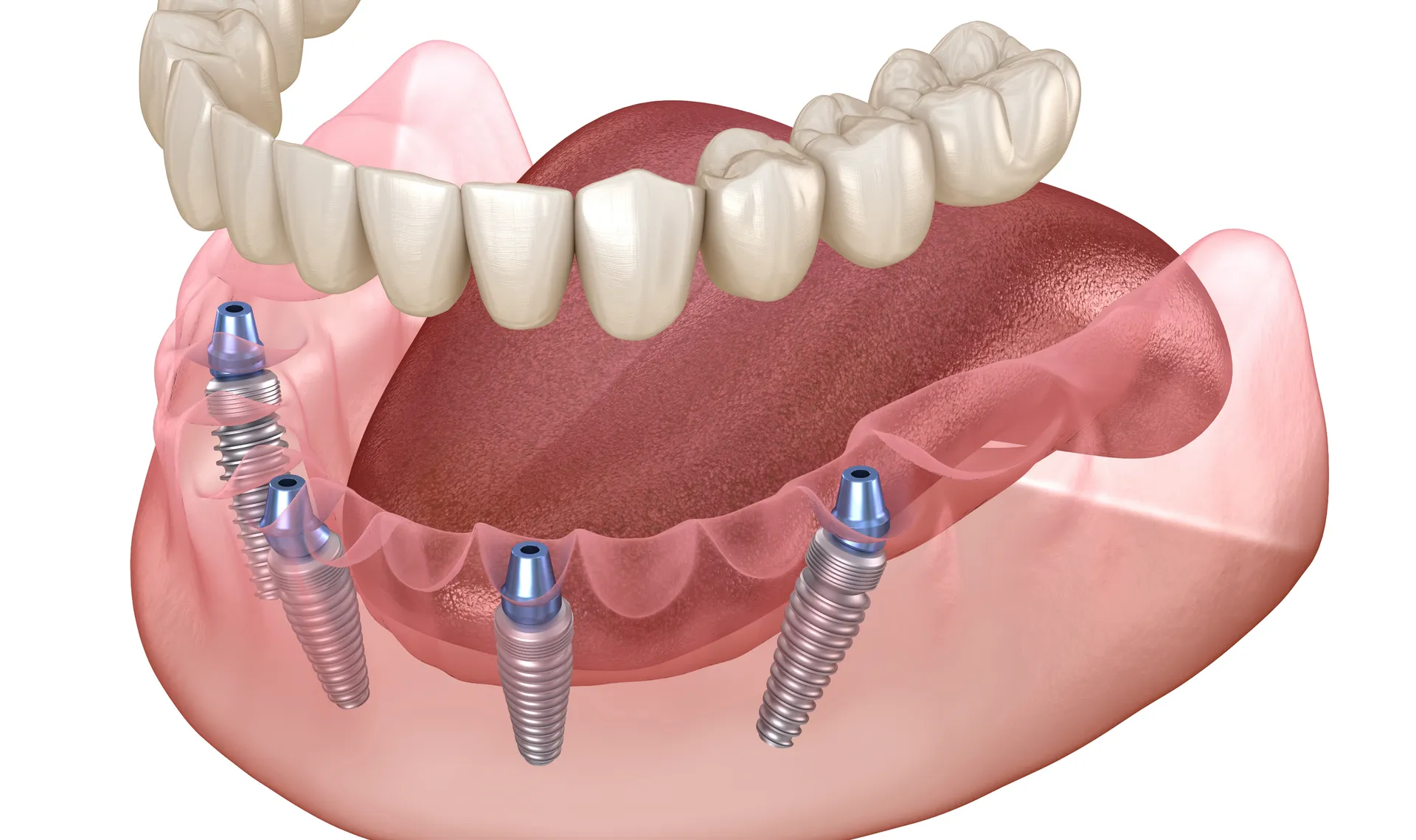
The configuration sets the total. Two implants supporting a snap-in denture come to about $6,200 to $11,700. Four implants push the figure up by several thousand dollars. A fixed, non-removable arch of the kind used in All-on-4 implant treatment generally lands at $8,000 to $15,000 or higher per arch.
The higher price buys surgery, 3D treatment planning, and hardware that behaves like tooth roots. The denture stops moving, bite strength increases dramatically, and the implants keep the jawbone stimulated, which slows the bone shrinkage that forces conventional denture wearers into repeated relines.
Bone volume determines eligibility. Where it is lacking, grafting comes first, which is why a serious implant quote is written after the 3D scan, not before it.
What Does a Denture Quote Include, and What Costs Extra?
Most quotes cover the appliance and stop there. Extractions, imaging, temporary dentures, and future relines appear as separate charges or not at all. To see the full financial picture, the comparison has to run across a decade of ownership, which is what the table below does.
| Denture type | Typical upfront price (per arch) | Usually billed separately | Typical ongoing costs, years 1 to 10 |
|---|---|---|---|
| Conventional full denture | $1,500 to $2,500 | Simple extractions (roughly $177 per tooth), exam with X-rays (roughly $203), temporary denture | A $200 to $600 reline every 1 to 2 years, then a full replacement around years 5 to 7 |
| Cast metal partial denture | $2,229 average | Extractions, exam and imaging, clasp adjustments | Occasional relines and clasp repairs, replacement around years 5 to 8 |
| Snap-in implant denture (2 implants) | $6,200 to $11,700 | Bone grafting where needed, sedation, 3D imaging | New attachment inserts every 1 to 2 years, new appliance around year 10 |
| Fixed implant-supported denture | $8,000 to $15,000+ | Extractions, grafting, sedation | Professional cleanings and periodic prosthetic maintenance |
Read the last column carefully, because it inverts the ranking. MedicalCostInfo’s March 2026 pricing data puts a reline at $200 to $600, and a conventional denture needs one every year or two before being replaced outright within seven years. Add it up and the “cheap” denture can approach the lifetime cost of a snap-in implant denture that started at triple the price. The extraction and exam figures above come from the CareCredit study already cited.
How Can You Lower Your Out-of-Pocket Denture Costs?
Three tools cut the bill, and each one hits a different part of it.
- Dental insurance: Most private plans classify dentures as major restorative work and reimburse 40 to 50 percent after the deductible. The catch is the annual maximum, typically $1,000 to $2,500, along with waiting periods and a replacement limit of once every five to eight years. Have your dentist file a pre-treatment estimate with the insurer so the actual coverage amount is known before anything starts.
- Pre-tax accounts: Dentures count as an IRS-eligible medical expense, so paying through an HSA or FSA trims the real cost by your marginal tax rate.
- Monthly installments: Whatever remains can be spread across interest-free payments. Our financial options page and monthly payment plans cover the details.
A word on Medicare: Original Medicare pays nothing toward dentures, while some Medicare Advantage plans include a dental allowance that offsets a portion. Since benefits vary by plan, employer, and state, get every figure confirmed in writing by both the insurer and the dentist, and regard any quote given without an exam as a rough estimate.
Denture Pricing at Spark Dental in North Richland Hills
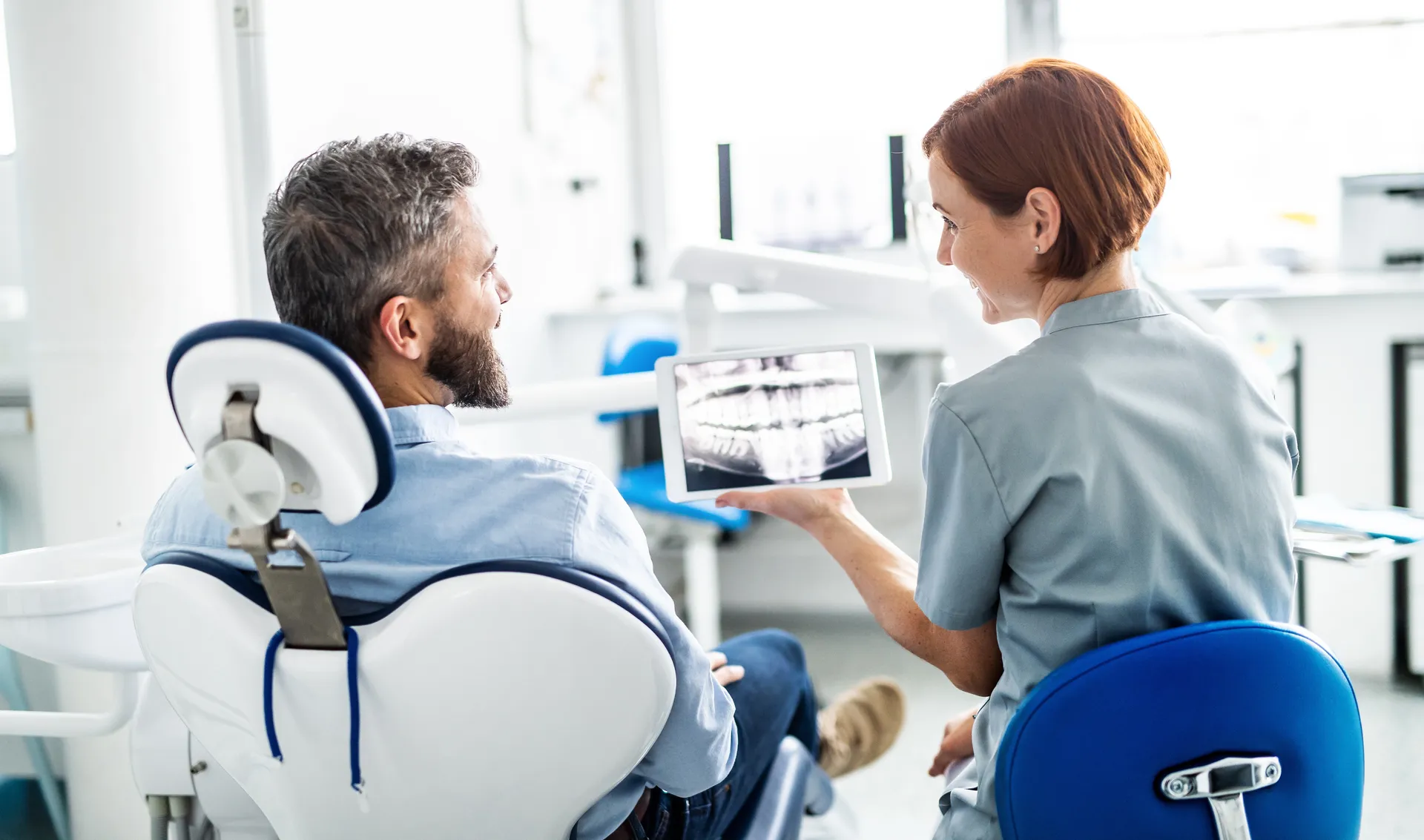
No one at Spark Dental receives a denture quote before an exam, digital X-rays, and an intraoral scan. Only then does Dr. Deepika Verma write an itemized estimate, and nothing proceeds until you have approved it. The reommendation follows the mouth, not a price list: how many teeth remain, how sound the gums and bone are, and which option, partial, full, or implant-retained, will last longest for you.
Because the practice handles dentures, implants, and All-on-4 cases under one roof, you deal with one team and one bill. Patients come from North Richland Hills as well as Richland Hills, Hurst, Bedford, Haltom City, Watauga, Fort Worth, and Colleyville. Still deciding between a denture, a bridge, or a single implant? Our side-by-side guide to every tooth replacement option and what each one costs compares them in the same plain-numbers format.
Common Questions About Denture Prices
Is a snap-in denture a cheaper route than a fixed implant arch?
It is. Two implants and a removable snap-in denture total about $6,200 to $11,700 per arch, while a fixed arch runs $8,000 to $15,000 or more. Fewer implants and a removable design are what keep the snap-in version less expensive.
What explains the price gap between partial dentures?
Mostly the framework. Resin partials average $1,738 nationally, cast metal averages $2,229 and can exceed $4,200 with precision attachments, and flexible nylon lands in between. Clasp design, tooth count, and lab quality fill in the rest.
Will Medicare help pay for dentures?
Original Medicare, Parts A and B, does not. Some Medicare Advantage plans include a dental allowance that covers part of the cost, and state Medicaid adult denture benefits vary considerably. Get your plan’s terms in writing before scheduling.
What does an immediate denture add to the cost?
The denture itself is $1,800 to $3,000 per arch, overlapping the upper end of conventional pricing, plus a built-in second expense. Healing gums shrink, so a reline or remake follows within months. Budget for both from the outset.
What is a realistic yearly maintenance budget?
Plan for a $200 to $600 reline every one to two years, small recurring costs for adhesives and cleansers, and the occasional repair. Since removable dentures need full replacement about every five to seven years, setting aside a few hundred dollars a year prevents a shock later.
Budget for Ten Years, Not for the Sticker Price
The denture that costs least at the counter is often not the one that costs least over time. A $1,900 full denture and an $8,000 fixed implant arch can end a decade far closer in total spend than their price tags suggest once relines, remakes, and replacements are tallied. So compare lifetime cost rather than upfront cost, insist on an itemized written quote, and bring your insurance card, your timeline, and your questions to the consultation. The right denture is the one you can afford to maintain.
For exact figures instead of national ranges, call Spark Dental at (817) 962-7072, visit 7259 Boulevard 26, North Richland Hills, TX 76180, or book your consultation online. Dr. Verma and the team will examine your mouth, verify your benefits, and put every denture path with its full cost on one page.
Disclaimer
The dollar amounts and price ranges in this article are national averages and estimates intended for educational purposes only. They are not exact or guaranteed treatment costs. Actual costs depend on clinical evaluation, individual oral health needs, insurance benefits, and the materials selected.