When a Tooth Needs Repair, Why Do Cosmetic Dentists in North Richland Hills Prefer Composite Fillings?

Dr. Deepika Verma
Dr. Deepika Verma is a dentist serving the DFW, TX community. A graduate of New York University with a residency at New York Hospital Queens, she is a member of the American Dental Association and is passionate about patient-first, lifelong dental health.
Connect with Dr. Deepika Verma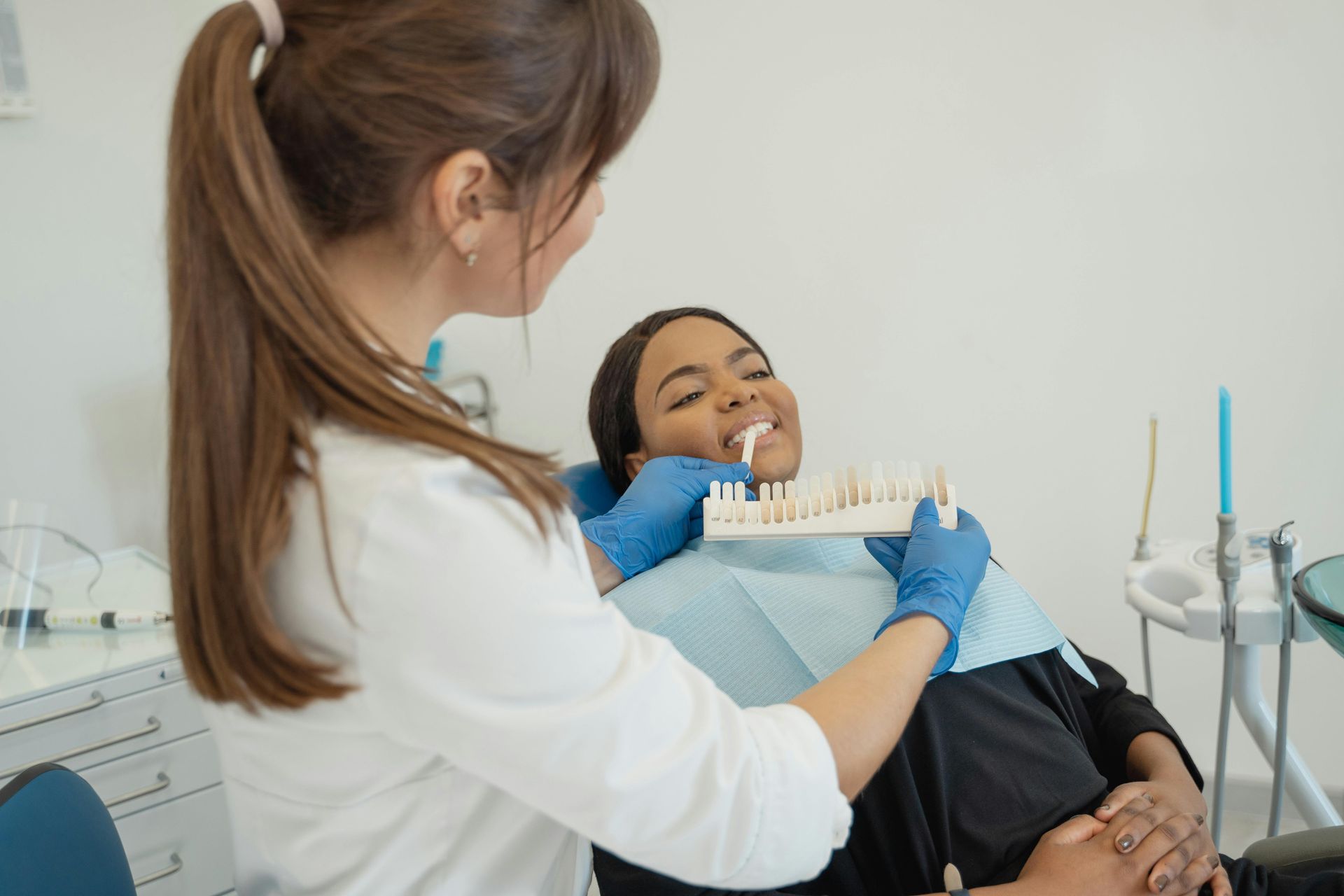
Tooth damage can happen in many ways. Cavities, small fractures, and worn enamel are common reasons patients need restorative care. When a tooth requires repair, the goal is not only to restore function but also to maintain a natural-looking smile.
As dental materials and techniques have improved, many cosmetic dentists in North Richland Hills now recommend composite fillings as a modern alternative to older metal restorations. Composite materials allow dentists to repair cavities while preserving both the structure and appearance of natural teeth.
At Spark Dental, we often discuss this option with patients who want a restoration that blends with their smile while still supporting long-term oral health. Understanding why composite fillings are frequently preferred can help patients make informed decisions about their dental care.
Understanding Composite Dental Fillings
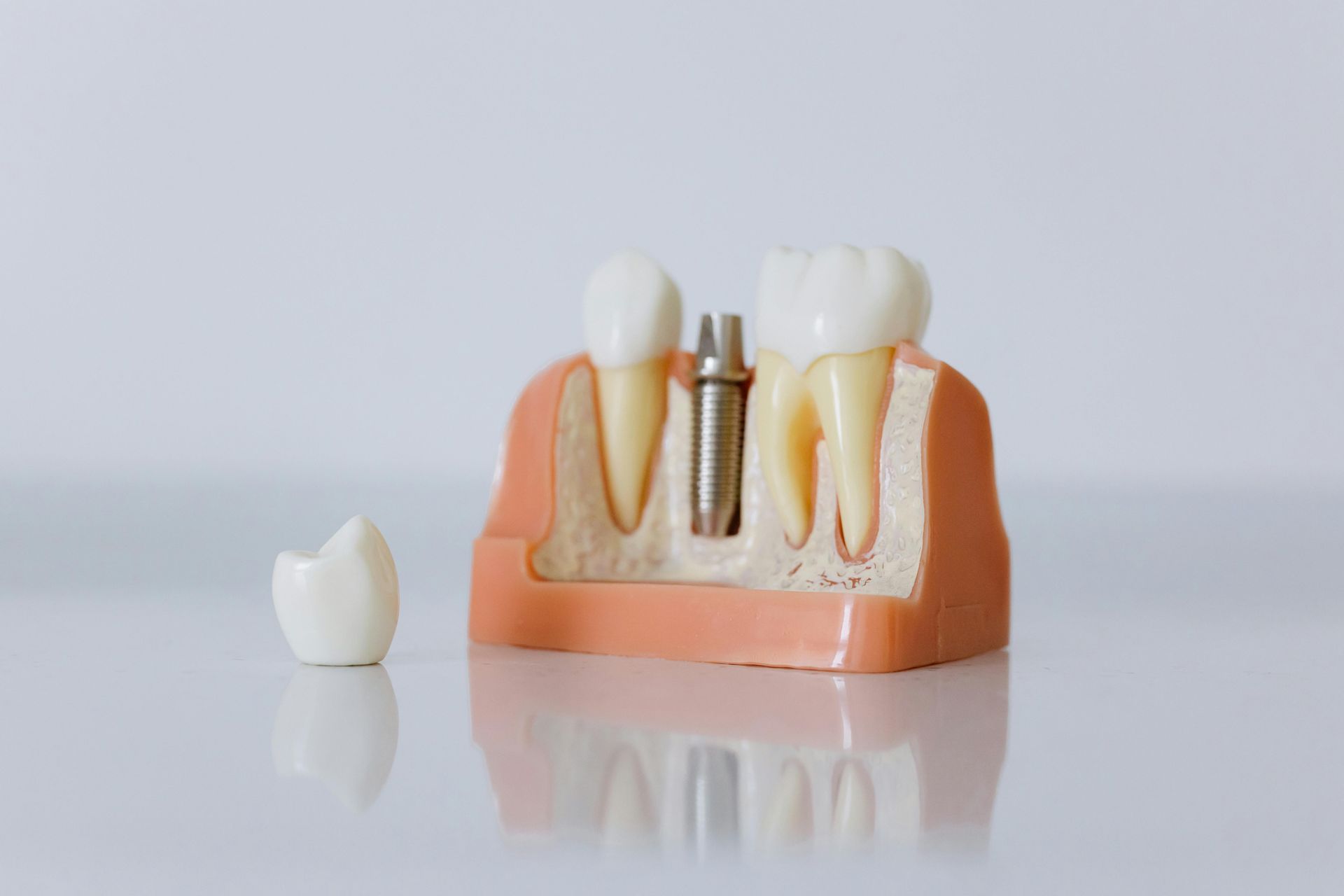
A composite dental filling used by Richland Hills dentists is made from a tooth-coloured resin that bonds directly to the natural tooth surface. Unlike traditional metal fillings, composite materials can be shaped and polished to match the surrounding tooth structure.
Composite fillings are commonly used to repair:
- Cavities caused by tooth decay
- Minor chips or cracks
- Worn enamel areas
- Small gaps between teeth
Because the material adheres directly to the tooth, it can help support the remaining structure while restoring function.
Aesthetic Benefits of Composite Fillings
One of the main reasons cosmetic dentists in North Richland Hills often recommend composite fillings is their natural appearance. Traditional amalgam fillings contain silver and other metals, which can stand out when a person smiles or speaks. Composite materials are designed to match the color of the surrounding tooth.
Advantages of composite fillings include:
- Tooth-colored appearance
- Seamless blending with natural enamel
- Minimal visual difference from surrounding teeth
For patients who care about the appearance of their smile, this can make a noticeable difference.
Preserving Natural Tooth Structure
Another reason composite fillings are frequently used is that they allow dentists to preserve more of the natural tooth. Metal fillings typically require removing additional healthy tooth structure to create space for the material. Composite materials bond directly to the tooth, allowing dentists to remove only the decayed portion.
This approach may help:
- Maintain stronger natural tooth structure
- Reduce unnecessary drilling
- Support long-term tooth stability
Many cosmetic dentists view preserving natural tooth structure as an important part of modern restorative care.
Supporting Both Function and Appearance
Cosmetic dentistry focuses not only on aesthetics but also on maintaining proper dental function. A well-placed composite dental filling, provided by Richland Hills dentists, can help restore a tooth's strength and shape, allowing patients to chew comfortably. Composite fillings are designed to withstand daily biting forces while maintaining their appearance. For many patients, this combination of function and aesthetics makes composite materials an appealing option.
Reduced Sensitivity to Temperature
Some patients with metal fillings experience sensitivity to hot or cold foods. Metal materials can expand and contract with temperature changes, which can cause discomfort in some cases. Composite fillings tend to respond differently to temperature shifts, which may help reduce this sensitivity for some patients. While individual experiences vary, many cosmetic dentists in North Richland Hills prefer materials that support both comfort and durability.
A Versatile Restorative Option
Composite materials are highly versatile and can be used in several types of dental repairs.
Dentists may recommend composite fillings for:
- Small to moderate cavities
- Front or visible teeth restorations
- Cosmetic bonding procedures
- Minor tooth shape corrections
This flexibility allows dentists to address both functional repairs and cosmetic improvements using the same material.
Supporting Modern Cosmetic Dentistry
Cosmetic dentistry has evolved significantly in recent years. Today's patients often expect dental restorations that look natural and support long-term oral health.
Composite materials align with these goals because they:
- Blend naturally with surrounding teeth
- Preserve natural tooth structure
- Support minimally invasive dental techniques
At Spark Dental, we often recommend composite fillings when they are appropriate for the patient's needs. Our goal is to help patients maintain both healthy teeth and confident smiles.
The Process of Getting a Composite Filling
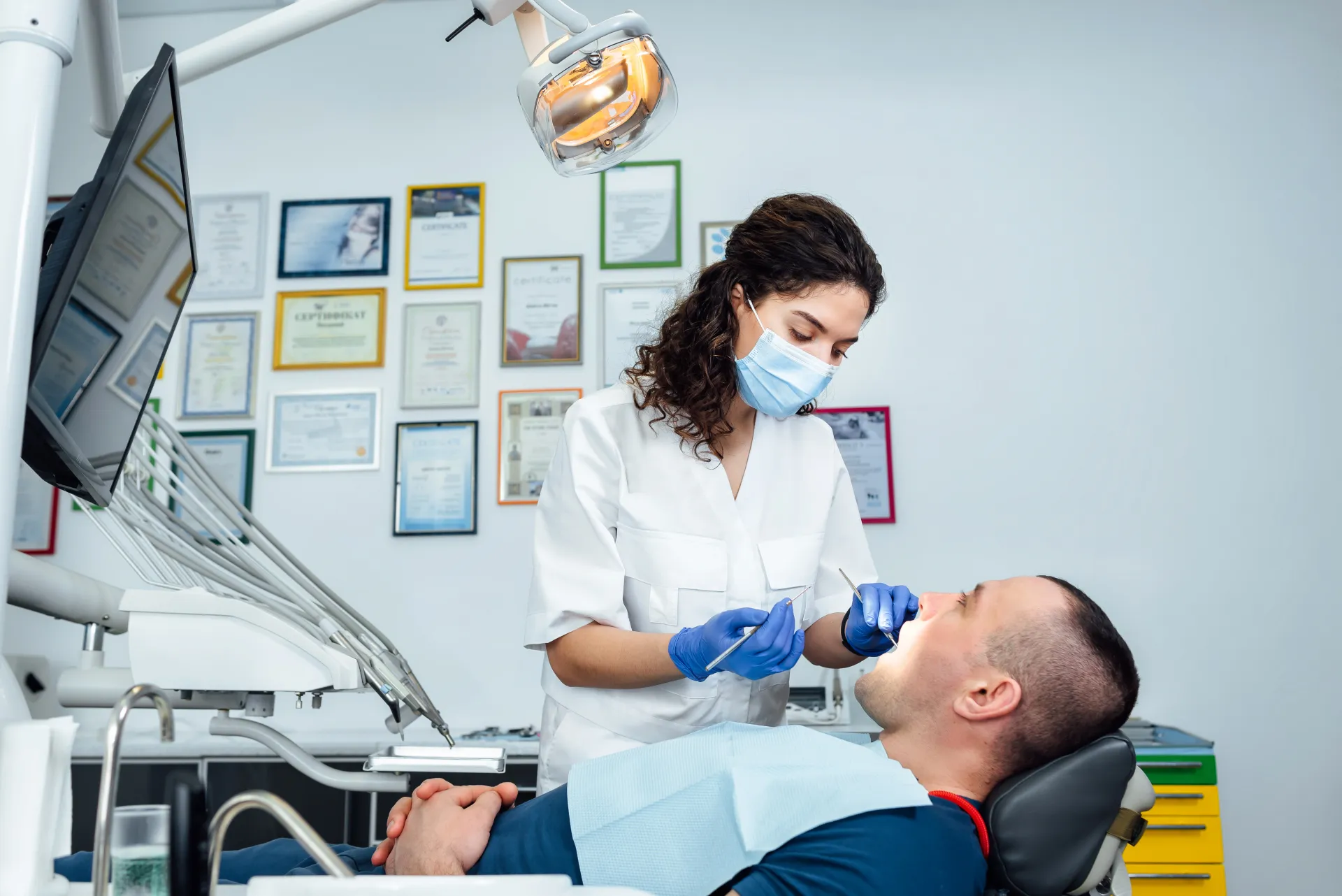
Receiving a composite filling is typically a straightforward procedure performed during a routine dental appointment.
The process generally involves:
- Removing the decayed portion of the tooth
- Cleaning the affected area
- Applying the composite resin material
- Shaping and curing the filling with a special light
- Polishing the filling to match the surrounding tooth
The final result is a restoration that blends naturally with the rest of the tooth.
Preventing Cavities and Tooth Damage
While composite fillings can repair cavities, preventive care remains the most effective way to protect teeth.
Preventive dental habits include:
- Brushing twice daily with fluoride toothpaste
- Flossing regularly
- Visiting the dentist for routine checkups
- Limiting sugary foods and drinks
Routine dental visits allow dentists to detect early signs of decay before more extensive treatment becomes necessary.
When a Filling Might Be Recommended
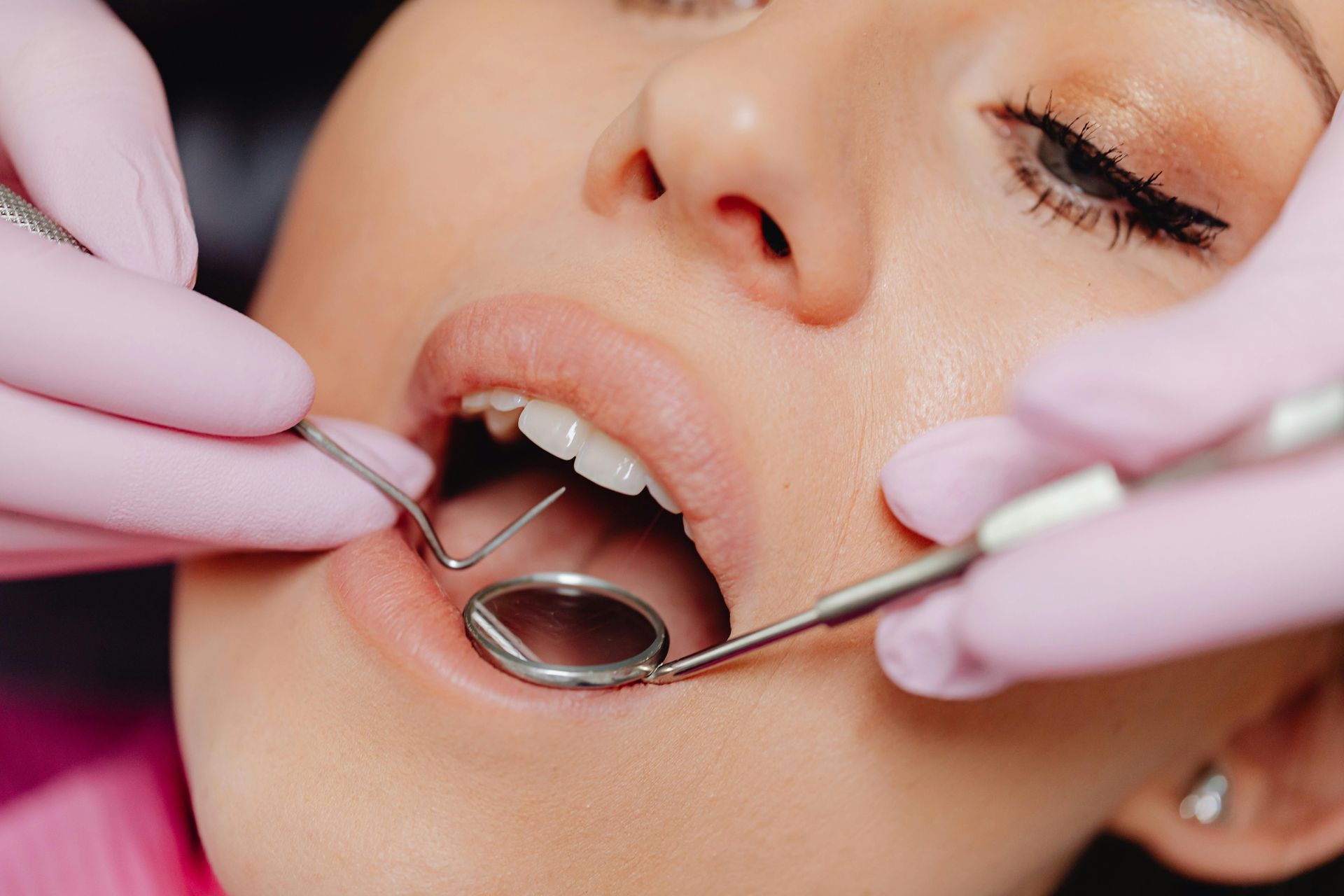
Patients sometimes wonder how dentists determine when a filling is necessary. Dentists may recommend a filling if they detect:
- Tooth decay during an exam
- Softened enamel caused by bacteria
- Minor cracks or structural damage
Treating small cavities early can help prevent more complex dental procedures later.
Cosmetic Dentistry in North Richland Hills
Patients today often want dental care that balances health, comfort, and aesthetics. Cosmetic dentistry addresses this balance by focusing on treatments that restore both appearance and function. When repairing cavities, cosmetic dentists in North Richland Hills often consider materials that support natural-looking results while maintaining durability. Composite fillings reflect this approach by combining restorative strength with cosmetic benefits.
A Modern Approach to Tooth Repair
Dental technology continues to evolve, giving dentists more tools to repair teeth while preserving natural structure. Composite fillings are one example of how restorative dentistry has advanced. By using tooth-colored materials that bond directly to enamel, dentists can repair damage while supporting both oral health and smile aesthetics.
At Spark Dental, our approach to restorative care focuses on helping patients understand their options so they can choose treatments that align with their goals and comfort. When a tooth needs repair, a composite dental filling provided by Richland Hills dentists may offer a balanced solution that supports both the tooth's health and the natural appearance of the smile.
FAQs
What is a composite dental filling?
A composite dental filling is a tooth-colored resin material used to repair cavities or minor tooth damage. It bonds directly to the tooth structure and is designed to match the natural color of surrounding enamel.
Why do cosmetic dentists in North Richland Hills prefer composite fillings?
Many cosmetic dentists in North Richland Hills prefer composite fillings because they blend with natural teeth and require less removal of healthy tooth structure compared to traditional metal fillings.
Are composite fillings durable?
Composite fillings are designed to withstand everyday chewing forces. With proper care and regular dental checkups, they can remain effective for many years, though longevity may vary depending on the size and location of the filling.
Does getting a composite dental filling hurt?
Most filling procedures are performed using local anesthesia to help minimize discomfort. Patients may experience mild sensitivity after the procedure, but this usually improves within a short period.
How can I prevent cavities that require fillings?
Maintaining good oral hygiene habits such as brushing twice daily, flossing, and attending routine dental checkups can help reduce the risk of cavities and the need for restorative treatments.