Do You Need a Dental Implant After Wisdom Tooth Removal

Dr. Deepika Verma
Dr. Deepika Verma is a dentist serving the DFW, TX community. A graduate of New York University with a residency at New York Hospital Queens, she is a member of the American Dental Association and is passionate about patient-first, lifelong dental health.
Connect with Dr. Deepika Verma
Wisdom teeth removal is one of the most common oral surgery procedures in the United States. Millions of patients undergo wisdom tooth extraction each year, often in their late teens or early twenties. Yet after the procedure, many people ask the same question: Do I need to replace that tooth with a dental implant?
At Spark Dental, we hear this concern often. Patients understandably worry about bone loss, shifting teeth, or long-term gaps. The answer, however, is usually reassuring. In most cases, a dental implant is not necessary after wisdom teeth removal. But there are exceptions, and understanding the difference matters.
Let's break it down clearly.
Understanding the Role of Wisdom Teeth
Wisdom teeth, also called third molars, sit at the very back of the mouth. Most adults develop four, though some have fewer. Historically, these teeth helped our ancestors chew coarse foods. Today, they serve little functional purpose. Modern diets and smaller jaw sizes often leave insufficient room for them to erupt properly.
This leads to:
- Impaction
- Crowding
- Gum inflammation
- Decay in hard-to-clean areas
- Infection
Because of these risks, dentists frequently recommend wisdom teeth removal before complications escalate.
Why Wisdom Tooth Extraction Is So Common
Wisdom tooth extraction is often preventive. Impacted or partially erupted third molars can create chronic issues, including:
- Recurrent gum infections
- Damage to adjacent molars
- Cyst formation
- Difficulty maintaining hygiene
According to national oral health data, approximately 85% of adults eventually require the removal of at least one wisdom tooth. Unlike other teeth, third molars rarely contribute meaningfully to chewing efficiency. That fact plays a major role in determining whether replacement is needed.
When Dental Implants Are Necessary
Dental implants typically replace teeth that play an essential role in:
- Biting
- Chewing
- Structural support
- Smile aesthetics
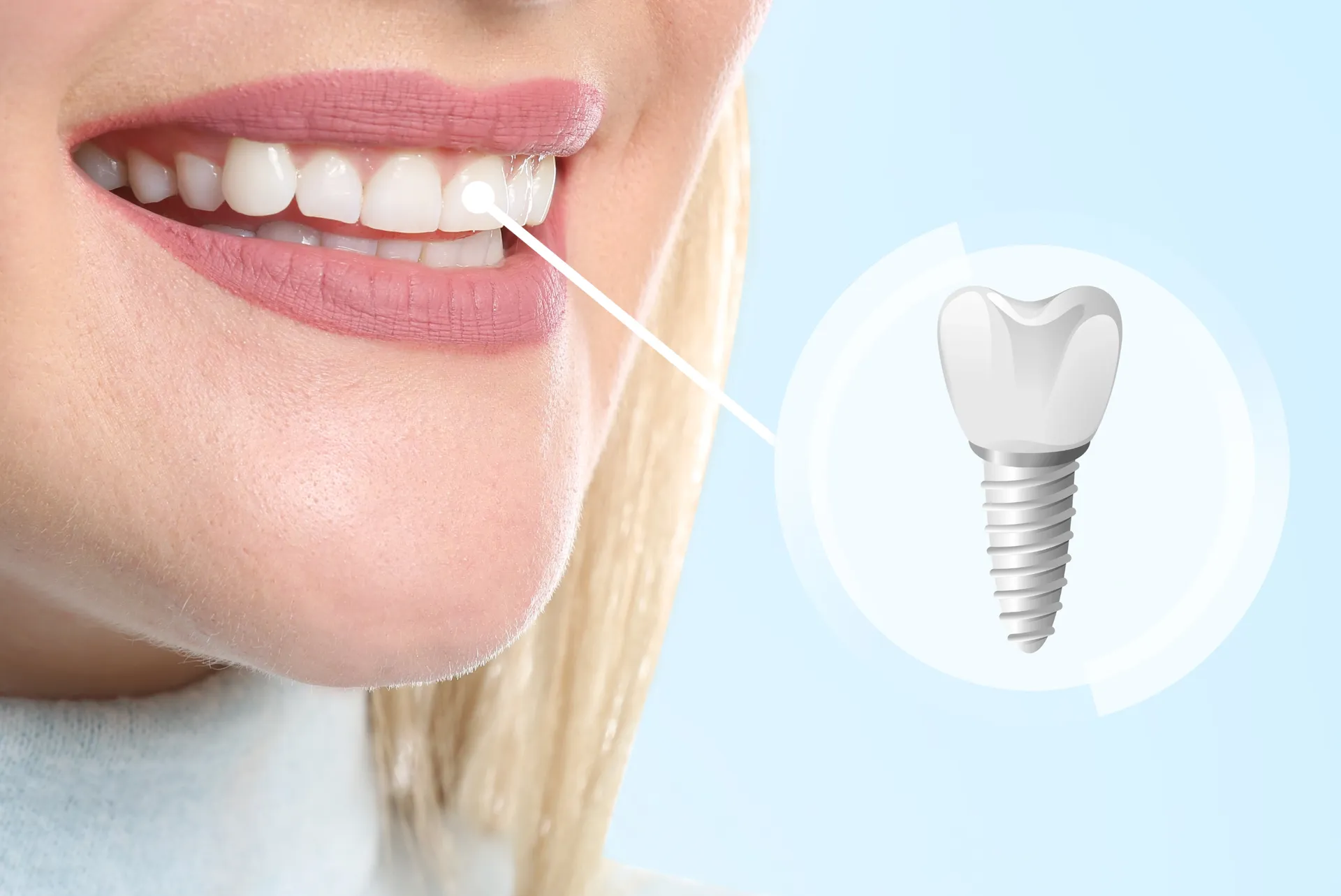
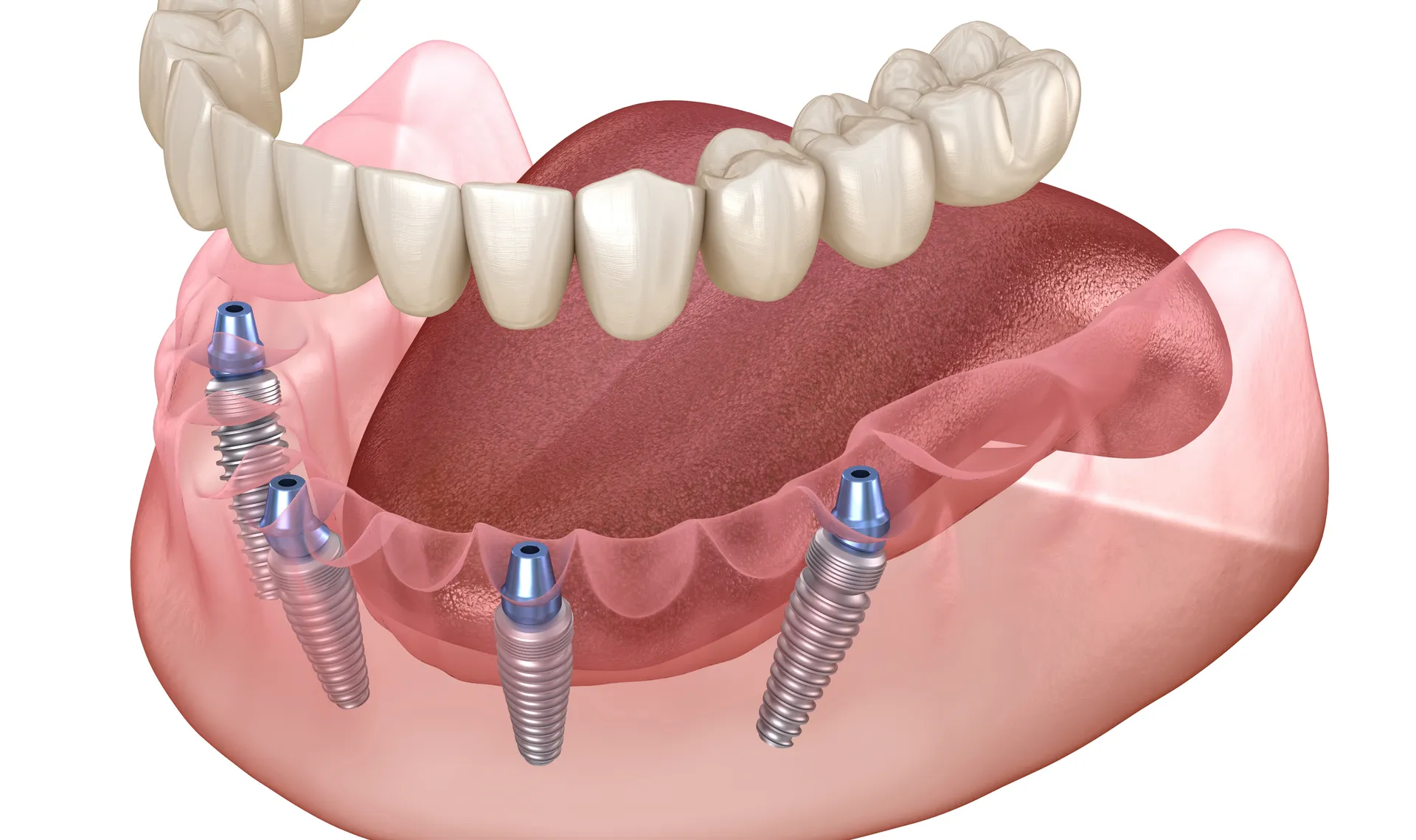
Molars in the middle of the arch, premolars, and visible front teeth contribute to bite balance and facial structure. Losing these teeth without replacement can lead to shifting, bone resorption, and uneven force distribution. That is why dental implants have become increasingly popular. Around 5 million implants are placed annually in the United States, and usage continues to rise. But wisdom teeth function differently.
Why Implants Are Rarely Needed After Wisdom Teeth Removal
In most cases, replacing a removed wisdom tooth with a dental implant offers no functional benefit.
Here's why:
- Limited chewing contribution: Third molars contribute minimally to bite strength compared to first and second molars.
- Posterior location: Their position at the very back of the jaw reduces aesthetic concern.
- Orthodontic considerations: Removal often improves alignment rather than creating instability.
- Crowding relief: In many patients, extraction reduces pressure on adjacent teeth.
When we perform wisdom teeth removal at Spark Dental, our goal is often to protect the health of the neighbouring second molar, not to preserve the third molar itself. In the majority of cases, no implant is required.
The Bone Loss Question
One common concern after wisdom tooth extraction involves bone loss. It's true that when a tooth is removed, the surrounding bone no longer receives stimulation from chewing forces. Over time, bone volume may decrease. However, the back portion of the jaw where wisdom teeth sit does not typically require preservation for functional reasons.
Because these teeth are not needed for structural support, the bone loss in that region rarely impacts bite alignment or facial aesthetics. Bone grafting and implant placement are generally unnecessary unless future restorative planning requires that area for another purpose.
Situations Where an Implant May Be Considered
While rare, there are specific circumstances where replacement might be discussed.
These include:
- The adjacent second molar is missing or compromised
- There are fewer molars present overall
- The patient has unique bite mechanics
- Long-term restorative planning requires posterior support
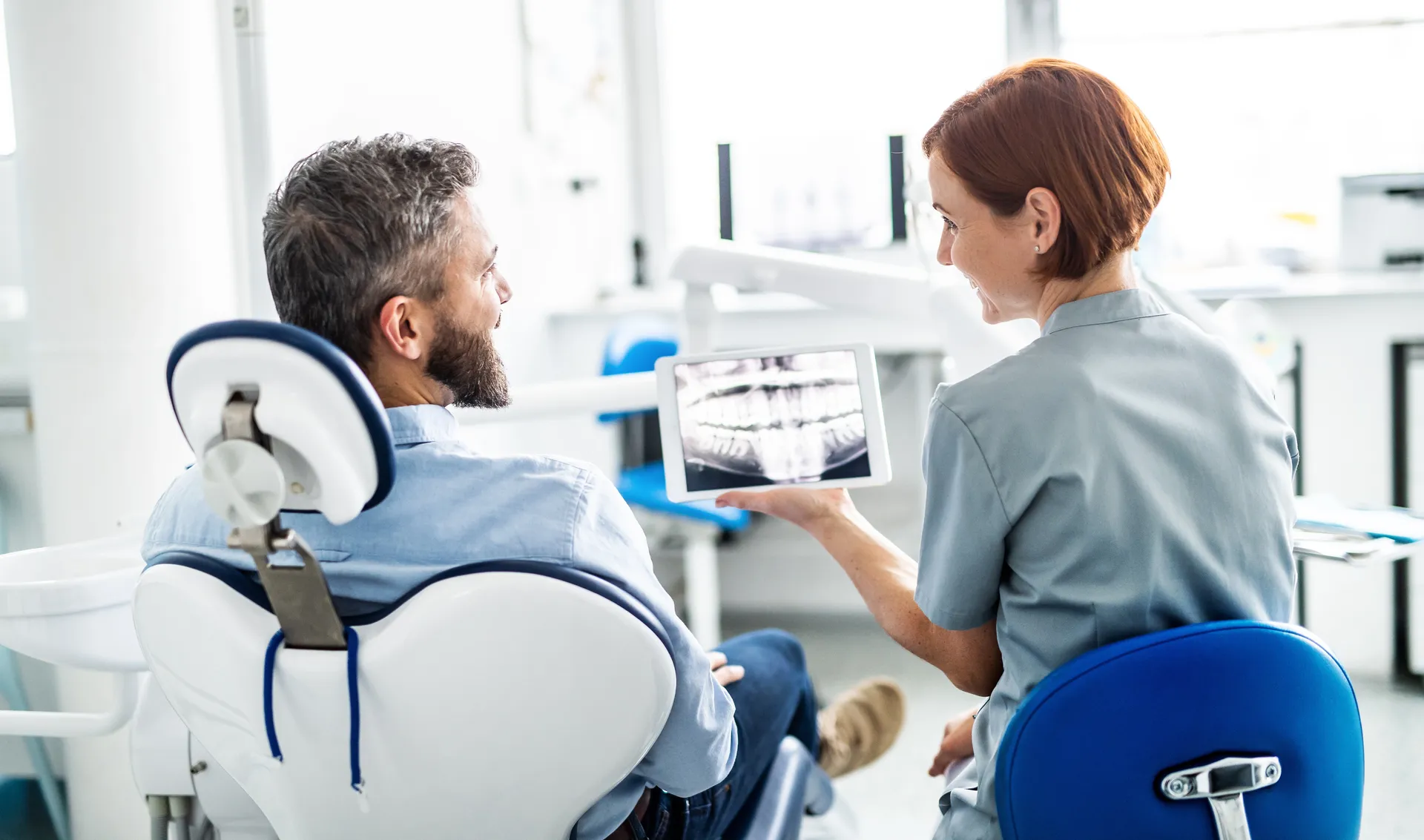
Even in these situations, implant placement after wisdom teeth removal remains uncommon. At Spark Dental, we evaluate each case individually using digital imaging and bite analysis. Our recommendation prioritises long-term stability, not routine replacement.
Healing After Wisdom Teeth Removal
Most patients recover from wisdom tooth extraction within one to two weeks. Initial swelling and tenderness gradually decrease.
Post-procedure care includes:
- Following detailed aftercare instructions
- Keeping the area clean
- Avoiding smoking or vigorous rinsing
- Attending follow-up appointments
We monitor healing closely to ensure the adjacent molars remain stable and healthy. In healthy individuals, the jaw adapts well to the absence of third molars without long-term complications.
How This Connects to Overall Dental Planning
Patients increasingly approach dental care with a long-term strategy in mind. We have discussed this in the article titled,
"What Do Patients Really Expect from Cosmetic Dentists in North Richland Hills Today?" Modern patients want clarity, transparency, and thoughtful planning.
Wisdom teeth removal fits into that broader philosophy. Rather than replacing every missing tooth automatically, we evaluate:
- Functional necessity
- Bite integrity
- Bone health
- Aesthetic considerations
- Patient goals
Not every extracted tooth requires restoration. The key lies in understanding which ones do.
Comparing Wisdom Teeth to Other Missing Teeth
If a first molar or premolar is removed, replacement is often recommended. These teeth absorb significant chewing forces. Without replacement, patients may experience:
- Shifting teeth
- Opposing tooth overeruption
- Uneven bite distribution
- Increased wear
Wisdom teeth behave differently. Their absence rarely alters force balance in a meaningful way. That distinction guides our clinical recommendations.
Cost and Treatment Considerations
Dental implants represent a significant investment. The average cost of a single implant can range from $3,000 to $6,000, depending on complexity. Because wisdom tooth extraction usually does not require replacement, patients avoid unnecessary procedures and expense. At Spark Dental, we prioritize appropriate care over procedural volume. If a dental implant does not improve function or stability, we do not recommend it.
Addressing Patient Anxiety
Dental anxiety impacts over 65% of patients across the country. Many individuals worry not only about the surgery itself but also about the aftermath. Clear communication can significantly help reduce that stress. When patients inquire about the need for an implant after wisdom tooth removal, a straightforward explanation often provides relief. Most end up feeling reassured that no further treatment is necessary. Prioritizing comfort and clarity is essential in our approach to delivering care.
Long-Term Outlook After Wisdom Tooth Extraction
Most patients who undergo wisdom tooth removal experience improved long-term oral health. Reduced crowding, fewer infections, and easier hygiene often follow.
The absence of third molars rarely compromises:
- Chewing efficiency
- Smile appearance
- Jaw stability
Instead, removal often protects adjacent teeth from decay and damage. With proper follow-up care and regular cleanings, long-term outcomes remain strong.
When to Schedule an Evaluation
If you have been told you need wisdom tooth extraction or are experiencing symptoms such as jaw pain, swelling, or recurrent infections, scheduling an evaluation matters.
During your visit, we assess:
- Tooth positioning
- Nerve proximity
- Bone health
- Impact on adjacent molars
If removal is necessary, we also clarify what to expect during recovery and whether any future restorative treatment is needed. In most cases, you will not need a dental implant afterward.
Planning Wisely After Wisdom Teeth Extraction
Wisdom teeth removal is common, preventive, and often beneficial. In most cases, a dental implant is not required after wisdom tooth extraction, as third molars contribute little to chewing function or bite stability.
At Spark Dental, we carefully evaluate each case, explain your options clearly, and recommend treatment based on long-term health, not routine replacement. If you have questions about wisdom teeth removal or concerns about tooth replacement, schedule a consultation with our team. We're here to help you make informed decisions with confidence and clarity.
Frequently Asked Questions
Do most people need dental implants after wisdom tooth removal?
No. In most cases, a dental implant is not necessary after wisdom teeth removal. Third molars contribute very little to chewing function or bite stability. Once removed, the surrounding teeth typically remain stable, and replacement does not provide additional functional benefit for most patients.
Will bone loss occur after wisdom tooth extraction?
Some natural bone remodeling can occur after wisdom tooth extraction. However, because wisdom teeth sit at the back of the jaw and are not essential for structural support, this bone change rarely affects facial appearance, bite alignment, or overall oral function in healthy patients.
Can other teeth shift after wisdom teeth removal?
Teeth shifting after wisdom teeth removal is uncommon when the rest of the dental arch is healthy. In many cases, removing impacted third molars may actually reduce crowding pressure rather than create instability. Regular dental checkups help monitor alignment and long-term bite balance.
When might a dental implant be considered after extraction?
A dental implant may be considered if neighboring molars are missing or compromised, or if overall bite mechanics require additional support. These situations are rare. A thorough evaluation with digital imaging helps determine whether replacement would improve function or long-term stability.
How long does recovery take after wisdom tooth extraction?
Most patients recover within one to two weeks after wisdom tooth extraction. Mild swelling and tenderness gradually improve over several days. Following aftercare instructions and attending follow-up visits supports proper healing and reduces the risk of complications during recovery.