How Small Smile Enhancements Lead to Bigger Confidence

Dr. Deepika Verma
Dr. Deepika Verma is a dentist serving the DFW, TX community. A graduate of New York University with a residency at New York Hospital Queens, she is a member of the American Dental Association and is passionate about patient-first, lifelong dental health.
Connect with Dr. Deepika Verma
For many people, improving their smile doesn't begin with a major decision. It begins with curiosity. A simple thought like "What would I look like with a brighter smile?" often leads to the first step: whitening.
In North Richland Hills, patients exploring
cosmetic dentistry rarely want to jump straight into complex procedures. They look for something visible, low-commitment, and practical. Whitening answers that need. It offers a way to explore change without immediately committing to treatments like veneers or orthodontics. At Spark Dental, whitening is often where the conversation begins, not where it ends.
A Low-Pressure Way to Explore Cosmetic Dentistry
Cosmetic procedures can feel like a big leap. Treatments such as aligners, implants, or reshaping involve planning, cost, and time. Whitening, by contrast, feels accessible. It allows patients to make a noticeable improvement without feeling locked into a long-term plan. Many people tell us they are unsure how far they want to go with cosmetic care. Whitening gives them a starting point, one that feels safe, flexible, and entirely their choice.
What Makes Whitening So Appealing?
Unlike other cosmetic treatments, whitening focuses purely on shade. It does not alter tooth structure or require permanent changes. This makes it especially appealing to patients who want improvement without commitment.
Common reasons people choose whitening include:
- Preparing for photos, events, or milestones
- Feeling more confident in everyday interactions
- Preserving natural tooth shape and character
- Keeping future options open
For patients in North Richland Hills, this balance between simplicity and impact makes whitening an easy first step.
Why Results Feel Immediate and Motivating
One of the strongest advantages of whitening is how quickly people notice a difference. Even subtle color changes can shift how someone feels about their smile.
After whitening, many patients:
- Smile more freely
- Engage more confidently in conversations
- Become curious about further improvements
That shift in mindset is important. It often turns hesitation into interest.
The Numbers Behind Whitening Demand
Whitening isn't just popular; it consistently ranks as the most requested cosmetic dental treatment.
- 48% of patients say whitening is their top cosmetic priority
- 56% are unhappy with the color of their teeth
- Nearly one-third of adults aged 35–54 have already whitened
These figures highlight a clear pattern: people tend to focus on brightness before considering more complex changes.
What Patients Start Noticing After Whitening
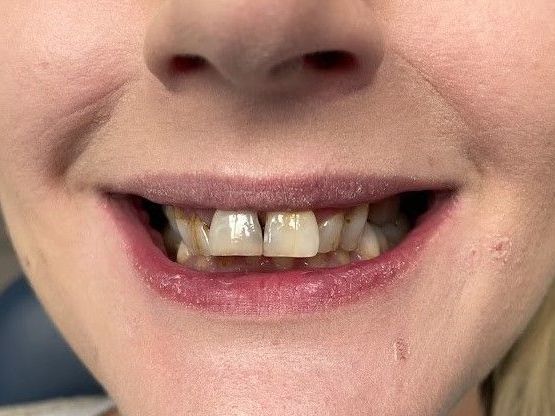
Once teeth become brighter, attention naturally shifts to other details. Patients often begin to see aspects of their smile they hadn't noticed before, such as:
- Slight crowding
- Uneven edges
- Older dental work
- Subtle shape differences
Whitening acts like a reset. It creates a clearer visual baseline, making it easier to evaluate what, if anything, someone wants to improve next. At Spark Dental, this moment often leads to thoughtful discussions rather than pressure. Some patients stop at whitening. Others explore options like bonding or Invisalign®. Both outcomes are equally valid.
Building Trust Through Simplicity
Cosmetic dentistry works best when patients feel informed and comfortable. Whitening appointments create an ideal environment for that trust to develop.
Rather than overwhelming patients, we use this time to explain:
- What kind of results are realistic
- How lifestyle habits affect longevity
- How to manage sensitivity
- What maintenance looks like
Research shows that clear communication is one of the most influential factors in treatment decisions. People want understanding, not persuasion, and whitening provides a natural setting for that.
The Influence of Modern Visual Culture
Today's patients are more visually aware than ever. Social media, video calls, and digital editing tools have changed how people view their appearance.
Research indicates:
- 90% of professionals say social media increases cosmetic demand
- 56% of people avoid smiling in photos
- 15% digitally enhance their teeth
- 26% feel pressure to improve their appearance
Whitening offers a grounded response to these influences. It allows patients to enhance their smile without moving toward aggressive or artificial-looking changes.
A Shift Toward Natural-Looking Results
Patient preferences are changing. The goal is no longer an overly bright, uniform smile. Instead, people want results that look healthy and authentic.
Whitening supports this approach because it can be adjusted to suit:
- Skin tone
- Age
- Facial features
Many patients want to look refreshed, not dramatically different. Whitening makes that possible.
How Whitening Supports Long-Term Planning
In many cases, whitening becomes part of a larger decision-making process. It helps patients evaluate:
- Whether alignment issues stand out more
- How existing restorations compare in colour
- Whether the gum shape becomes more noticeable
- What level of brightness feels right
This gradual approach aligns with how most people prefer to make decisions step by step, not all at once.
Cost and Accessibility Play a Role
Cosmetic dentistry can involve a significant investment. National averages suggest patients spend around $4,336, with some treatments reaching five figures. Whitening offers a more accessible entry point. It allows patients to participate in cosmetic improvement without a large financial commitment, making it a realistic starting option.
Why Many Adults Begin with Whitening
Adults now account for about 70% of clear aligner patients, and many of them began with whitening. Seeing an improvement often builds momentum. Once patients feel more confident about their smile, they become more open to exploring additional treatments.
Modern Expectations in Dental Care
Patients today expect efficiency, transparency, and modern technology. Whitening appointments give them a firsthand look at how care is delivered.
They experience:
- Organized and efficient workflows
- Accurate shade tracking
- Careful protection during treatment
- Clear aftercare instructions
This builds confidence not just in the result, but in the process itself.
Whitening Is a Choice, Not a Commitment
Starting with whitening does not mean committing to further procedures. Some patients are completely satisfied with brighter teeth alone. Others may choose to explore additional options later. Cosmetic dentistry should always reflect individual goals, not a predetermined path.
When Patients Choose to Go Further
For those who do want refinement, whitening often creates a useful starting point. A brighter smile helps with:
- Matching bonding materials
- Evaluating proportions
- Planning subtle contouring
- Visualising aligner outcomes
It sets the stage without forcing the next step.
Where Patients Go After Whitening
After treatment, most patients fall into one of three paths:
- Satisfied with brightness alone
- Interested in alignment options
- Curious about minor cosmetic adjustments
Each outcome is considered a success when it aligns with the patient's goals.
Read more blogs:
Can Cosmetic Dentists in North Richland Hills Subtly Reshape Smiles With Gum Contouring Near Me?
FAQs
Why do many people begin cosmetic dentistry with whitening?
Whitening is often the first step because it improves appearance without altering tooth structure. It offers visible results quickly and helps individuals understand how they feel about cosmetic changes before considering more involved treatments like aligners or veneers. It's simple, flexible, and easy to try.
Can whitening help me decide on other treatments?
Yes, whitening often acts as a visual starting point. Once teeth appear brighter, details like spacing, edges, or older dental work become easier to notice. This helps patients evaluate whether they want further improvements, making decisions more informed rather than rushed or uncertain.
Is professional whitening suitable for everyone?
Most people are good candidates, but results depend on factors like enamel condition, existing dental work, and lifestyle habits. A dental evaluation helps determine the right approach and ensures the treatment is both safe and effective for each individual's needs.
What should I expect after whitening treatment?
After whitening, teeth appear brighter, and many patients feel more confident. Some may notice temporary sensitivity, which typically fades quickly. Dentists also provide guidance on maintaining results and protecting enamel, helping patients keep their smile looking fresh over time.
Does whitening require ongoing maintenance?
Yes, maintaining results depends on daily habits such as diet, oral hygiene, and exposure to staining substances. Periodic touch-ups are often recommended to preserve brightness. With proper care, results can last longer and remain consistent without needing frequent full treatments.