What Dental Care Services Are Available for Families in North Richland Hills, TX
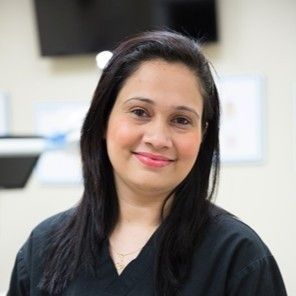
Dr. Deepika Verma
Dr. Deepika Verma is a dentist serving the DFW, TX community. A graduate of New York University with a residency at New York Hospital Queens, she is a member of the American Dental Association and is passionate about patient-first, lifelong dental health.
Connect with Dr. Deepika Verma
Finding one dental office that treats your toddler, your teenager, and you shouldn't take five Google searches. In North Richland Hills, TX, families have plenty of options, with nearly 1,000 dentistry specialists practicing in or near the 76180 and 76182 ZIPs according to Healthgrades, covering everything from first cleanings to full-mouth restorations.
This post walks through the dental services available to NRH families in 2026 and what separates a true family practice from one that just markets itself that way. At Spark Dental, this question comes up on almost every new-patient call.
The NRH Family Landscape in 2026
North Richland Hills has a 2026 population of 72,007, with 22.4% under age 18 and 68.8% of households classified as family households. The median household income sits at $97,305, well above the Texas average, so NRH families have more capacity for elective treatments like Invisalign and implants.
Texas ranks strongly for pediatric access: 80.6% of Texas children visited a dentist in the past year, and 69% of Medicaid-enrolled children receive annual dental care, the highest rate in the country. Adult utilization lags at 59.4%, which is why whole-family practices are genuinely useful: booking the kids reminds parents to book themselves.
Preventive and General Dentistry
A routine family visit includes plaque and tartar removal, digital X-rays (usually annually), periodontal screening, and an oral cancer check. Most offices use intraoral cameras so you can see what the dentist is seeing.
Dental sealants are worth asking about for kids ages 6 to 12: they prevent more than 80% of tooth decay on molars, yet only 1 in 3 U.S. children receive them. For adults, non-surgical gum disease treatment (scaling and root planing) is standard, with referrals to a periodontist only for advanced cases.
Pediatric Dental Care
The ADA recommends a first visit by age 1 or within 6 months of the first tooth erupting, typically a short “ride-along” focused on parent education. Cavity prevention matters early: total caries prevalence reaches 50.5% by ages 6 to 11 nationally, and 57.1% among Hispanic youth ages 2 to 19. NRH practices address this with sealants, fluoride varnish, diet counseling, and brushing coaching. If your child has had a rough experience elsewhere, ask about tell-show-do and similar behavior guidance techniques before booking.
Restorative Dentistry
When a tooth is already damaged, restorative work brings it back to function:
- Fillings. Tooth-colored composite has replaced silver amalgam at almost every NRH practice. Same-day, no second visit.
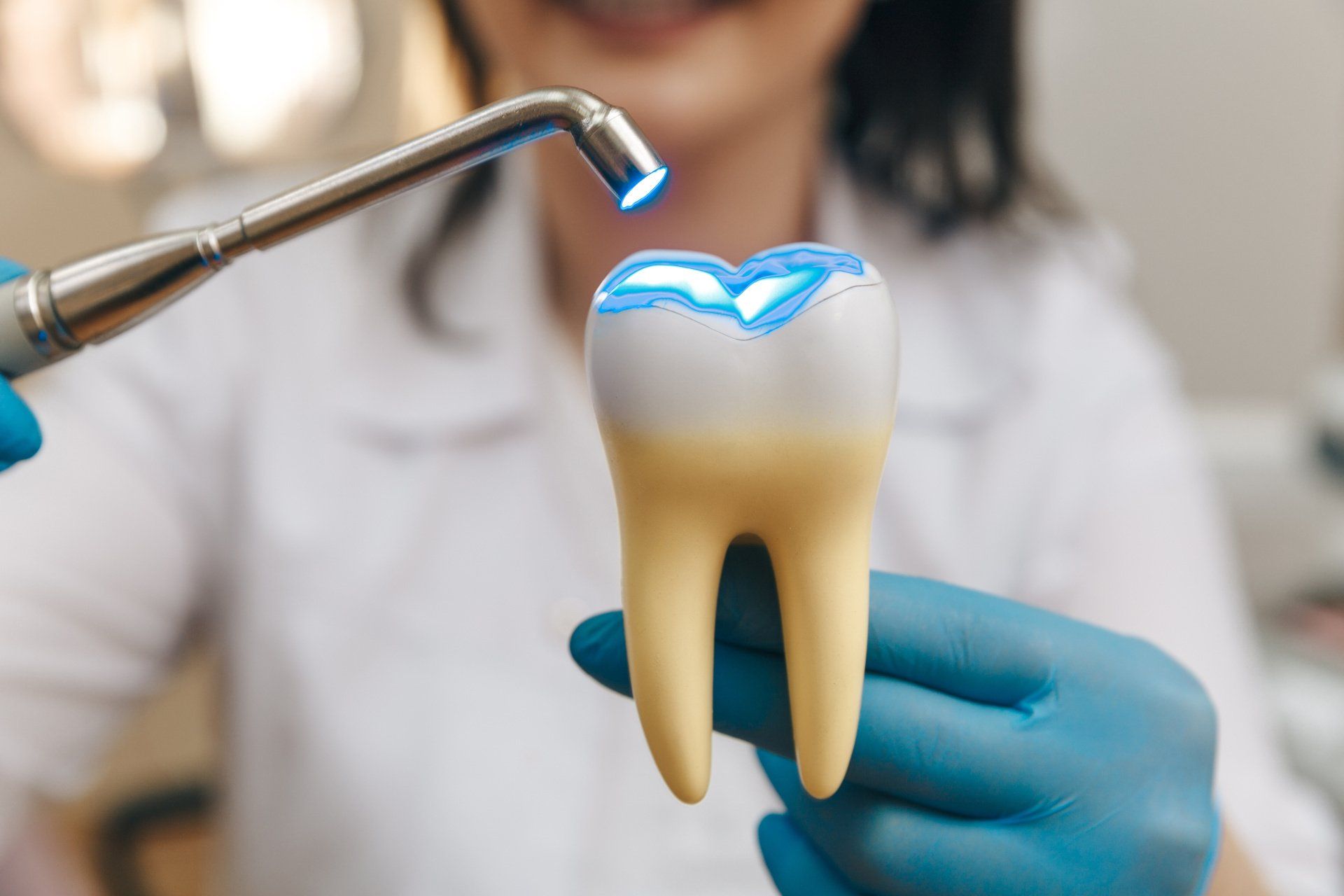
- Crowns. For larger decay, cracked teeth, or after root canals. Many offices offer same-day CEREC crowns milled in-office.
- Bridges. Fixed replacement for one or two missing teeth, anchored to adjacent teeth.
- Root canals. Most NRH general dentists handle molar root canals in-house; severely curved canals get referred out.
- Dentures. Full or partial, conventional or implant-retained.
Cosmetic Dentistry and Orthodontics
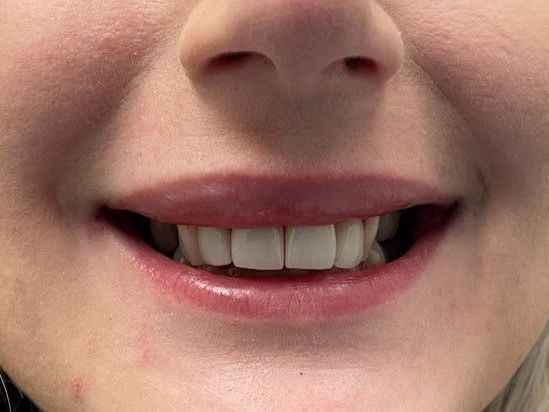
With NRH's above-average household income, cosmetic demand is high. Most practices offer professional whitening (in-office Zoom/KoR and take-home trays), porcelain veneers, composite bonding, gum reshaping, and planned smile makeovers that combine multiple treatments.
On the orthodontics side, most NRH family dentists now offer Invisalign in-house, and many still offer traditional braces for complex bite corrections and severe crowding. Early orthodontic evaluation is recommended by age 7. Catching a crossbite or severe crowding early can shorten treatment later and sometimes avoid tooth extractions entirely.
Dental Implants and Full-Mouth Restoration
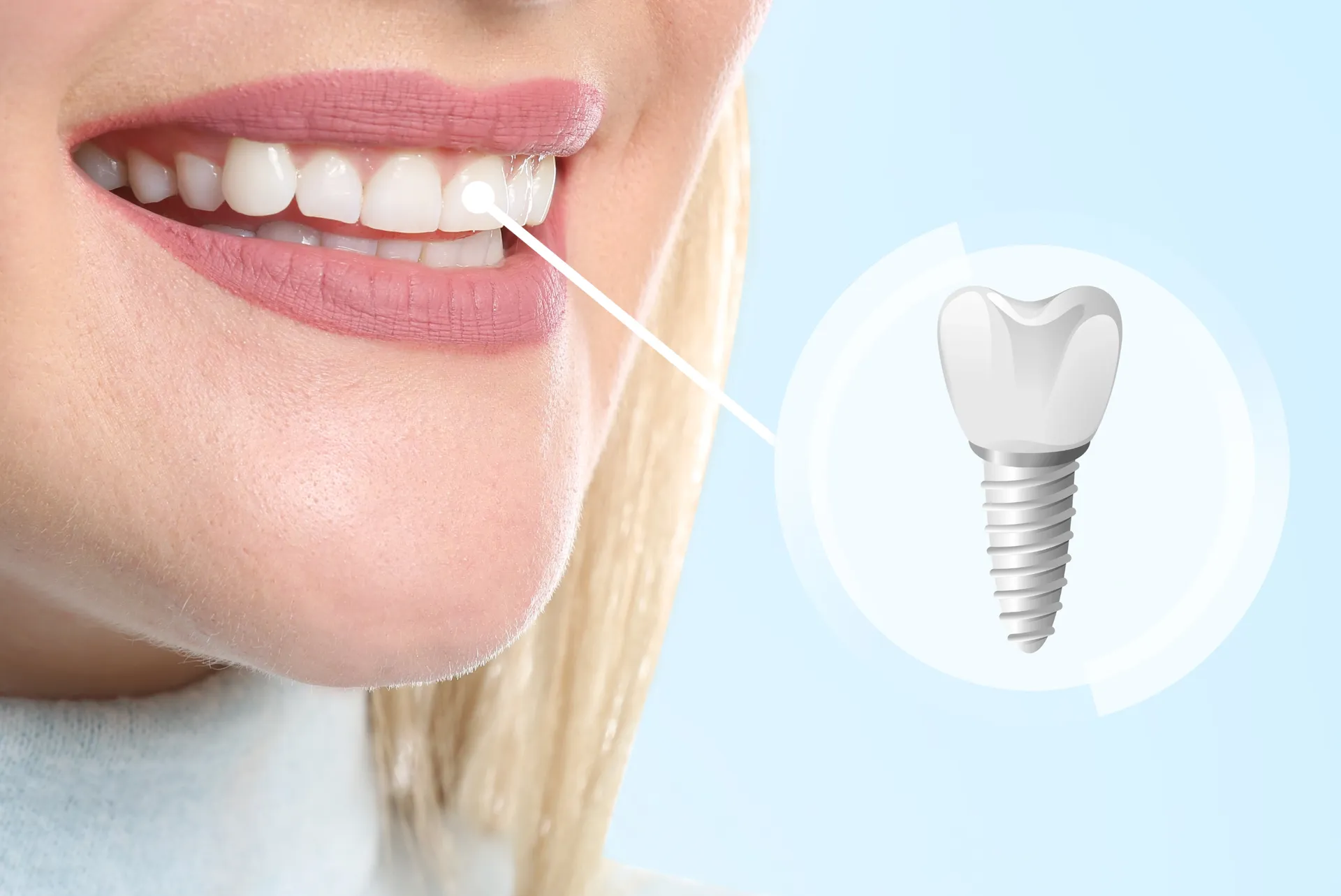
For missing teeth, implants are the standard of care: a titanium post replaces the tooth root, topped with a crown, bridge, or denture. Options include single implants, implant-supported bridges, and implant-retained dentures (All-on-4 and similar full-arch solutions that eliminate the movement of traditional dentures).
Not every NRH family practice places implants in-house. Some handle the full surgical and prosthetic workflow; others restore only and refer surgery to an oral surgeon. Ask which model before committing, because it affects cost, timeline, and how many offices you visit.
Emergency Dental Services
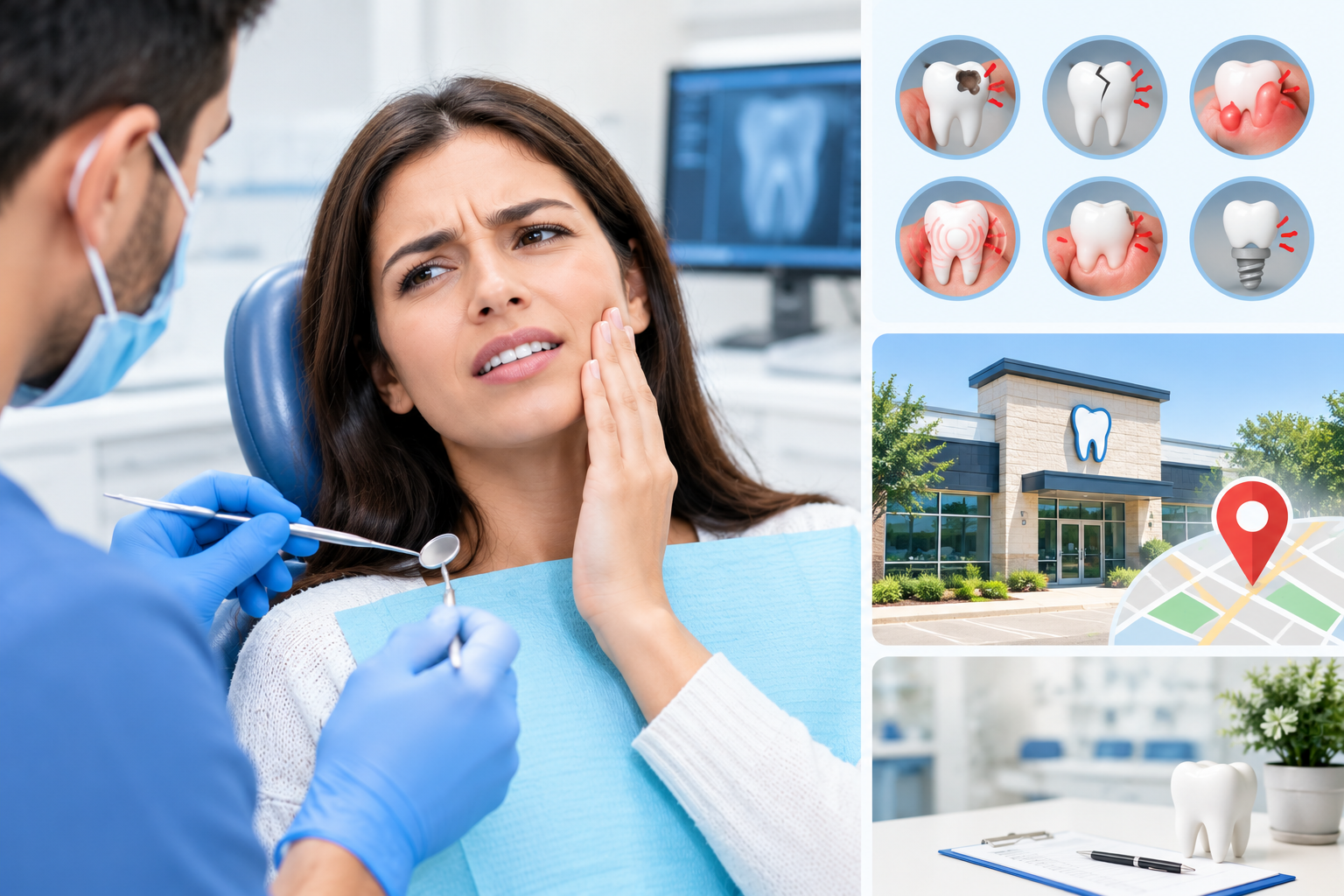
One person every 15 seconds visits a U.S. hospital ER for a dental condition, which is almost always the wrong place (ERs can prescribe antibiotics but can't treat the tooth). Most NRH practices reserve same-day slots for severe pain, abscesses, broken teeth, knocked-out teeth, and lost crowns. A smaller number offer true 24/7 contact. For knocked-out teeth, keep the tooth moist in milk or saliva and get to a dentist within 30 to 60 minutes.
Sedation and Comfort Options
For anxious patients or longer procedures, NRH practices commonly offer nitrous oxide (inhaled, wears off within minutes, safe for kids), oral conscious sedation (a prescribed pill, deeper relaxation, requires a ride home), and at select offices, IV sedation for surgical cases.
What NRH Families Should Look For
Not every office that calls itself “family-friendly” delivers on it. Key filters:
- Age range served. Some practices start at age 2, others at 4, and others take infants. Confirm before booking.
- Insurance and financing. Most NRH practices accept major PPOs (Delta Dental, Cigna, Aetna, MetLife, BCBS of Texas, Guardian, United Concordia). With 27% of U.S. adults lacking dental coverage, good practices also offer in-house membership plans ($30 to $40 per month) and CareCredit or Cherry financing.
- Scheduling. Early-morning, after-school, and Saturday slots let you stack multiple family members on one trip.
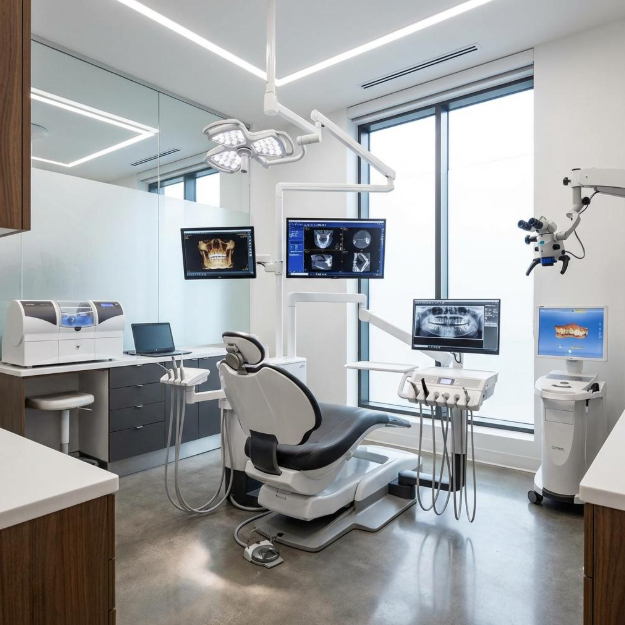
- Technology. Digital X-rays, intraoral cameras, same-day CEREC crowns, and 3D imaging for implants.
- Multilingual staff. Roughly 12% of NRH residents are foreign-born, so Spanish-speaking staff matters.
Is Family Dental Care Worth the Investment?
The utilization data speaks for itself: privately-insured adults are
3.5x more likely to see a dentist than uninsured adults (53.1% vs. 15.2%), and insured children see a dentist at 3x the rate of uninsured children. Sealants prevent more than 80% of molar cavities, fluoridated water reduces cavity risk by 25%, and Texas Medicaid kids have the highest annual visit rate of any U.S. state at 69%. Consistency beats spending: a cleaning every six months, plus fluoride and sealants for the kids, prevents most of the expensive work that brings adults into the chair later.
Why Spark Dental for Your Family's Care
- Every age under one roof. First-tooth visits through senior restorative work, no age-based handoffs.
- Comprehensive services in-house. General, cosmetic, Invisalign, root canals, crowns, and dentures without shuffling between offices.
- 24/7 emergency access. Reachable when something goes wrong on a Sunday night.
- Dr. Deepika Verma on every case. Small-practice continuity, not a rotating cast of associates.
- Local focus. Serving families across North Richland Hills, Richland Hills, Hurst, Bedford, Haltom City, Watauga, Fort Worth, and Colleyville.
Frequently Asked Questions
How often should my family visit the dentist?
Every six months for most people. Cavity-prone kids, orthodontic patients, and adults with gum disease may need 3 to 4 month intervals. Babies should have their first visit by age 1.
At what age should my child first see a dentist?
By age 1, per ADA guidance. Don't wait until age 3 or 4, which is when preventable cavities usually show up.
Do NRH family dentists accept dental insurance?
Most accept all major PPO plans. For families without coverage CareCredit or Cherry financing are widely available. Confirm in-network status before booking.
What's the difference between a family dentist and a pediatric dentist?
A pediatric dentist completes 2 to 3 years of additional training focused on children. A family dentist treats all ages and has the advantage of handling parents and siblings in the same office. Kids with special needs or significant anxiety may do better with a pediatric specialist.
What should I do in a dental emergency?
Call the dental office first, not the ER. Most NRH practices reserve same-day emergency slots; some (including Spark Dental) offer 24/7 contact.
Ready to Schedule Your Family's Next Visit?
The right family practice isn’t just the closest or cheapest, it’s the one your household feels comfortable returning to again and again. From a child’s very first baby-tooth visit to routine cleanings that keep smiles healthy, having a trusted dental team makes all the difference. Whether your teen is considering Invisalign, you need preventive care, or you’re exploring long-term solutions like crowns, bridges, or dental implants, everything can be handled conveniently under one roof.
At Spark Dental, the focus is on creating a welcoming, stress-free experience for every member of your family. The team understands that no two patients are alike, so treatments are tailored to individual needs, comfort levels, and goals. Modern technology, gentle techniques, and clear communication ensure you always know what to expect.
Don’t wait until a small issue becomes a bigger concern. Prioritizing regular visits helps maintain healthy teeth and prevents costly treatments down the line. Request an appointment online or call today to take the next step toward confident, lasting smiles for your entire family.