Yes, a dentist can help manage sleep apnea with a custom oral appliance and protect teeth from nighttime grinding with a fitted night guard. However, a physician must diagnose obstructive sleep apnea, and insurance coverage depends on the treatment, medical necessity, policy exclusions, and your specific dental or medical plan.
If you wake up with headaches, jaw soreness, worn teeth, or feel tired despite sleeping through the night, these symptoms deserve attention. A dental evaluation can help identify oral signs and determine whether an appliance or medical referral is appropriate.
Need help with sleep-related dental concerns? Contact Spark Dental at (817) 962-7072 to discuss your treatment options and insurance questions.
How Can a Dentist Help With Sleep Apnea?
A dentist can help manage obstructive sleep apnea (OSA) by providing a custom oral appliance prescribed as part of a physician-led treatment plan. These appliances reposition the lower jaw to help keep the airway open during sleep.
Obstructive sleep apnea occurs when the upper airway repeatedly narrows or becomes blocked during sleep. This can interrupt normal breathing and affect sleep quality.
Common signs include:
- Loud or frequent snoring.
- Pauses in breathing during sleep.
- Waking up gasping or choking.
- Morning headaches.
- Dry mouth after waking.
- Excessive daytime sleepiness.
- Difficulty concentrating during the day.
A dentist may notice signs associated with sleep-disordered breathing during a routine examination. These include certain jaw positions, oral structures, and other physical features associated with OSA.
However, a dental examination alone cannot diagnose sleep apnea. A physician or qualified sleep specialist must evaluate the condition, usually through a sleep study.
According to the American Dental Association (ADA), dentists can screen patients for risk factors and coordinate care with physicians and sleep specialists. They can also fabricate and maintain oral appliances when a physician recommends this treatment.
What Is an Oral Appliance for Sleep Apnea?
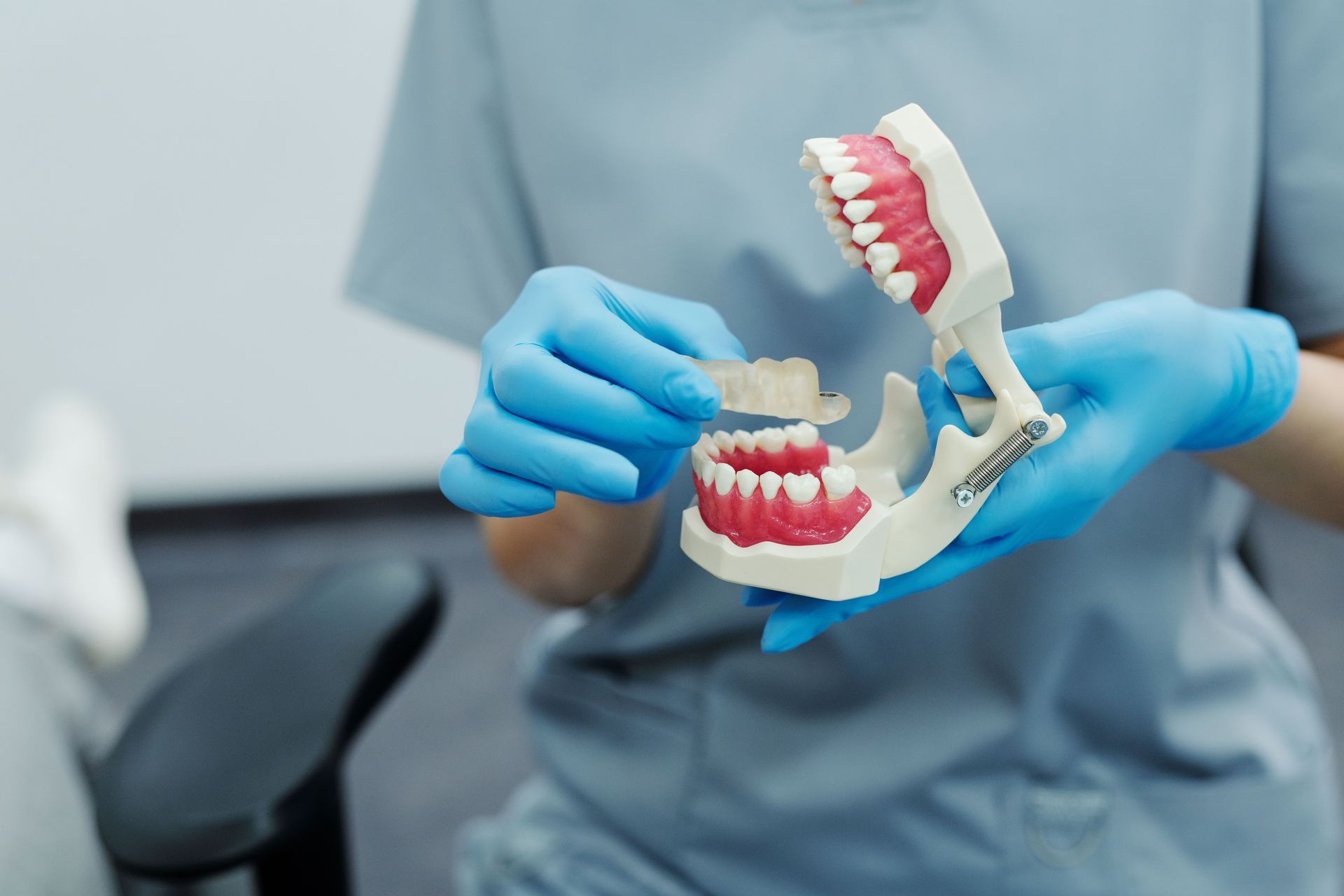
An oral appliance is a custom-fitted dental device worn during sleep to help maintain an open airway.
One common type is a mandibular advancement device (MAD). It gently positions the lower jaw forward, helping create more space behind the tongue and reducing the likelihood of airway obstruction.
A dentist evaluates your teeth, jaw, bite, and oral health before recommending an appliance. The device must fit properly and may need adjustments to improve comfort and function.
The American Academy of Sleep Medicine and the American Academy of Dental Sleep Medicine recommend custom, titratable oral appliances for appropriate adults with OSA who prefer an alternative to CPAP or cannot tolerate it. Dental follow-up also helps monitor potential changes in the bite and jaw.
Oral appliance therapy is not suitable for every patient. Your sleep physician and dentist should determine whether it fits your diagnosis and treatment needs.
Can a Dentist Help With Teeth Grinding and Jaw Pain?
Yes, a dentist can identify signs of bruxism and recommend treatments such as custom night guards to protect teeth from grinding and clenching.
Bruxism is the medical term for repeatedly clenching or grinding your teeth. It can happen while you are awake or asleep.
Sleep bruxism often goes unnoticed because it occurs when you cannot consciously control your jaw movements. However, certain symptoms may indicate that you grind your teeth at night.
Watch for these common signs:
- Flattened, chipped, or worn tooth surfaces.
- Jaw soreness after waking.
- Frequent morning headaches.
- Tooth sensitivity.
- Pain around the temples or facial muscles.
- Tightness or discomfort when opening your mouth.
- Damage to existing dental restorations.
A dentist examines your teeth, gums, jaw muscles, and bite to identify possible signs of grinding. They may also ask about stress, sleep habits, medications, and other factors that could contribute to the problem.
How Does a Custom Night Guard Help?
A custom night guard creates a protective barrier between the upper and lower teeth. It helps reduce direct tooth-to-tooth contact and limits damage caused by repeated grinding.
Unlike generic, store-bought guards, a custom appliance comes from impressions or digital scans of your teeth. This allows the dentist to design a device that fits your bite and oral structures.
A properly fitted night guard may help:
- Protect enamel from excessive wear.
- Reduce damage to crowns and fillings.
- Limit direct pressure on teeth.
- Improve comfort during sleep.
- Support management of grinding-related jaw discomfort.
However, a night guard does not necessarily stop the underlying habit of grinding. It primarily protects the teeth and helps manage some related symptoms.
If you experience persistent jaw pain, headaches, or tooth damage, schedule an examination rather than relying on an over-the-counter device.
Does Dental Insurance Cover Sleep Apnea Appliances and Night Guards?
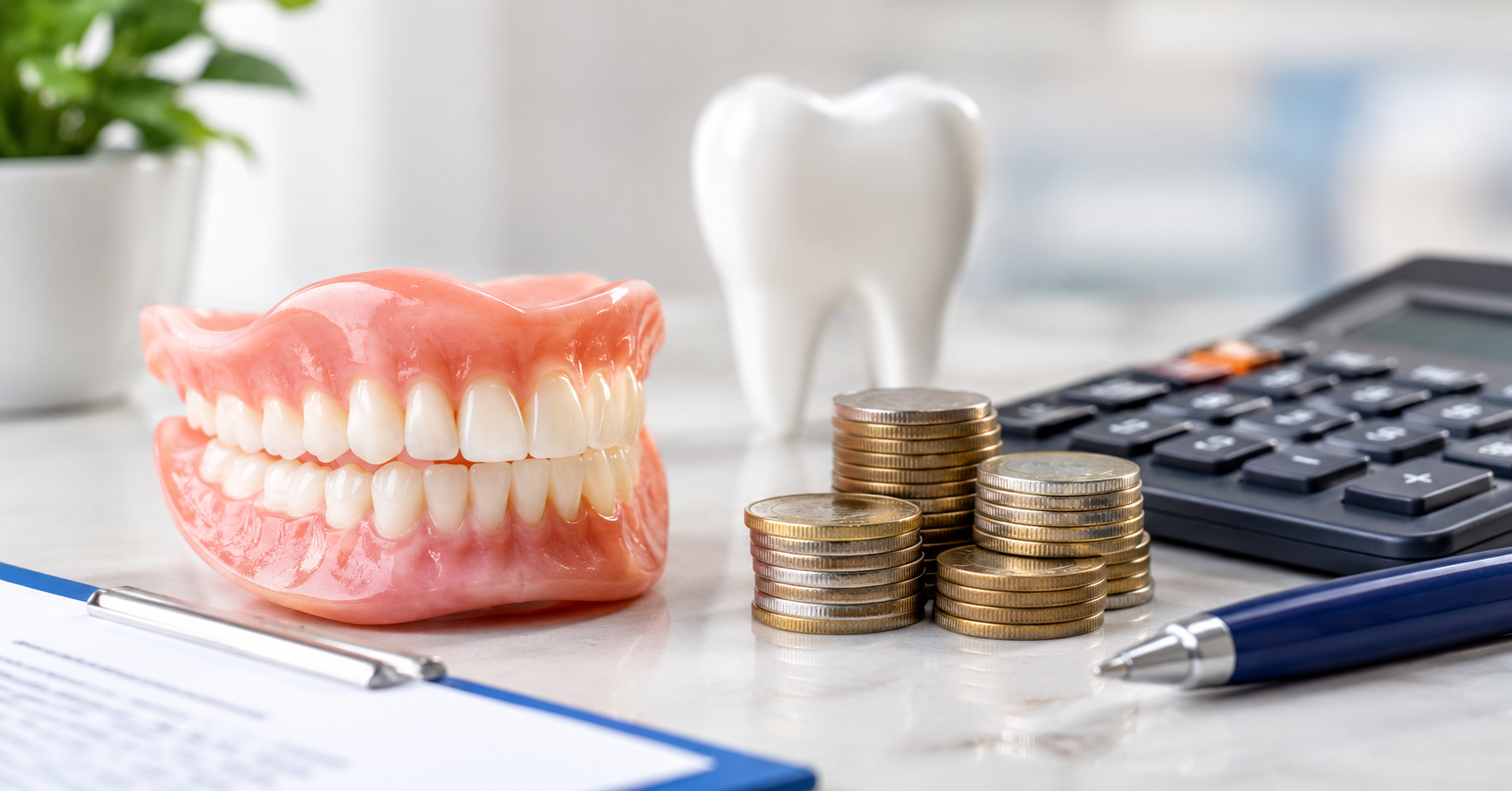
Dental insurance may cover certain oral appliances, but coverage depends on the policy, treatment purpose, medical documentation, and applicable exclusions.
This distinction matters because insurers may classify appliances differently depending on why a dentist provides them.
| Treatment | Possible coverage route | What to verify |
|---|---|---|
| Night guard for teeth grinding | Dental insurance | Occlusal guard benefits, exclusions, annual limits |
| Oral appliance for diagnosed sleep apnea | Medical insurance or qualifying benefit arrangements | Medical necessity, physician prescription, device requirements |
| Follow-up adjustments | Depends on the plan | Included services and frequency limits |
| Replacement appliance | Dental or medical policy | Replacement intervals and damage exclusions |
| Examination and consultation | Dental or medical coverage | Applicable diagnostic and consultation benefits |
Important: This table describes possible coverage routes, not guaranteed benefits. Your insurer must confirm coverage under your specific policy.
Does Dental Insurance Cover Night Guards for Teeth Grinding?
Some dental insurance plans cover custom night guards when a dentist recommends them to protect teeth from bruxism.
However, other plans classify night guards as optional or non-covered appliances. Some policies also apply restrictions based on the reason for treatment, replacement frequency, or annual benefit limits.
Before scheduling treatment, ask your insurer:
- Does my plan cover a custom occlusal guard?
- Is coverage available for sleep bruxism?
- Do I need a documented diagnosis or clinical examination?
- Does the plan require prior authorization?
- Are there restrictions on replacement appliances?
- What deductible, copayment, or coinsurance applies?
Request written confirmation whenever possible. This helps you understand your expected out-of-pocket expenses before treatment begins.
Does Medical Insurance Cover Sleep Apnea Oral Appliances?
Medical insurance may cover a custom oral appliance for diagnosed obstructive sleep apnea when the patient meets the plan’s medical necessity requirements.
Coverage often involves more documentation than a routine dental appliance claim. The insurer may require a physician’s diagnosis, sleep study results, prescription, and information about the recommended device.
Medicare provides one example of how medical coverage can work. Its coverage policy for certain custom-fabricated mandibular advancement devices requires qualifying sleep-study results, a treating practitioner’s order, and other clinical criteria. These Medicare requirements do not automatically apply to private insurance plans.
See the CMS coverage policy for oral appliances used to treat obstructive sleep apnea.
If you have private health insurance, contact the medical benefits department and ask whether it covers oral appliance therapy under durable medical equipment or another applicable benefit category.
Is Spark Dental an Unum Dental Provider in North Richland Hills?
Spark Dental’s website states that the practice works with many PPO dental insurance companies, but it does not specifically confirm participation in the Unum Dental Network.
If you are searching for a Unum dental provider in North Richland Hills, verify the practice’s network status directly with Unum and Spark Dental before booking treatment.
Unum offers dental benefits through different plan arrangements and network options. Its official website explains that members can generally visit in-network or out-of-network dentists, although network providers may offer discounted negotiated fees.
Unum also directs members to select the appropriate provider-search portal based on their dental insurance identification card.
How Can You Verify Spark Dental’s Unum Network Status?
Follow these steps before your appointment:
- Check your insurance card. Identify the network administrator shown on your Unum dental insurance card. Different Unum arrangements may use different provider networks.
- Search the official provider directory. Use the provider-search option associated with your card. Search for Spark Dental, Dr. Deepika Verma, or the office ZIP code, 76180.
- Confirm the office location. Check that the listing matches the practice at 7259 Boulevard 26, North Richland Hills, TX 76180. Network participation can differ by location.
- Contact the dental office. Call (817) 962-7072 and ask the team to verify your plan and explain whether they can submit claims on your behalf.
- Confirm treatment-specific benefits. Even if the office participates in your network, this does not mean every sleep apnea appliance or night guard receives coverage. Ask about the procedure code, prior authorization, deductible, annual maximum, and estimated patient responsibility.
How Does Spark Dental Approach Sleep Apnea and Teeth Grinding Treatment?
Spark Dental provides custom oral appliances for patients experiencing nighttime teeth grinding, diagnosed obstructive sleep apnea, bite concerns, and certain jaw joint disorders.
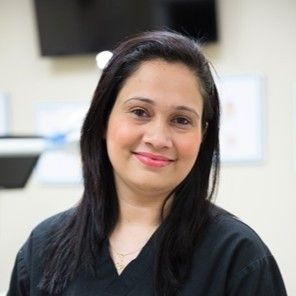
Led by Dr. Deepika Verma, the practice focuses on conservative dental care and custom-fitted appliances based on each patient’s treatment needs.
Our oral appliance services address two different concerns:
- Sleep apnea appliances: Custom devices designed to support physician-directed treatment by helping maintain an open airway during sleep.
- Grinding appliances: Custom night guards designed to protect teeth and help manage the effects of nighttime clenching and grinding.
The practice uses different appliance designs based on the patient’s goals and preferences. A dental evaluation helps determine which option may be appropriate.
If you experience both sleep-related breathing problems and nighttime grinding, tell your dentist about both concerns. The appliances used for these conditions serve different purposes, and one device should not automatically replace the other.
You can also read more about our custom oral appliance services and teeth grinding treatment.
What Should You Bring to Your Dental Appointment?
Arriving with the right information helps your dental team understand your symptoms, treatment history, and insurance requirements.
Bring the following:
- Your dental and medical insurance cards.
- Previous sleep study reports, if available.
- Your physician’s diagnosis or referral.
- Details about previous CPAP use or oral appliances.
- A list of medications.
- Notes about jaw pain, headaches, snoring, or nighttime grinding.
- Any questions about treatment costs and coverage.
Spark Dental can discuss available dental services and payment options, including insurance questions, cash, checks, major credit cards, and CareCredit. The team can help you understand your financial options before treatment begins.
Frequently Asked Questions About Sleep Apnea, Teeth Grinding, and Dental Insurance
Can a Dentist Tell If You Have Sleep Apnea?
A dentist can identify oral and physical signs associated with sleep apnea, including certain jaw structures, snoring history, and reported breathing interruptions. However, a dentist cannot independently confirm an OSA diagnosis through a routine dental examination. A physician or sleep specialist must evaluate the condition and arrange appropriate testing.
Is a Night Guard the Same as a Sleep Apnea Mouthpiece?
No, a night guard and a sleep apnea mouthpiece serve different purposes. A night guard protects teeth from damage caused by grinding and clenching. A sleep apnea oral appliance repositions the jaw to help maintain an open airway. Your dentist should select the device based on your diagnosis and treatment needs.
Will Unum Dental Insurance Pay for a Custom Night Guard?
Unum dental insurance may cover a custom night guard if your specific policy includes occlusal guard benefits. Coverage can depend on medical necessity, plan exclusions, deductibles, and replacement limits. Check your benefits portal and ask the insurer to confirm coverage before authorizing the appliance.
Can You Have Sleep Apnea and Teeth Grinding at the Same Time?
Yes, a person can experience obstructive sleep apnea and sleep-related bruxism together. Both conditions can affect sleep and oral health, but they require separate clinical assessments. Tell your dentist and physician about your symptoms so they can coordinate appropriate evaluations and treatment recommendations.
Does Spark Dental Accept Unum Dental Insurance?
The practice’s website confirms participation with many PPO dental insurance companies, but it does not specifically list Unum. Contact the office at (817) 962-7072 to verify your plan, network status, and treatment benefits. You should also confirm participation through the official Unum provider directory.
Where Can You Get Help for Sleep Apnea and Teeth Grinding in North Richland Hills?
A dentist can help protect your teeth from grinding and provide custom oral appliance therapy as part of a physician-directed sleep apnea treatment plan.
If you experience morning headaches, jaw soreness, worn teeth, loud snoring, or interrupted breathing during sleep, schedule an evaluation. Early assessment helps identify the right care pathway and whether you need a physician or sleep specialist referral.
At Spark Dental, we offer custom oral appliances for nighttime grinding and diagnosed sleep apnea, with treatment recommendations based on your dental needs.
Schedule an appointment with Spark Dental:
Phone: (817) 962-7072Address: 7259 Boulevard 26, North Richland Hills, TX 76180
Email: care@thesparkdental.com
Website: Request an appointment
Our team can also help you discuss your dental insurance and payment options before treatment begins.