Wisdom Tooth Extraction in North Richland Hills: Signs You Need It & What It Costs

Dr. Deepika Verma
Dr. Deepika Verma is a dentist serving the DFW, TX community. A graduate of New York University with a residency at New York Hospital Queens, she is a member of the American Dental Association and is passionate about patient-first, lifelong dental health.
Connect with Dr. Deepika Verma
That dull ache behind your back molars at 2 a.m., the swollen jaw you can't fully open, the bad taste that won't go away no matter how often you brush. If you're in your late teens, twenties, or even early thirties, there's a good chance your wisdom teeth are behind it. According to the American Association of Oral and Maxillofacial Surgeons, approximately five million Americans undergo wisdom tooth extraction each year, and roughly 65% of adults end up having at least one third molar removed during their lifetime.
At Spark Dental in North Richland Hills, this is one of the most common procedures we walk new patients through. Below is what every NRH adult should understand before booking the consult: when extraction is actually necessary, the warning signs of infection, what it costs locally, and whether same-day removal is realistic.
When Wisdom Tooth Extraction Becomes Necessary
Not every wisdom tooth has to come out. Some erupt cleanly, sit in proper alignment, and stay healthy for life. The problem is that most don't, because the modern human jaw simply isn't large enough to accommodate four extra molars. When there isn't room, the tooth gets stuck (impacted) or pushes against the neighboring second molar, and that's when problems start.
A dentist will usually recommend extraction in these scenarios:
- Impaction. The tooth is trapped under the gum or bone and can't erupt properly, putting pressure on adjacent teeth and increasing infection risk.
- Partial eruption. Half the tooth pokes through the gum, creating a flap that traps food and bacteria. This is one of the most common triggers for pain.
- Crowding or orthodontic interference. If you're in Invisalign or braces, an erupting wisdom tooth can shift the corrections you just paid for.
- Recurring cavities or gum disease in the area. Wisdom teeth sit so far back that brushing and flossing them well is genuinely difficult, and decay there is hard to restore with a simple filling.
- Cysts or damage to the adjacent tooth. Impacted teeth can develop fluid-filled sacs that slowly damage the jawbone or the roots of the second molar.
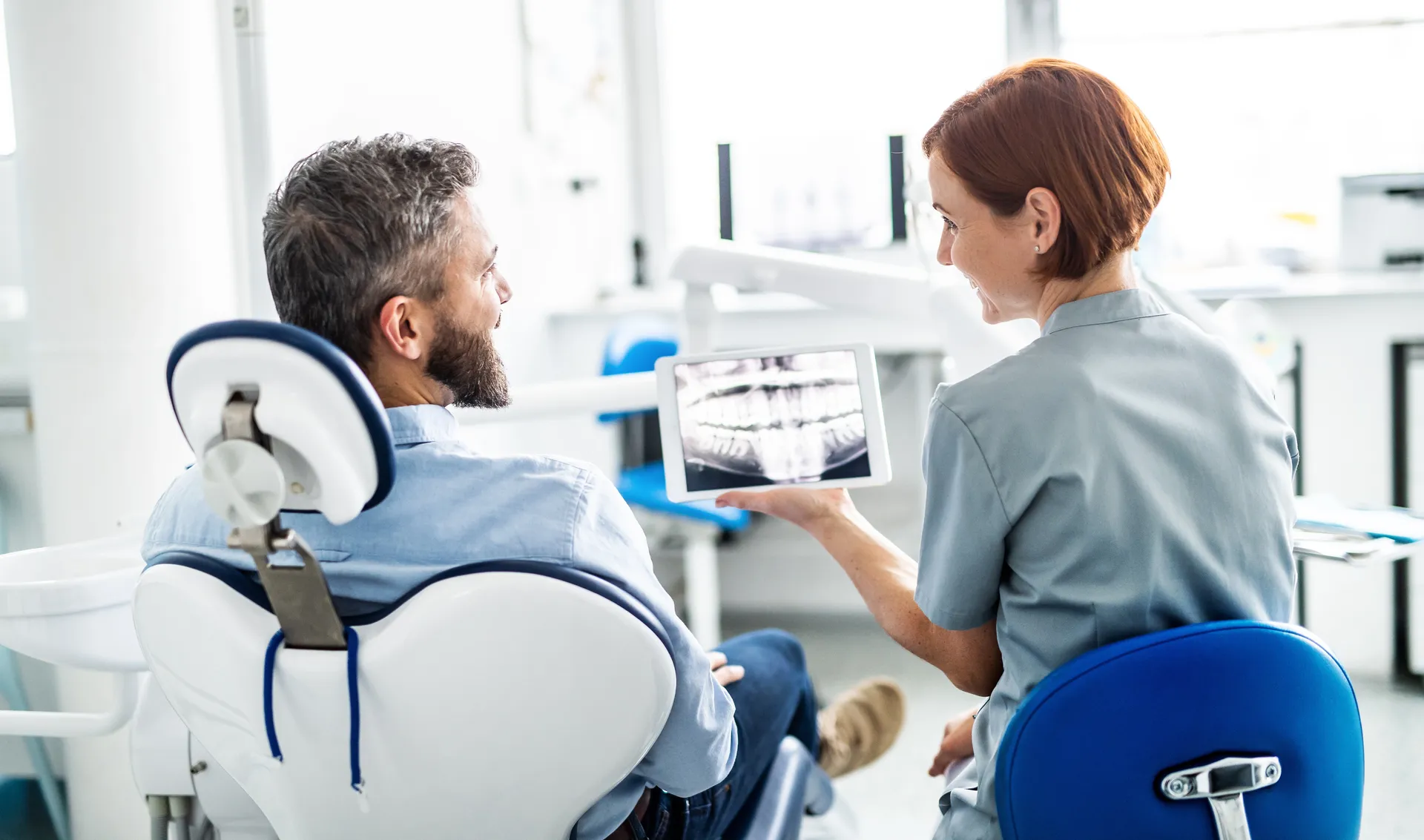
If your wisdom teeth are fully erupted, well-positioned, and easy to clean, you may not need surgery. A panoramic X-ray during a routine exam is the only way to know for certain.
Signs Your Wisdom Tooth Is Infected
A symptomatic wisdom tooth often points to pericoronitis, an infection or gum disease around a partially erupted tooth. Left alone, the infection can spread to the jawbone or even into the neck, which is why it's worth recognizing the early signals.
Common signs to watch for:
- Throbbing pain at the back of the jaw that may radiate to the ear, temple, or down the neck on the same side.
- Red, swollen, or tender gum tissue behind the last molar. The gum may feel puffy or look like it's sitting on top of the tooth.
- A bad taste or persistent bad breath from pus draining around the tooth.
- Difficulty opening your mouth fully (trismus), often because the surrounding muscles are inflamed.
- Swollen lymph nodes under the jaw or in the neck.
- Low-grade fever along with any of the above. A fever plus facial swelling is a same-day call to the dentist, not a wait-and-see.
Saltwater rinses and ibuprofen may calm mild pericoronitis, but symptoms almost always return until the tooth is removed. Recurrent flare-ups are one of the strongest signals that extraction should be scheduled.
How Much Wisdom Tooth Removal Costs in NRH
Cost depends on the tooth's position, the anesthesia used, and your insurance. Industry data shows the national average runs about $363 per impacted tooth, with a range of $281 to $702, while a simple extraction of a fully erupted wisdom tooth usually falls between $200 and $300.
For all four teeth in a single visit, a
2026 industry analysis
pegs the average at roughly $2,685 for non-impacted teeth and $3,340 when impacted. Most major dental PPOs cover 50% to 80% of the procedure when extraction is medically necessary, which is the typical case for symptomatic or impacted teeth.
Here is a rough breakdown of what NRH patients can expect to budget per tooth @ Spark Dental:
Extraction Type Typical Cost Per Tooth Anesthesia Needed
Simple (fully erupted) $200 to $350 Local only
Soft-tissue impaction $250 to $450 Local only
Partial bony impaction $350 to $650 Local only
Full bony impaction $500 to $800 Local only
Additional costs may include a panoramic or 3D cone-beam X-ray ($75 to $250), sedation fees if IV is used, and prescriptions. Patients without insurance can use financing like CareCredit and Cherry to spread payments monthly.
Same-Day Wisdom Tooth Removal: Is It Possible?
Yes, in many cases. A single tooth that is fully erupted and causing pain can often be removed the same day you're examined, especially if you call early and X-rays confirm a straightforward extraction. Full impactions and four-tooth surgical cases are usually scheduled within a few days so the practice can plan sedation, recovery time off work, and a ride home for the patient.
Same-day care matters most during active infection or severe pain. Antibiotics may be prescribed first to control acute swelling, with surgical removal completed within 48 to 72 hours. If a flare-up hits on a weekend or evening, request an appointment online or call (817) 962-7072 to
schedule your wisdom tooth extraction consultation
with a team that treats every patient like family.
Recovery: What the First 72 Hours Look Like
The first three days do most of the heavy lifting in healing. Knowing what to expect makes the experience far less stressful.
- Day 1. Mild bleeding, swelling, and stiffness. Bite gently on gauze for the first hour, apply ice packs in 20-minute cycles, and stick to cool, soft foods like yogurt, smoothies, and applesauce. No straws, no smoking, no spitting forcefully, since suction can dislodge the blood clot and cause dry socket.
- Day 2 to 3. Swelling typically peaks around 48 hours, then improves. Switch from ice to warm compresses on day three. Begin gentle saltwater rinses (one teaspoon of salt in a cup of warm water) after meals.
- Day 4 to 7. Most patients return to school or desk work within 2 to 4 days; physically demanding jobs and exercise should wait a full week. Soft solids like scrambled eggs, mashed potatoes, and pasta are fair game.
- Week 2 and beyond. Sockets fill in with new gum tissue, and bone healing continues for several months underneath. Most patients feel back to normal within 10 to 14 days.
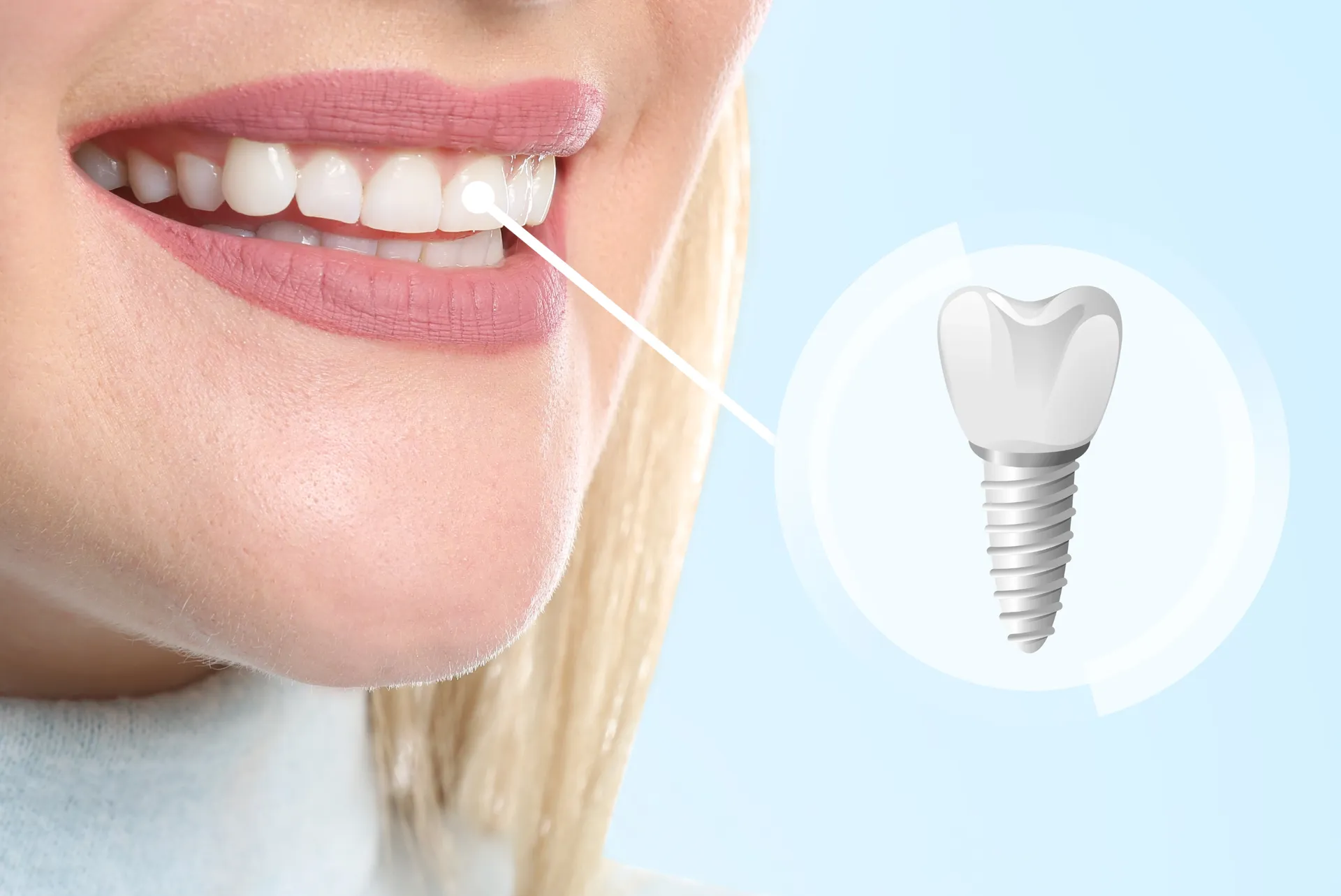
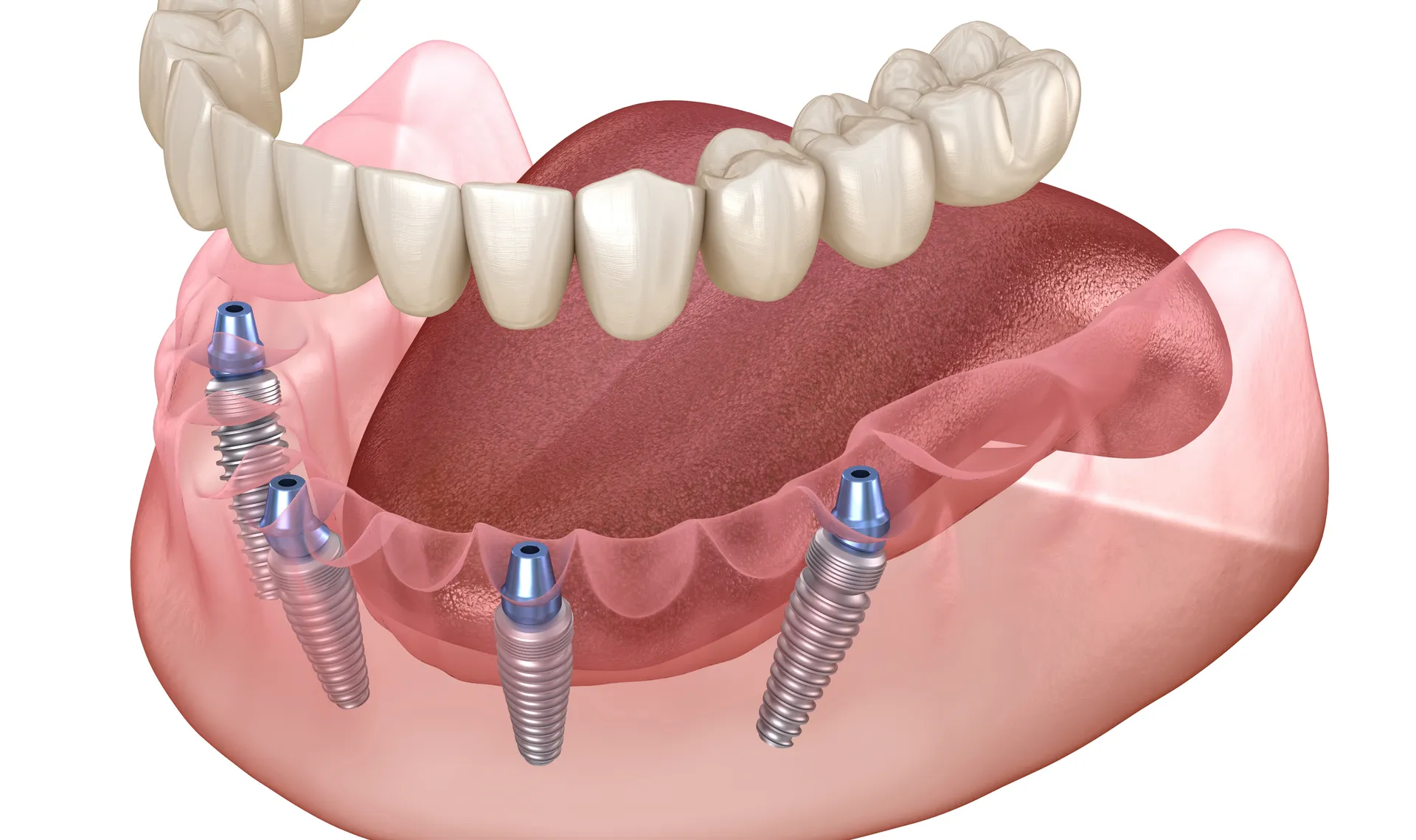
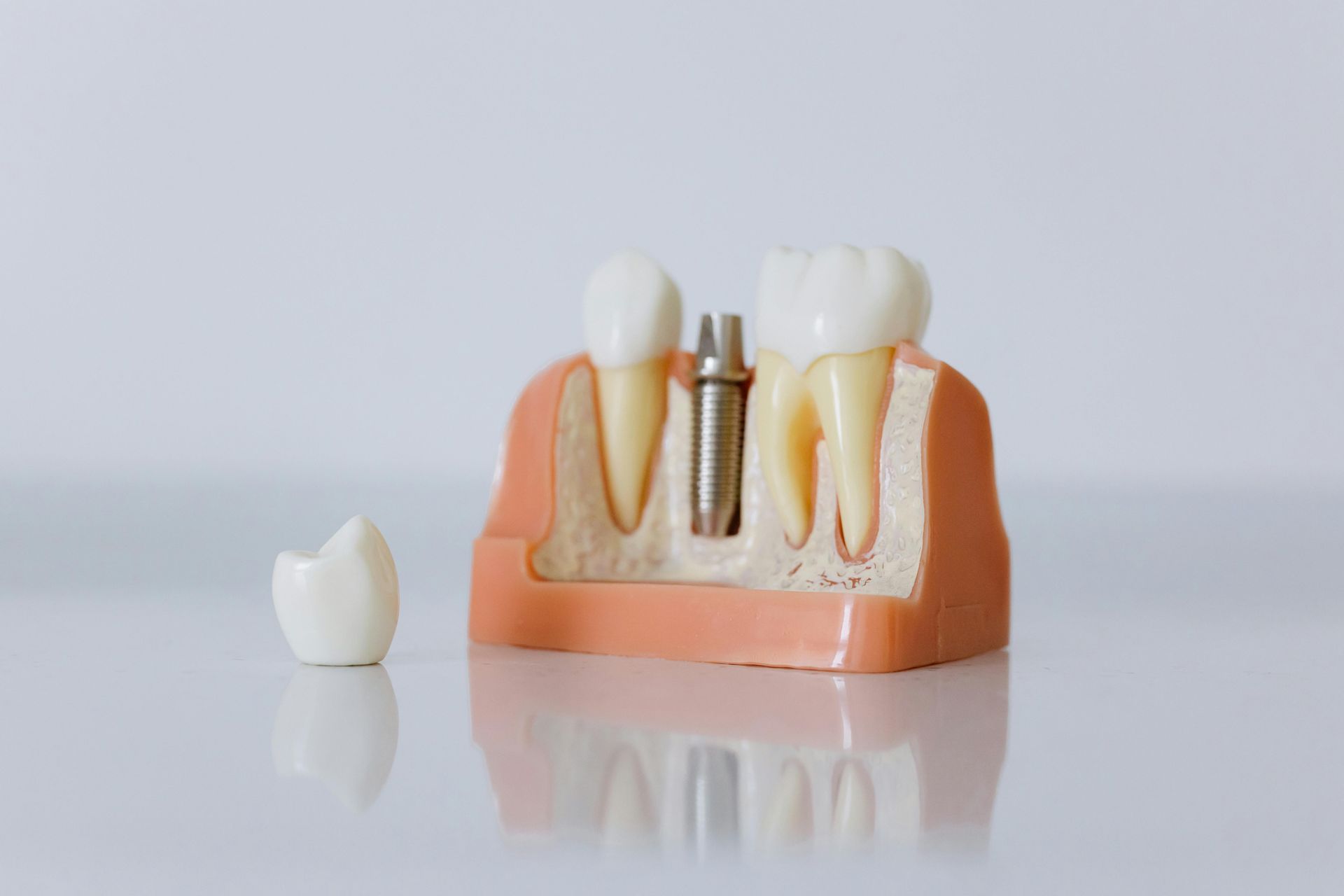
Most patients wonder whether they'll need an implant afterward. Usually not, since third molars contribute very little to chewing function. Spark Dental has a separate breakdown on whether a dental implant is needed after wisdom tooth extraction that walks through the exceptions.
Why Patients Across NRH Choose Spark Dental for Extractions
- From simple removals to surgical impactions, you stay in one familiar office rather than being referred out.
- Local anesthesia, available based on case complexity and anxiety level.
- You'll know your out-of-pocket cost before the appointment, not after.
- Continuity of care, not a rotation of associates seeing you for the first time on surgery day.
- Serving patients across North Richland Hills, Hurst, Bedford, Watauga, Haltom City, Richland Hills, Fort Worth, and Colleyville or across the DFW area.
Frequently Asked Questions
Is wisdom tooth extraction painful?
The procedure itself is not painful because the area is fully numbed with local anesthesia. Most patients describe pressure and movement, not pain. Post-operative soreness peaks at 48 hours and is managed well with prescribed or over-the-counter pain relievers.
How long does the extraction take?
A simple extraction takes 15 to 30 minutes per tooth. A full surgical removal of all four impacted wisdom teeth typically runs 45 to 90 minutes total, including anesthesia setup.
Can I drive myself home afterward?
Yes for local anesthesia only. No if you receive oral sedation or IV sedation, in which case a friend or family member must drive you home and ideally stay with you for the first few hours.
Does dental insurance cover wisdom tooth removal?
Most PPO plans cover 50% to 80% when extraction is medically necessary (impaction, infection, decay, pain). Cosmetic or prophylactic removal of healthy, asymptomatic teeth may not be covered. Spark Dental verifies coverage in advance and provides a written estimate.
What's the best age to have wisdom teeth removed?
The late teens through mid-twenties is the most common window because tooth roots aren't yet fully formed and the bone is less dense, both of which mean faster, easier recovery. That said, extraction is still very safe for healthy adults at any age once a problem is identified.
Ready to Get Out of Pain?
Whether you're dealing with active wisdom tooth pain, planning ahead before symptoms start, or just want a straightforward cost estimate, the team at Spark Dental in North Richland Hills makes the process simple. A consultation visit includes a focused exam, the necessary imaging, a clear treatment recommendation, and a written cost breakdown before anything is scheduled.
Don't wait for a small ache to turn into a weekend emergency. Request an appointment online or call (817) 962-7072 to schedule your wisdom tooth extraction consultation with a team that treats every patient like family.