How to Choose the Right Family and Oral Dentistry Practice in North Richland Hills, TX
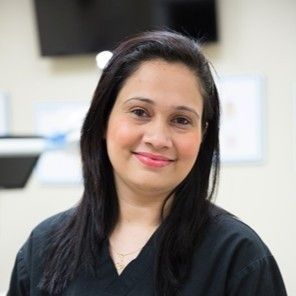
Dr. Deepika Verma
Dr. Deepika Verma is a dentist serving the DFW, TX community. A graduate of New York University with a residency at New York Hospital Queens, she is a member of the American Dental Association and is passionate about patient-first, lifelong dental health.
Connect with Dr. Deepika Verma
Picking a family dentistry practice in North Richland Hills, TX shouldn't feel like rolling the dice. With nearly a thousand dental providers within a short drive of the 76180 and 76182 ZIPs, the question isn't whether you have options; it's how to filter them down to one office that can handle your whole family for the next decade.
At Spark Dental, the focus is on combining modern dental care with a comfortable patient experience, which is exactly what many families now expect when comparing local practices. The post below focuses on the decision itself: what to verify, what to ask, what should make you walk away, and how to weigh price against quality.
Start With Credentials, Not Marketing
Every dental website looks polished. Awards, smiling stock families, and "voted best of" badges tell you almost nothing about clinical quality. Before you book, verify the basics on neutral ground.
- License status. Confirm the dentist's active license through the Texas State Board of Dental Examiners and check for any disciplinary history.
- Professional affiliations. Look for membership in the American Dental Association, the Academy of General Dentistry, or specialty bodies like the American Academy of Implant Dentistry. These signal ongoing continuing education.
- Years in practice. A dentist in practice for 20 years has seen every recall and complication you might run into. Newer dentists can be excellent too, but ask who supervises complex cases.
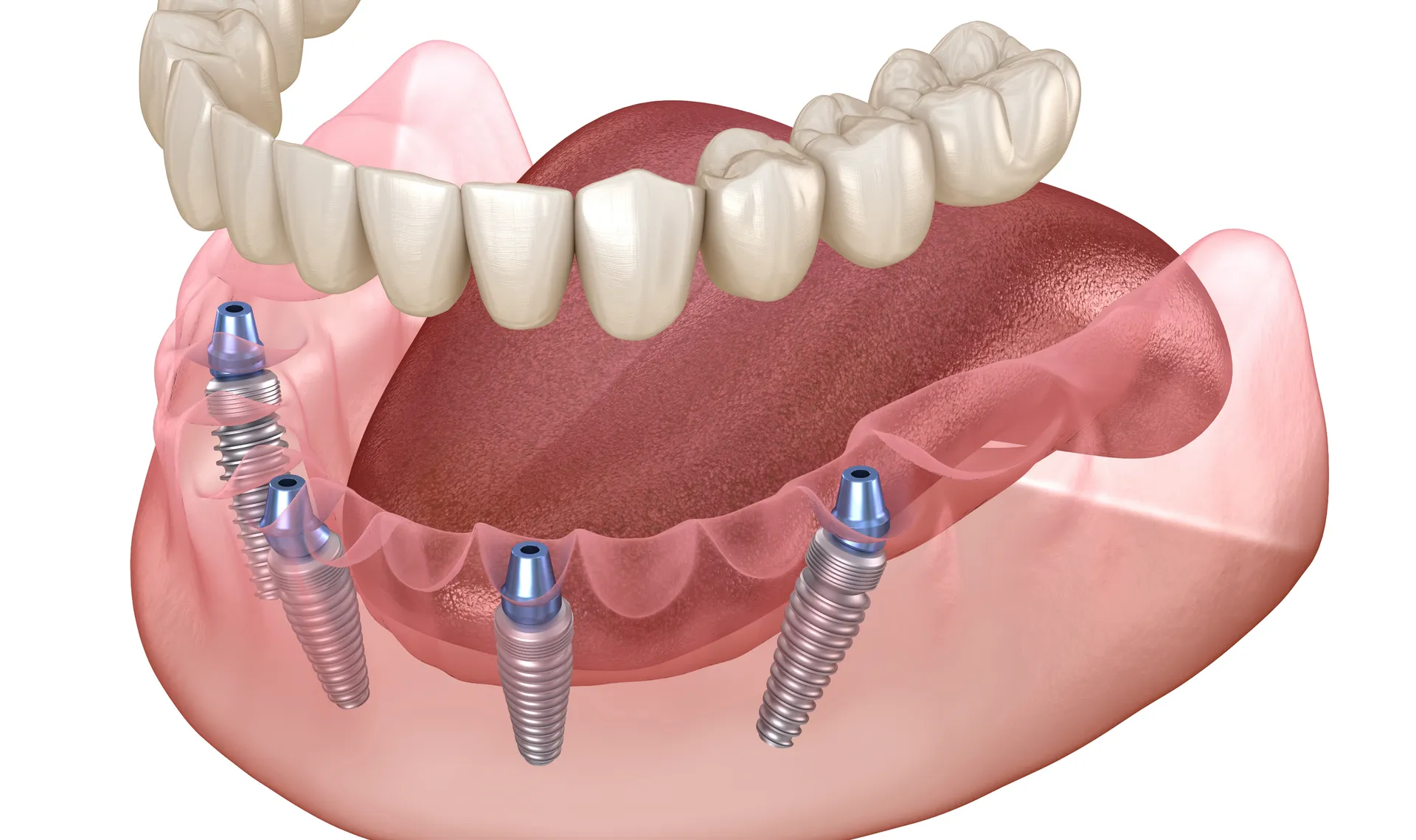
- Advanced training. If you anticipate Invisalign, implants, or full-mouth restoration, look for documented training in those specific procedures.
A reputable dentist in North Richland Hills, Texas, will share this information openly the moment you ask. Hesitation is itself an answer.
Match the Scope of Services to Your Family's Real Needs
Households evolve. The two-year-old getting her first cleaning today will need orthodontic screening in five years and possibly wisdom-tooth evaluation in fifteen. A grandparent visiting on holidays may need an implant consult or denture reline. At Spark Dental, we believe family dentistry should adapt to every stage of life, making it easier for patients to stay with one trusted dental team instead of constantly switching providers as needs change.
Map your household against the services you'll actually use over the next five to ten years. If three of those needs require an outside referral, you're choosing a screening station, not a dental home. Strong oral dentistry in North Richland Hills means one team that can take a child from her first visit through teen orthodontics and beyond, without forcing her to start over at every life stage.
Insurance, Cost Transparency, and Membership Plans
Cost is where most family dental decisions go wrong. People pick the cheapest cleaning fee, then get blindsided by what isn't covered.
Verify Insurance Participation Directly
An office that says "we accept your insurance" is not the same as an in-network provider. In-network status determines what you owe. Confirm in-network status with your specific plan, not just the carrier name, and verify it with your insurer too.
Ask for a Written Treatment Plan
Any treatment beyond a cleaning should come with an itemized estimate showing the procedure code, the practice's fee, the insurance allowance, and your out-of-pocket expense. If a practice resists putting numbers on paper, that's the answer.
Understand Membership Plan Math
Many North Richland Hills practices offer in-house membership plans for uninsured patients, typically $30 to $40 per month per adult. Run the math: two cleanings, one set of X-rays, and roughly 15% to 20% off other services. For a family of four with no dental coverage, a membership often beats a marketplace plan with a deductible and waiting periods.
Comfort, Technology, and Communication Style
Clinical skill matters most, but it doesn't survive a child who refuses to open her mouth or a spouse who hasn't been to a dentist in eight years. The way a practice communicates is part of the care.
- Behavior guidance. Tell-show-do for kids, calm explanations for adults, and an offer of nitrous oxide or oral sedation for nervous patients. Anxiety isn't a weakness, and good practice doesn't treat it that way.
- Modern imaging. Digital X-rays cut radiation by roughly 80% compared to film. Intraoral cameras let you see what the dentist sees, turning treatment decisions into collaboration. 3D cone-beam imaging is the standard of care for implant planning.
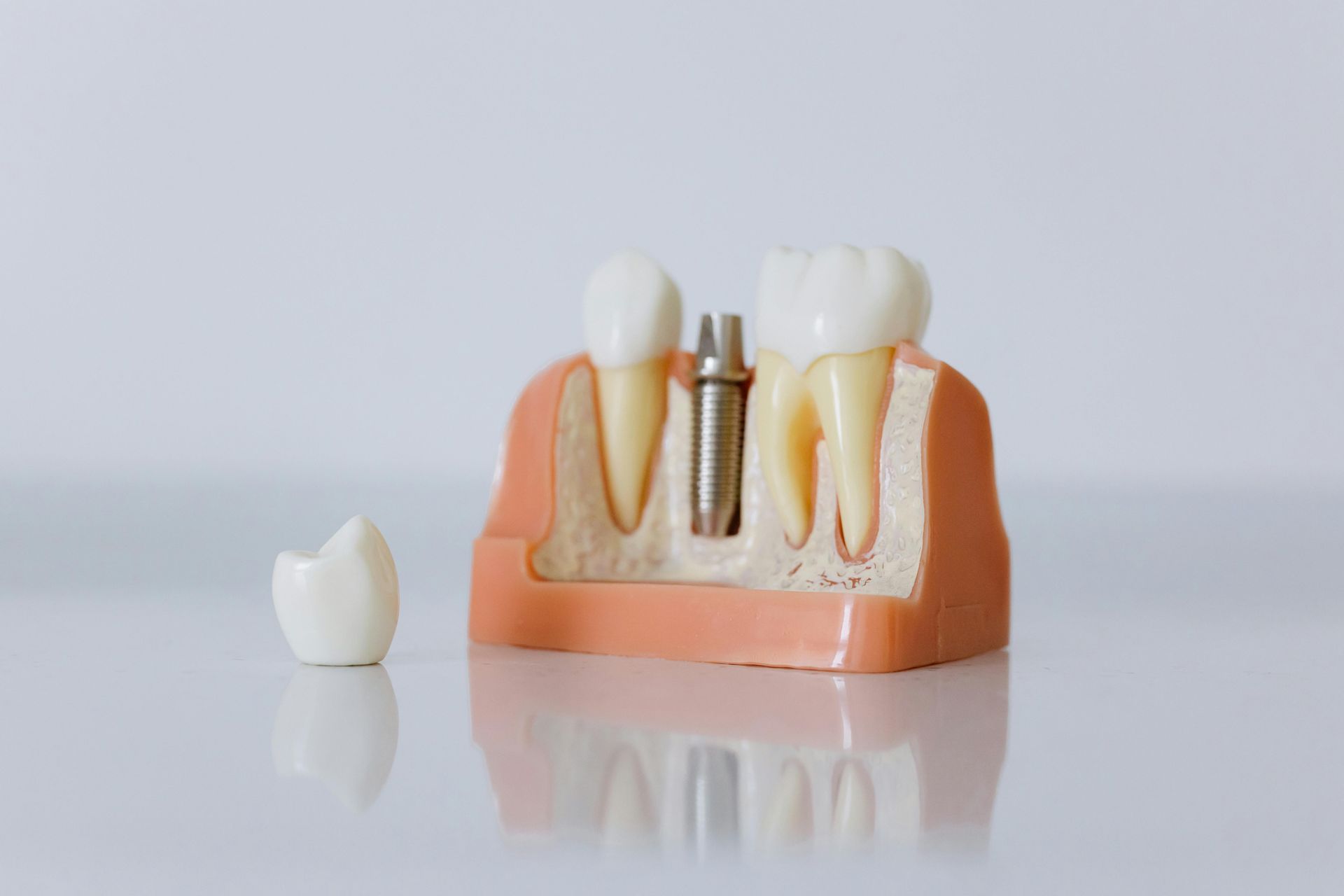
- Same-day technology. CEREC and similar same-day crown systems eliminate the temporary crown step and the second visit, which matters for working parents.
- Multilingual capacity. Spanish-speaking staff matters in a city where roughly 12% of residents are foreign-born. Confirm availability for the appointment you're actually booking, not just on paper.
Pay attention to how the office handles your initial phone call. At Spark Dental, we believe the patient experience begins long before anyone sits in the dental chair. The energy you experience as a prospective patient is roughly the energy you'll experience as an established one.
Scheduling, Location, and Emergency Access
Even the best practice fails you if you can't get into the chair.
Family Block Scheduling
Ask whether the office can see multiple family members back-to-back in a single visit. Practices set up for families build this into the template. Those that aren't will route you to four separate appointments across two weeks, which adds up to roughly 20 hours per year for a family of four.
Drive Time and Real-World Access
Twelve minutes on a map at 10 a.m. becomes 25 minutes at 4:30 p.m. between Davis Boulevard, Mid-Cities Boulevard, and Loop 820 traffic. Test the actual commute at your most likely appointment time before you commit. Most family practices serving NRH also pull from Hurst, Bedford, Watauga, Haltom City, and North Fort Worth, so location relative to the broader corridor matters.
After-Hours Coverage
Dental emergencies don't happen on a schedule. Verify what after-hours actually means at the practice you're considering. A voicemail directing you to the emergency room is not after-hours coverage. A direct line to the dentist on call, or true 24/7 contact, is.
Red Flags Worth Walking Away From
Some warning signs are obvious. Others hide behind friendly front-desk staff and a clean waiting room.
- Same-day pressure. Pressure to start treatment the same day for non-emergency work, especially expensive elective procedures presented as urgent.
- Cost opacity. Refusal to provide written estimates, vague answers about insurance breakdowns, or a habit of "finding" additional work that wasn't flagged previously.
- Poor communication. If you ask three follow-up questions and the dentist seems annoyed, that pattern won't improve when something goes wrong.
- High staff turnover. Heavy churn at the front desk and among hygienists usually reflects something deeper. Long-tenured staff tend to work in practices that treat people well.
Making the Final Decision
Schedule consultations with two or three practices that survive the credential, scope, and cost screens above. Bring your list of questions; watch how the team interacts with you and your kids; and notice the small things: cleanliness of operatories, timeliness of being seated, and willingness of staff to slow down and explain.
The right family dentistry practice in North Richland Hills is the one that earns your confidence on visit one and continues earning it on visit ten. Use the framework, trust your gut, and don't settle for half the boxes checked.
When you're ready to compare options, start with a practice that handles every age and most procedures in-house. Spark Dental in North Richland Hills serves families across NRH, Hurst, Bedford, Haltom City, Watauga, and Colleyville with comprehensive general, cosmetic, and restorative care, plus 24/7 emergency access. Request an appointment online or call to schedule a consultation today.
Frequently Asked Questions
How do I verify a dentist's credentials in Texas?
Search the Texas State Board of Dental Examiners license lookup. You'll see active license status, license number, and any public disciplinary history. Cross-check membership in the ADA or AGD on those organizations' member directories.
Should I pick a family dentist or take everyone to specialists?
For most families, a single general practice handles 90% of care for every age, with referrals to a periodontist, oral surgeon, or pediatric specialist for the small minority of cases that warrant it. The convenience and continuity of one office almost always outweighs splitting visits.
What does "in-network" actually mean for my insurance?
An in-network dentist has agreed to your insurer's negotiated fees, so your out-of-pocket is lower and predictable. Out-of-network dentists may still be covered, but you'll typically pay the difference.
How long should a new-patient exam take?
Plan on 60 to 90 minutes. A thorough first visit includes a full set of X-rays, periodontal charting, an oral cancer screening, an exam by the dentist, and a discussion of any findings. Anything significantly shorter is a screening, not a comprehensive exam.
What's the warning sign that I should switch dentists?
Recurring billing surprises, treatment recommendations that change visit to visit, dismissiveness about anxiety or questions, and pressure tactics around expensive elective work. The dentist works for you, not the other way around.