Where to Get Emergency Dental Treatment After Hours in North Richland Hills, TX
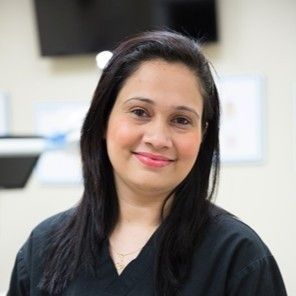
Dr. Deepika Verma
Dr. Deepika Verma is a dentist serving the DFW, TX community. A graduate of New York University with a residency at New York Hospital Queens, she is a member of the American Dental Association and is passionate about patient-first, lifelong dental health.
Connect with Dr. Deepika Verma
Picking a family dentistry practice in North Richland Hills, TX, feels deceptively simple until you actually try it. A quick search returns dozens of offices, most of them claiming the same things: "gentle care," "family friendly," and "state-of-the-art technology." The words start to blur. So how do you actually tell them apart before you hand over your insurance card and book three cleanings?
This guide walks through the criteria that actually matter when choosing oral dentistry in North Richland Hills: credentials, comfort, technology, scheduling, and the quieter signals that separate a real long-term dental home from a revolving-door practice.
Why Choosing Carefully Matters More Than You Think
The stakes are higher than a single cleaning. Dental practices retain only about 41% of their patients on average, which tells you most people pick wrong the first time and quietly leave. Add in the fact that roughly 72.6% of U.S. adults report some degree of dental fear, with 26.8% reporting severe fear, and it becomes obvious: finding a practice you actually want to return to every six months is not a nice-to-have. It is the whole point.
North Richland Hills also gives you an unusually deep bench to choose from. As a dentist in North Richland Hills, Texas, you're practicing in a suburb that U.S. News & World Report ranked
#64 nationally and #19 in Texas on its 2025-2026 Best Places to Live list, with a population of 72,007 and steady growth. That density of households means plenty of practices compete for your family, which is good news for you if you know what to look for.
Start With Credentials (They're Not All Equal)
Before you evaluate anything else, verify the basics. The American Dental Association recommends checking a few things that most patients skip:
License status in Texas. Every dentist should hold an active Texas State Board of Dental Examiners license. Lookup takes 60 seconds on the board's website.
ADA membership. Not mandatory, but ADA members commit to a code of ethics and ongoing continuing education.
Continuing education. Ask directly: "What CE courses has the team completed in the past two years?" A practice investing in modern implant, Invisalign, or sedation training will answer fast. One that hesitates probably isn't investing.
Malpractice history. Public records searches are free. Worth ten minutes before you commit.
For anything beyond general dentistry, look for additional residency training. Pediatric specialists complete two to three extra years focused on child behavior and growth. Prosthodontists, endodontists, and oral surgeons each complete their own post-doctoral training. A general family dentist can handle most of what your household needs, but you want to know when and where they refer out.|
Match the Practice to Your Family's Actual Needs
Most families in North Richland Hills need more than cleanings. Between kids, teens, and aging parents under one roof, a practice's service mix has to stretch. Run through this filter before you book:
Age range. Some offices see infants; others start at 3 or 4. If you have a one-year-old due for a first visit, confirm before calling.
In-house vs. referral scope. Does the practice do root canals, crowns, Invisalign, and implants in-house, or does every complex case mean driving to another office?
Emergency access. Chipped teeth, abscesses, and lost crowns don't wait until Monday morning. Ask about after-hours contact before you need it.
Sedation options. Important if anyone in your household has dental anxiety or needs longer procedures.
For the full breakdown of what family dental services look like in NRH, including which categories most local practices cover, our pillar guide on dental care services available for families in North Richland Hills walks through every category with service-by-service detail.
Evaluate the Technology (But Don't Be Dazzled by It)
Digital tools matter. but only when they translate to faster, more comfortable, more accurate care. What to look for in 2026.
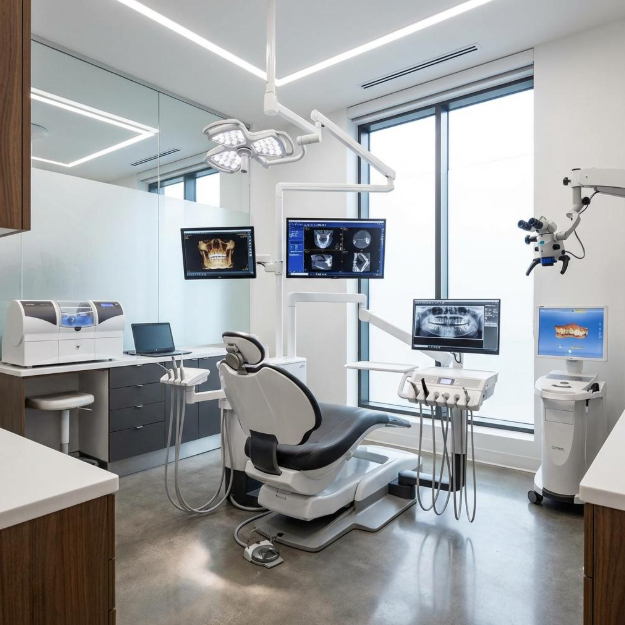
Digital X-rays and intraoral cameras. Standard in any modern NRH practice. Lower radiation, instant images, and you see what the dentist sees.
3D cone-beam CT imaging. Essential for implant planning and complex extractions. Not every general practice has one, which is fine as long as they partner with someone who does.
Same-day CEREC crowns. Milled in-office in one visit instead of two. A quality-of-life difference worth asking about.
Digital impression scanners. No more goopy trays for Invisalign, crowns, or retainers.
Technology that isn't used well is just expensive furniture. During a consultation, watch how the team explains what the tools actually do for you, not what brand they bought.
Logistics That Actually Determine Whether You Keep Going
Every family dentistry practice in North Richland Hills can print glossy brochures. Fewer can make it easy for a working parent with three kids to actually show up twice a year. These are the practical filters that decide whether you stay:
Scheduling windows. Early morning slots (7:00-8:00 a.m.), after-school blocks (3:00-5:00 p.m.), and Saturday availability let you stack family members into one trip.
Location relative to your routine. Proximity to the Birdville or Keller ISD schools, your workplace, and Loop 820 matters more than a few stars on Google. Saving 15 minutes of driving each way is what makes six-month recalls actually happen.
Insurance handling. Confirm in-network status with your specific PPO plan before the first visit. Practices that submit claims for you, rather than making you fight the paperwork, save hours over a year.
Membership plan availability. For uninsured families, membership plans push patient retention from under 50% to roughly 90% because they
make predictable care affordable. If a practice offers one, it's a signal they plan for long-term relationships.
Comfort, Communication, and the Gut-Check Factor
Credentials and technology get you in the door. The team's communication style determines whether you stay for a decade or quietly switch practices after one bad cleaning. Pay attention to:
How they talk about treatment. Does the dentist explain options and let you choose, or push you toward the most expensive plan before you've even sat up from the chair?
How they handle anxious patients. Given that roughly 1 in 5 anxious patients avoid the dentist altogether, practices skilled with nervous kids and adults are measurably better at keeping families healthy.
How the front desk behaves under stress. A rescheduling request, an insurance question, or an emergency call at 4:55 p.m. on a Friday: how they handle the small friction tells you everything about the big friction.
Consistency of provider. Rotating associates make it hard to build a real dental relationship. Smaller practices with a single primary dentist offer continuity that group practices often can't.
If possible, schedule a meet-and-greet or consultation before your first cleaning. The ADA specifically recommends this because it lets you evaluate the fit with zero commitment.
Red Flags to Watch For
A few signals that a practice probably isn't worth committing to:
Pressure to commit to expensive treatment plans at the first visit. Second opinions exist for a reason. A good dentist welcomes them.
Vague answers on pricing. Any practice should give you a written treatment plan with fees before work starts.
No after-hours emergency contact. If something cracks or falls out on a Sunday, you want someone who answers.
No clear age range policy. "We see everyone" without specifics often means they're not set up well for any specific group.
Consistently negative themes in reviews. One angry review is noise. Ten reviews citing the same billing issue or the same rushed appointment is a signal.
Frequently Asked Questions
How long should it take to choose a family dentist in North Richland Hills?
Plan on about a week of light homework rather than a single afternoon. Verifying licenses, reading reviews across two or three platforms (Google, Healthgrades, Yelp), calling two or three practices with a short list of questions, and ideally visiting one in person takes roughly four to six hours total. That investment pays off over the next decade of twice-yearly visits, so rushing it to save an hour usually costs you later.
Should I pick a practice in-network with my insurance or prioritize fit?
Start in-network if you can, because out-of-pocket costs on routine care (cleanings, X-rays, fillings) drop significantly when your PPO has a negotiated rate with the practice. But don't stop there. If the closest in-network option has a pattern of rushed appointments or poor communication, the "savings" disappear the first time you switch practices mid-treatment. The ideal is in-network plus good fit; when forced to choose, most families do better picking the practice they trust and negotiating payment.
How do I evaluate a family dentist if I have serious dental anxiety?
Call ahead and describe your anxiety directly before you book. A practice used to anxious patients will have an immediate, specific answer (nitrous oxide availability, longer appointment blocks, tell-show-do communication, noise-canceling headphones, and written treatment previews). If you get a vague "don't worry, we're gentle" response, keep calling. Also ask whether the same hygienist and dentist will see you each visit. Given that dental fear affects a majority of U.S. adults, continuity of provider is one of the strongest predictors of whether you'll actually show up for recall appointments.
Is it worth switching dentists if my current practice is "fine"?
"Fine" is often the problem. Patients who would describe their dentist as "fine" or "okay" tend to skip recalls, delay recommended treatment, and eventually drift away without ever being unhappy enough to complain. If you're not actively glad to book your next visit, that's a signal worth taking seriously. Consolidating the whole family at one practice actively compounds over years into better oral health and fewer emergency problems.
How many practices should I actually consider before choosing?
Two or three is the sweet spot for most families. One is too few (you have no comparison). Five or more turns into analysis paralysis, and the differences between the best three options on your list are usually small enough that your gut read during a consultation will tell you more than another round of research. Narrow to a short list using credentials, location, and in-network status, then let the consultation visits decide.
Making the Final Call
The right family dentistry practice in North Richland Hills isn't the one with the flashiest website or the cheapest new-patient special. It's the one where credentials, services, technology, logistics, and communication all line up with your family's actual life. When those five things work together, twice-a-year visits stop feeling like a chore and start feeling like maintenance on something you've already invested in.
At Spark Dental, every new-patient call starts with a conversation, not a sales pitch. Dr. Deepika Verma and the team serve families across North Richland Hills, Hurst, Bedford, Watauga, Haltom City, and the surrounding Mid-Cities. To see if Spark Dental is the right fit for your household, request an appointment online or call to schedule a no-pressure consultation.
Click To Paste
Click To Paste
Click To Paste
Click To Paste