What Makes Quality Dental Care in North Richland Hills Stand Out
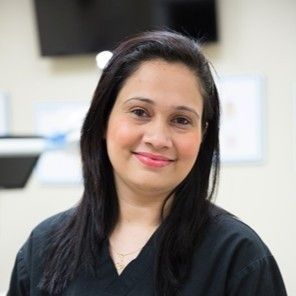
Dr. Deepika Verma
Dr. Deepika Verma is a dentist serving the DFW, TX community. A graduate of New York University with a residency at New York Hospital Queens, she is a member of the American Dental Association and is passionate about patient-first, lifelong dental health.
Connect with Dr. Deepika Verma
Oral health impacts more than just a smile, yet many feel unsure about where to find reliable care. This uncertainty can lead to delays in treatment, with about 39% of patients delaying dental visits due to confusion about treatment options.
At Spark Dental, we aim to bridge that gap by providing dental care in North Richland focused on comfort, clarity, and lasting oral health. This guide highlights what constitutes high-quality treatment and emphasizes the importance of a patient-centered approach. If you seek care that prioritizes your long-term well-being, you're in the right place.
What Sets Quality Dental Care in North Richland Hills Apart
Reliable dental care begins with consistency, clear communication, and a clinical process that adapts to each individual's needs. We take a comprehensive approach that considers immediate concerns and long-term function, allowing us to plan care with precision rather than react to problems after they develop. This proactive approach aligns with the fact that preventive-focused patients typically experience 30–40% fewer primary restorative needs over 5 years.
A Preventive Foundation That Supports Lifelong Oral Health
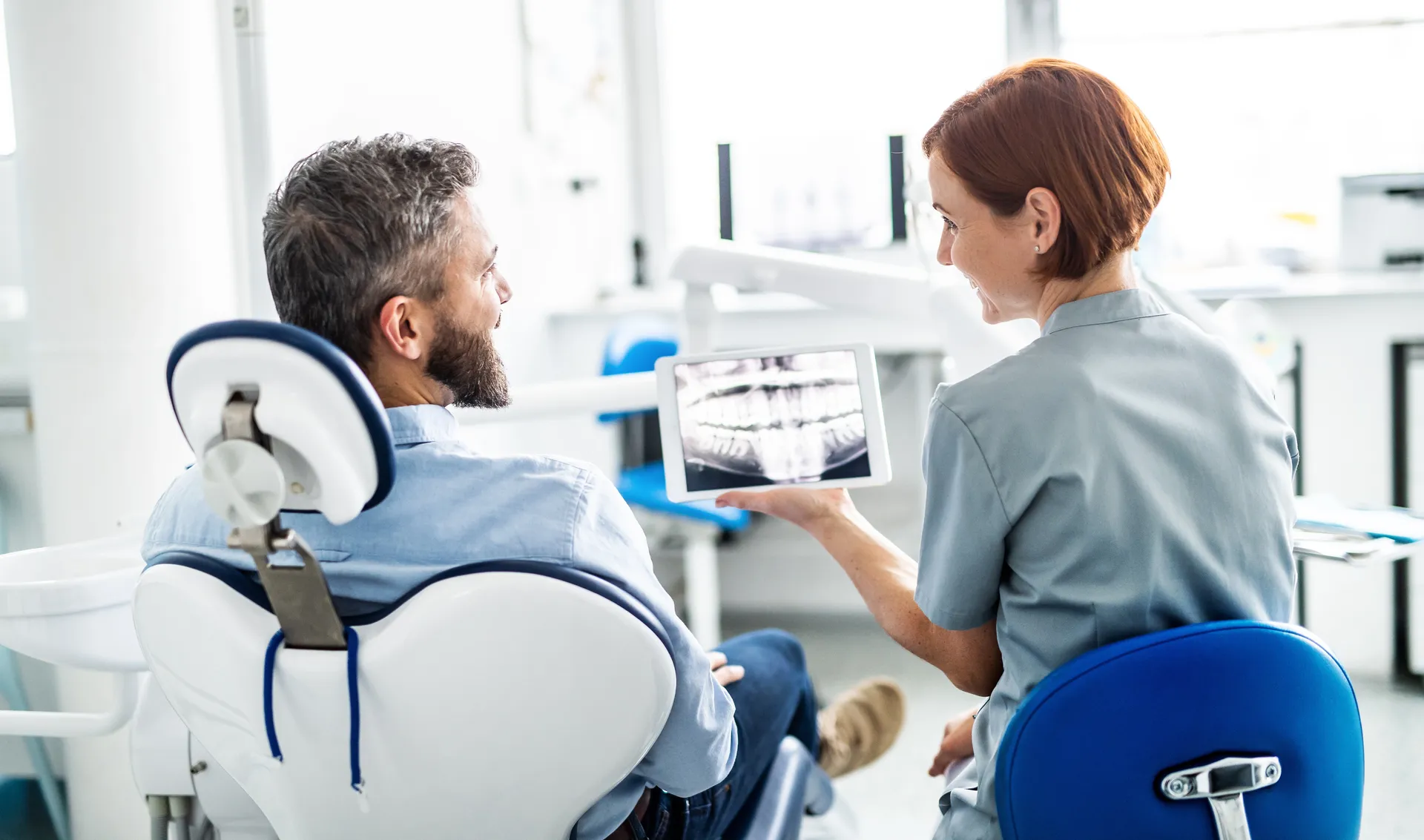
Preventive care is the core of everything we do. Regular exams and cleanings allow us to identify issues early and guide patients through habits that support long-term oral comfort.
Our approach includes:
- Thorough exams that assess gum health and tooth stability
- Cleanings aimed at helping reduce buildup and inflammation
- Patient-specific recommendations to support daily routines
Preventive care doesn't eliminate every problem, but it often helps keep treatments smaller, more manageable, and less disruptive. Nationally, early detection of issues costs patients an estimated 60–70% less over the treatment lifespan, reinforcing the value of intervention before symptoms worsen.
Personalized Care Planning With Clear Explanations
One thing patients mention often is the value of understanding their treatment. We explain what we see, why it matters, and how each option fits into a long-term plan. Clear communication reduces stress and helps patients make decisions that reflect their comfort level, goals, and budget. This is especially important given that nearly half of dental anxiety cases stem from uncertainty rather than the procedures themselves.
This includes walking through:
- Treatment timelines
- Potential alternatives
- Expected outcomes (without absolute promises)
- Transparent cost breakdowns
Patients deserve clarity, and we make that a priority in every visit.
The Role of Restorative Dentistry in Modern Care
Every day life places demands on teeth: chewing, grinding, aging, and environmental factors. When damage occurs, restorative treatment may help bring back function and comfort. Data shows that timely restorative work can reduce future complications by up to 45% compared to delayed treatment.
Root Canals and Crowns That Support Comfort and Longevity
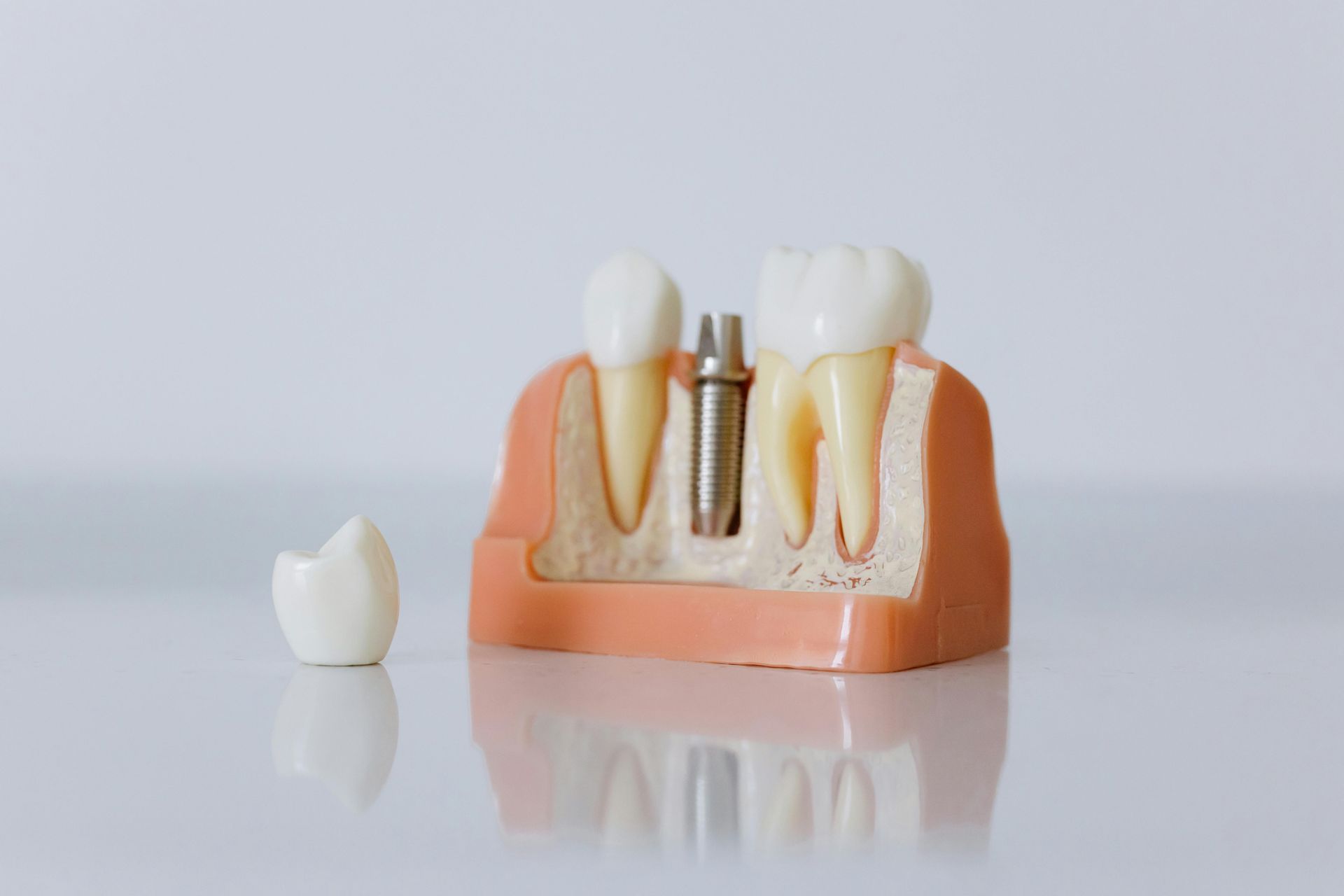
Root canals may help save natural teeth by removing infection and stabilizing the remaining structure. We pair this with crowns designed to reinforce durability, which can help reduce the likelihood of future complications.
Crowns may support:
- Cracked or fractured teeth
- Large fillings that weaken the structure
- Teeth treated with root canals
- Restorations that require stronger reinforcement
We focus on materials and techniques that offer predictable results while supporting natural chewing function. Modern crown materials have an average 10-year survival rate of 94%+, contributing to long-term stability.
Dentures and Tooth Replacement Options
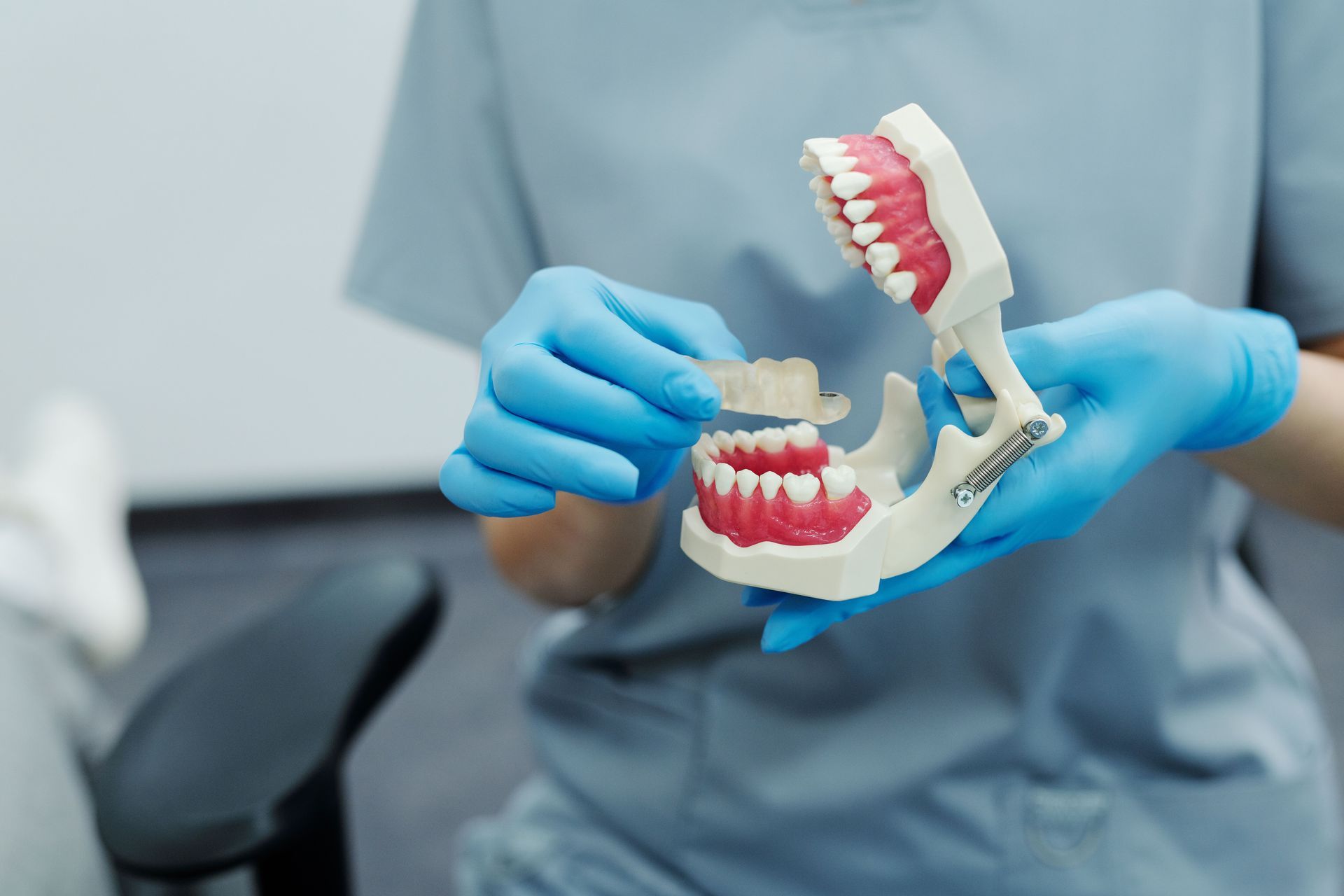
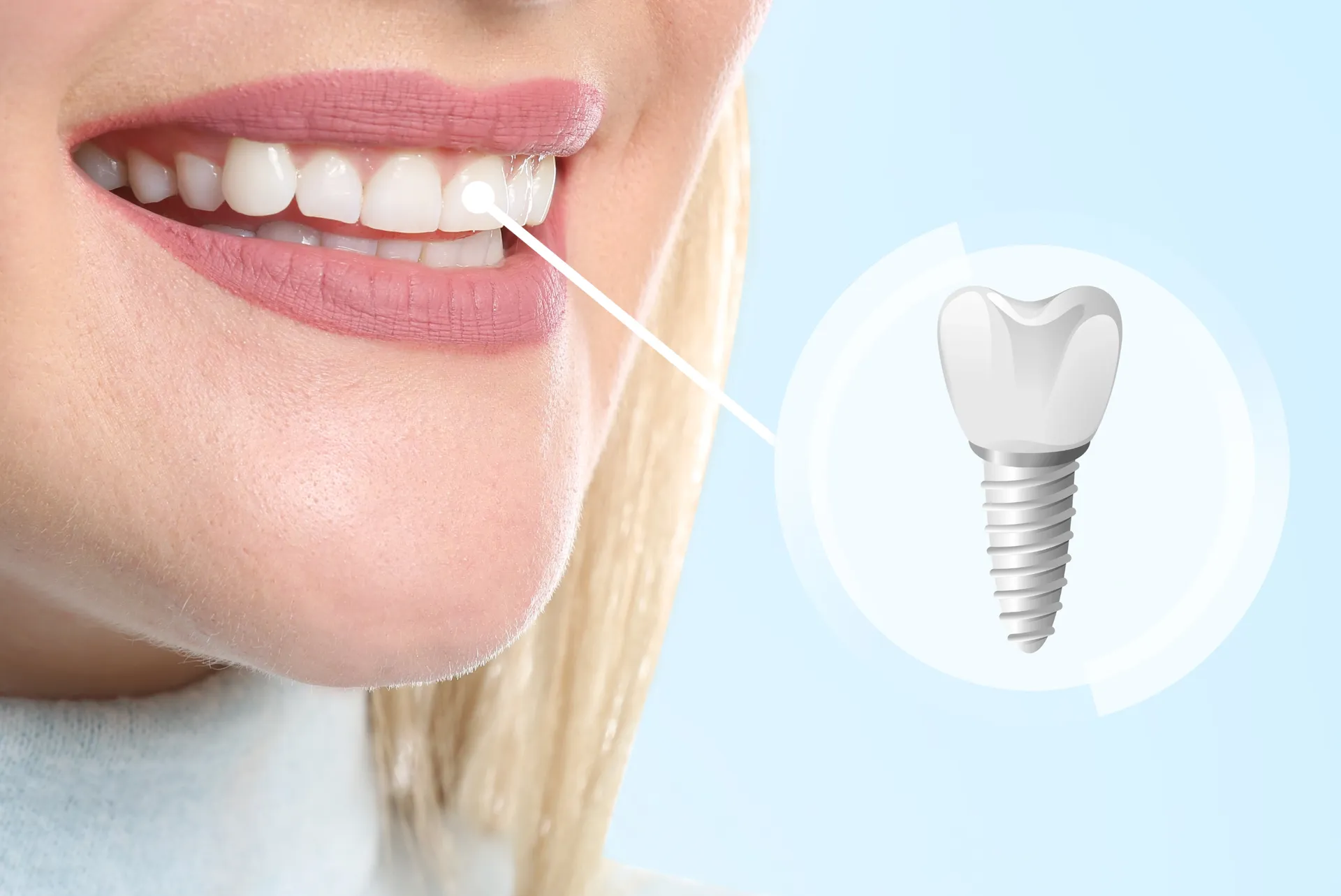
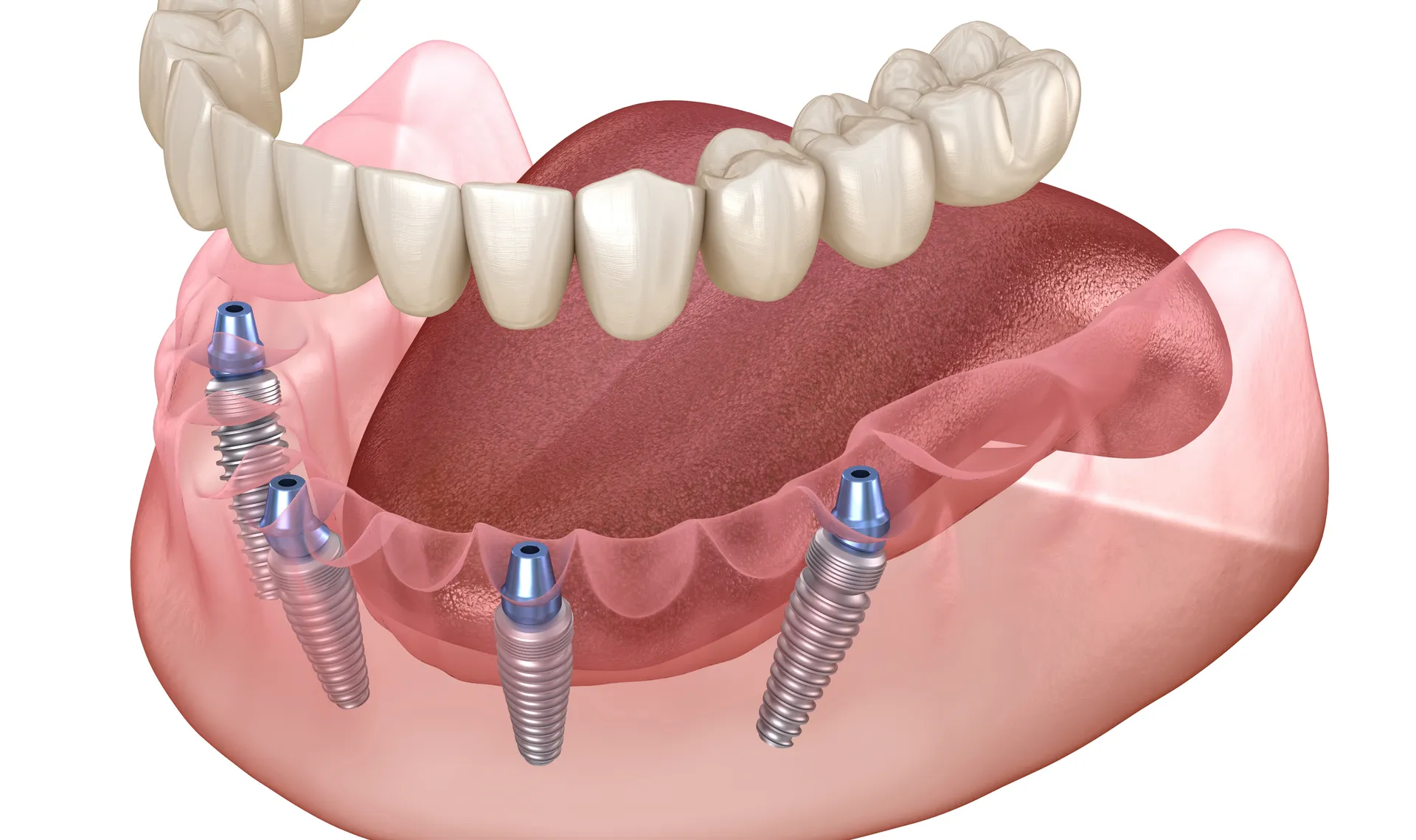
Tooth loss affects chewing, speech, and confidence. We offer dentures and other replacement solutions designed to restore daily function in ways patients find manageable and comfortable. With nearly 19% of adults over 65 experiencing significant tooth loss in Washington state, accessible replacement options remain essential.
Treatment plans are shaped around:
- Facial structure
- Bite alignment
- Comfort during daily wear
- Aesthetic goals
Results vary from person to person, but a thoughtful process can make a meaningful difference in quality of life.
Cosmetic Options That Support Confidence
Cosmetic dentistry isn't only about appearance. Many patients choose these treatments because a comfortable, balanced smile can influence how they interact socially and professionally. Cosmetic procedures have grown approximately 8–10% annually nationwide, reflecting increasing patient interest.
Teeth Whitening, Bonding, and Veneer Options
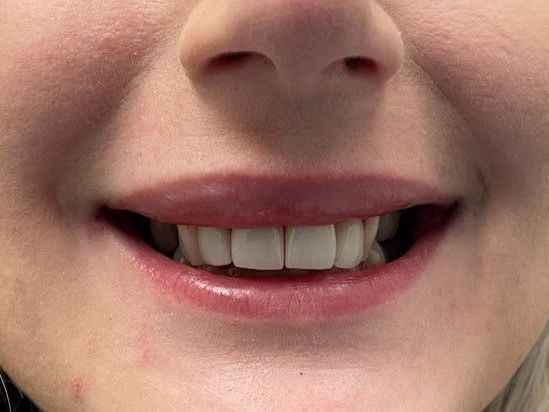
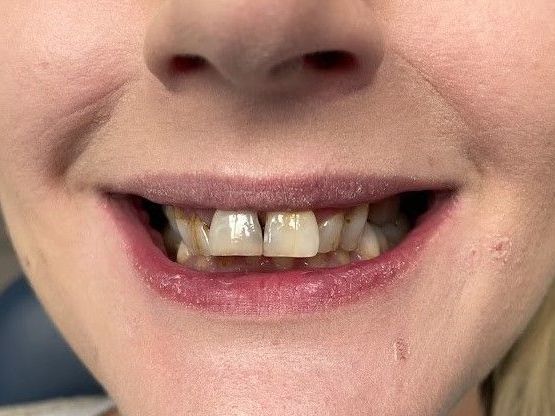
Cosmetic treatments may help reduce the appearance of discoloration, chips, or gaps. We tailor these solutions to each patient, focusing on a natural look that aligns with their goals.
These services may include:
- Whitening methods suited to sensitivity levels
- Bonding to reshape minor imperfections
- Veneers for broader aesthetic adjustments
We take a conservative approach, recommending treatment only when it supports structure and long-term comfort.
Orthodontic Care With Modern Convenience
Misalignment affects chewing, gum health, and overall comfort. Invisalign® gives patients a pathway toward straighter teeth without brackets or wires. Clear aligner use has increased more than 30% over the past decade due to patient preference for discreet treatment.
Why Many Patients Choose Invisalign®
Patients often appreciate that Invisalign may allow them to:
- Remove aligners during meals
- Clean teeth normally
- Maintain a less noticeable treatment appearance
We map a customized plan that adjusts aligners over time. Outcomes depend on consistency and case complexity, but many patients appreciate the flexibility of this method.
Emergency Dental Care for Unexpected Problems
Dental pain or sudden damage can disrupt daily life. Our emergency appointments help address urgent needs so patients can return to their daily routines as soon as possible. Emergency visits account for roughly 12% of dental appointments nationwide, underscoring how common unexpected issues are.
Common concerns include:
- Severe tooth pain
- Broken or knocked-out teeth
- Infections
- Lost fillings or crowns
Immediate evaluation often helps limit further complications.
Why the Patient Experience Matters as Much as Treatment
Dental care is more than procedures. Many people carry anxiety or past negative experiences that shape how they approach future visits. We designed our environment to support comfort, communication, and a calm atmosphere from the moment patients walk in. Studies show that a positive first impression increases long-term patient retention by up to 35%.
A Practice Built on Transparency and Trust
We speak directly, explain clearly, and keep patients involved in every decision. Trust grows from honesty, not pressure, and we believe patients should never feel rushed or uncertain about their care plan.
A Team That Understands Patient Concerns
Many individuals experience apprehension about dental treatment. We recognize this and guide care with patience and attentiveness. Creating a supportive environment helps patients stay consistent with treatment and preventive care. This matters because patients with dental anxiety are statistically 2–3 times more likely to postpone needed care unless supported through positive communication.
Dental Care in North Richland Hills Stands Out Because It Puts People First
Quality dental care in north Richland hills stands out when skill, communication, and patient comfort come together in a meaningful way. Our team at Spark Dental cares deeply about long-term oral health, and we structure every appointment around clear explanations, practical treatment options, and an approach shaped to each patient's comfort level.
If you're looking for care that supports your overall well-being and provides a thoughtful path toward healthier teeth, we're here to help. Reach out to schedule an appointment and take the next step toward steady, dependable oral care.
Frequently Asked Questions
1. What makes dental care in north Richland Hills feel different at Spark Dental?
Patients often share that what stands out at Spark Dental is our focus on comfort, communication, and long-term oral health. We take the time to understand each person's concerns and goals, creating visits that feel calm, clear, and personalized. Many families say this approach makes ongoing care much easier to maintain.
2. How often should my family schedule routine dental visits with Spark Dental?
Most individuals benefit from a cleaning and exam every six months. These visits help us monitor oral health, support preventive care, and address issues early. When someone needs closer monitoring, such as for gum health or previous dental work, we adjust the schedule to best fit their needs.
3. How does Spark Dental support patients who feel anxious about treatment?
Dental anxiety is common, and we see many patients in north Richland hills who feel nervous about appointments. We explain each step clearly, move at a comfortable pace, and create a reassuring environment that helps reduce stress. Our goal is to help each patient feel safe and supported throughout their visit.
4. What types of services do families in north Richland hills usually receive at Spark Dental?
We provide preventive care, restorative treatments, cosmetic options, Invisalign®, dentures, and support for damaged or painful teeth. Families appreciate having everything in one place, and we tailor care plans based on medical history, comfort level, lifestyle, and long-term oral health goals.
5. When should I contact Spark Dental for urgent care?
If you're experiencing significant discomfort, swelling, a broken tooth, or anything that interrupts your day, it's best to reach out promptly. Urgent concerns rarely improve without care, and timely attention can help prevent more involved treatment later. We do our best to accommodate urgent visits so patients can get relief quickly.